
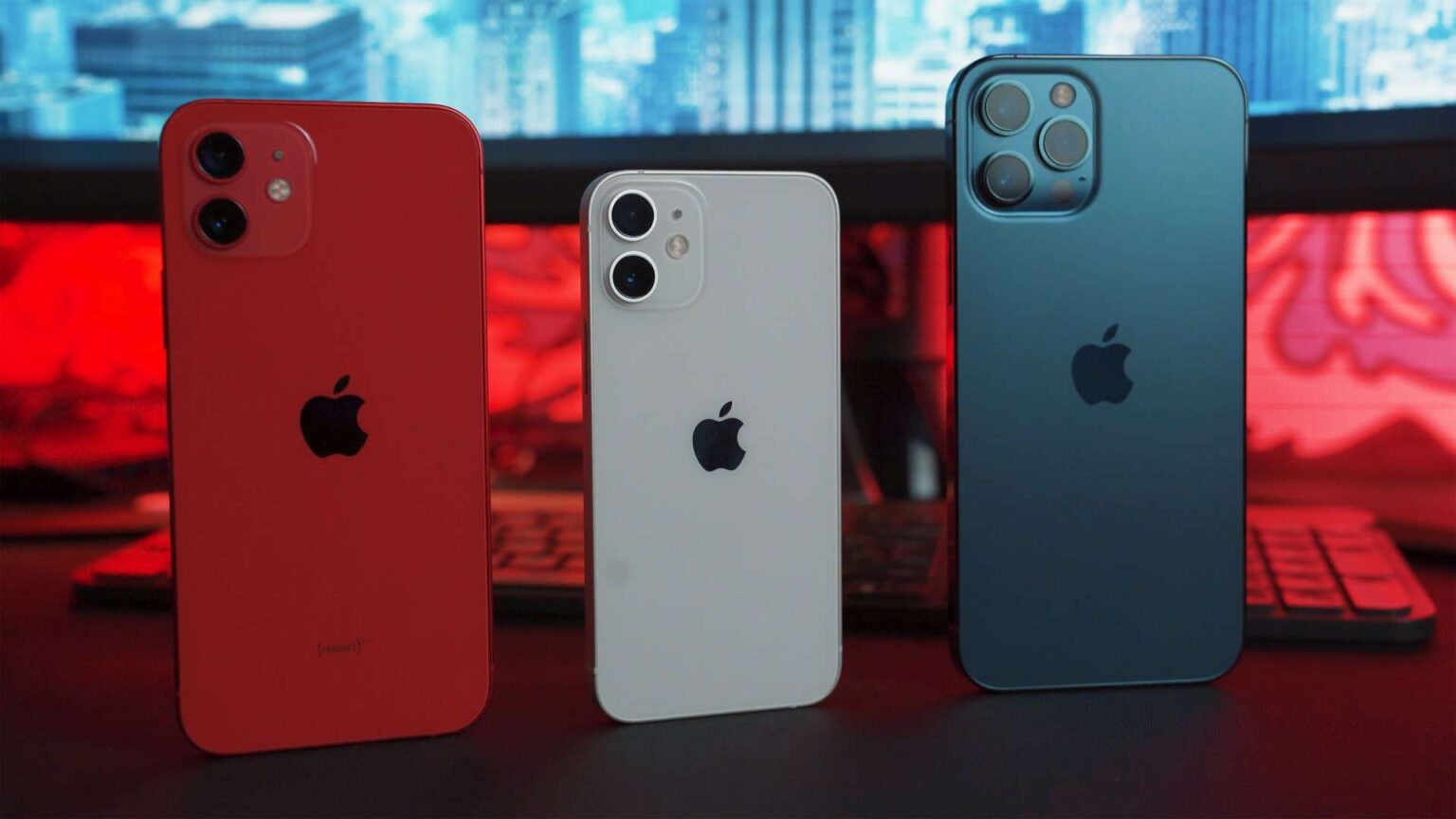
Global smartphone production reached 275 million units in the second quarter of 2026, down 8% year-on-year, though the result beat TrendForce’s expectations. Samsung and Apple were the only two exceptions among the six top makers, posting year-on-year growth of 7% and 14% respectively, while Xiaomi, OPPO, vivo, and Transsion all posted double-digit declines.
Smartphone market key facts in 20 seconds
- Global production fell 8% year-on-year in the second quarter, to 275 million phones.
- Samsung kept the lead with 62 million units, while Apple made 52 million.
- Xiaomi suffered the group’s steepest drop, down 32% year-on-year.
- TrendForce raised its 2026 forecast to 1.07 billion units.
- Part of the improvement comes from consumers buying early ahead of possible further price hikes.
The annual figure is still negative, but the consultancy has revised its forecasts because the decline is turning out to be less severe than expected. TrendForce previously expected around 1.05 billion smartphones to be manufactured during 2026. It has now raised that figure to 1.07 billion, which brings the projected annual decline down from 16% to 14%.
This isn’t, therefore, 20 million additional phones compared with 2025, but compared with the consultancy’s previous estimate.
The explanation behind this improvement doesn’t point to a structural market recovery yet, either. TrendForce identifies two temporary factors: consumers pulling forward their purchases out of fear of further price increases, and manufacturers that had cut their production plans too aggressively when memory prices began climbing.
Samsung Holds 23% of Production, Apple Reaches 19%
Samsung remains at the top of the global production rankings. The company made roughly 62 million smartphones during the second quarter, equivalent to 23% of the total.
That figure is down 1% from the immediately preceding quarter, but up 7% year-on-year.
TrendForce links part of that performance to the launch schedule for its new flagship models. Samsung is also increasingly turning to ODM (Original Design Manufacturer) partners for certain entry-level and mid-range phones.
This model lets a larger share of a device’s design and manufacturing be outsourced to third parties. According to the consultancy, Samsung is using it to offset rising memory costs and keep prices competitive in the segments where margins are thinnest.
Apple ranks second with roughly 52 million iPhones made and a 19% share.
Its output fell 13% versus the first quarter, a swing that should be read in light of Apple’s usual seasonal pattern. Compared with the same quarter a year earlier, the company grew 14%.
TrendForce attributes part of that performance to the pricing strategy behind the iPhone 17 lineup. The consultancy expects, however, that memory costs will make it hard to avoid price increases in the next generation.
The picture changes considerably from third place down.
| Manufacturer | Q2 2026 Production | QoQ | YoY | Share |
|---|---|---|---|---|
| Samsung | 62 million | -1% | +7% | 23% |
| Apple | 52 million | -13% | +14% | 19% |
| OPPO | 30 million | +3% | -17% | 11% |
| Xiaomi | 29 million | +8% | -32% | 10% |
| vivo | 21 million | -3% | -18% | 8% |
| Transsion | 20 million | 0% | -27% | 7% |
OPPO made about 30 million devices, down 17% year-on-year, while Xiaomi reached roughly 29 million despite a 32% drop versus the second quarter of 2025.
Xiaomi did manage to grow production 8% versus the immediately preceding quarter.
vivo ranks fifth with 21 million units, down 18% year-on-year, and Transsion closes out the group with about 20 million and a 27% decline.
It’s worth clarifying that TrendForce is measuring production, not final consumer sales. Manufacturing 62 million devices in a quarter doesn’t necessarily mean that same number was sold to users during that same period.
Huawei Pressures OPPO and vivo as Memory Costs Push Phone Prices Higher
The behavior of Chinese manufacturers also has some specific explanations.
According to TrendForce, OPPO, Xiaomi, and vivo have eased off strategies aimed at aggressively grabbing share and are paying more attention to protecting their positions without hurting profitability.
OPPO and vivo also have significant exposure to the Chinese market, where Huawei continues to apply competitive pressure.
Transsion faces a different problem. Its business is especially concentrated in budget and entry-level phones, precisely the segment where it’s hardest to absorb higher component costs without passing them on to consumers.
Memory has thus become one of the key variables in the 2026 smartphone market, a dynamic already visible in how rising component costs have hit the wider market and favored the same two brands.
A few extra dollars in components can be relatively easy to absorb in a €1,000 phone. In a device designed to compete on price in emerging markets, that same difference can significantly squeeze margins or force a higher final price.
TrendForce also notes that Transsion holds smaller inventories of memory bought earlier at lower prices than some of its competitors, which increases its exposure to the current price increases — a pattern also visible in Latin America, where memory-driven price hikes hit budget phones the hardest.
Fear of Further Price Hikes Is Pulling Purchases Forward
The most striking part of the report isn’t in the manufacturer rankings, but in the explanation for why forecasts have improved.
TrendForce is seeing consumers pull forward smartphone upgrades because they expect prices to keep rising.
The consultancy believes memory price increases could be passed on again to devices reaching the market during 2027.
For a buyer who was already planning to switch phones in the coming months, buying before another possible price increase can make sense. For the industry, however, this behavior creates a problem.
An early sale doesn’t necessarily create new demand. It may simply shift it from 2027 into 2026.
Something similar is happening with manufacturers. Some brands had cut their production forecasts especially aggressively in response to rising memory costs. As conditions partially stabilize, they’re recovering some of the volume they had previously cut.
Both effects explain why TrendForce has raised its annual forecast without suggesting that a genuine recovery has begun.
The consultancy now expects 1.07 billion smartphones produced in 2026, which would still represent a 14% contraction versus the previous year.
The risk shifts toward 2027.
If the effect of pulled-forward purchases fades and contract memory prices keep rising, manufacturers could simultaneously face higher costs and demand that has already used up part of its upgrade cycle early.
The differences between Samsung, Apple, and their competitors also show that the impact won’t be the same for every brand.
Apple has more room to operate in higher price segments. Samsung combines its premium lineup with a huge presence in mid-range and budget tiers and is increasingly turning to ODMs. Manufacturers like Transsion are far more exposed to price-sensitive consumers.
That’s why the 275 million smartphones made in the second quarter paint a less negative picture than expected, though it’s still too early to talk about a recovery.
The global market is still producing fewer phones than a year ago. What’s changed is the speed of the decline, and, somewhat paradoxically, part of that resilience comes precisely from consumers’ fear that buying their next smartphone will be even more expensive.
Frequently Asked Questions
How many smartphones were made in the second quarter of 2026?
TrendForce estimates global production at 275 million units, down 8% from the same period in 2025.
Which manufacturer produced the most smartphones in the second quarter of 2026?
Samsung led the market with about 62 million units and a 23% share. Apple came second with 52 million units and a 19% share.
Which phone brands fell the most during the quarter?
Year-on-year, Xiaomi posted the steepest drop among the six leading manufacturers at 32%, followed by Transsion at 27%, vivo at 18%, and OPPO at 17%.
Why is TrendForce raising its 2026 forecast if the market is still declining?
The consultancy points to purchases being pulled forward over fears of further price hikes, and to manufacturers recovering some of the production they had previously cut. TrendForce warns these factors are temporary and don’t yet represent a market recovery.
Sources:
- TrendForce, Early Purchases Lift 2026 Smartphone Production Above Expectations; Full-Year Forecast Raised to 1.07 Billion Units, September 8, 2026.