
TSMC heads into its next earnings report with three issues drawing most of the market’s attention: the impact of the AI investment cycle, how chip manufacturing prices are evolving, and progress on its major production projects, including capacity expansion in the United States. The Taiwanese company will have to offer fresh clues about demand for advanced nodes and about how long the current pace of AI-driven growth can last.
TSMC’s earnings: the key facts in 30 seconds
- Artificial intelligence remains the main focus of expectations around TSMC’s business.
- Manufacturing prices and margins on advanced processes will be another point the market watches closely.
- International capacity expansion, with Arizona as one of the most important projects, will shape future investment.
- The debate over a possible “AI supercycle” centers on how long spending on accelerators and infrastructure can be sustained.
- The earnings report will reveal TSMC’s outlook for the coming quarters.
Interest in TSMC’s numbers isn’t limited to its quarterly revenue. As the world’s leading contract chipmaker, its comments on orders, capacity and prices serve as a gauge for a major part of the semiconductor industry.
Artificial intelligence has especially reshaped the demand profile. The accelerators used to train and run models need advanced manufacturing processes and large amounts of memory and specialized packaging. Companies such as NVIDIA, AMD and other chip designers depend on a supply chain where TSMC holds a central position.
That’s why any shift in the company’s outlook can have consequences for the whole sector. If TSMC expects demand for AI chips to keep growing at a high rate, the market will look for signs that the current investment from major tech operators still has room to run. If, on the other hand, signs of normalization appear, attention will shift toward capacity levels and toward the returns on the enormous investments already made.
The Big Question: How Long Will the AI Cycle Last?
The term “AI supercycle” has been used to describe the possibility that investment in artificial intelligence could produce an exceptionally long period of growth for semiconductors.
The phenomenon has several layers. Major cloud providers are expanding data centers to train and run ever-larger models. To do that, they need accelerators, CPUs, networking, storage and power and cooling systems. Each new generation of hardware can also increase demand for more advanced manufacturing processes.
TSMC sits at several points along that chain. It manufactures chips for accelerators and high-performance processors, and it also takes part in the advanced packaging technologies needed to integrate multiple components into systems built for AI.
The market wants to know whether this demand will keep growing in the short and medium term, or whether part of the current spending reflects an early infrastructure buildout phase that will eventually moderate.
The distinction matters for TSMC. Sustained demand allows it to keep factory utilization rates high and justify new investment in capacity. A slowdown would require weighing more carefully how fast new facilities should come online.
Major customers’ own forecasts will also matter. Large tech companies are increasing capital spending on AI, but the market is trying to work out how much of that investment will turn into recurring revenue and how much corresponds to an infrastructure-building phase.
Prices, Margins and the Cost of Making Advanced Chips
The second major issue is prices. The most advanced processes require extremely expensive lithography equipment, multiple manufacturing stages and a high level of quality control. As customers move to smaller nodes, the cost per wafer rises, though so can the price they’re willing to pay for that capacity.
For TSMC, the balance between demand, capacity and prices directly affects margins.
3-nanometer processes and newer manufacturing generations will be especially important on this front. The company is preparing another round of price increases for 2027 even as it ramps up production of advanced nodes while preparing later technologies meant to meet the needs of high-performance processors and AI accelerators.
Advanced packaging also deserves attention. Technologies such as CoWoS make it possible to integrate processors and high-bandwidth memory into systems built for artificial intelligence. Packaging capacity has become a real constraint for some customers, and TSMC is expanding resources to meet that demand.
The market will be watching whether the company can grow capacity without eroding margins too much, and whether the pricing power that AI demand provides holds up.
Arizona and TSMC’s International Expansion
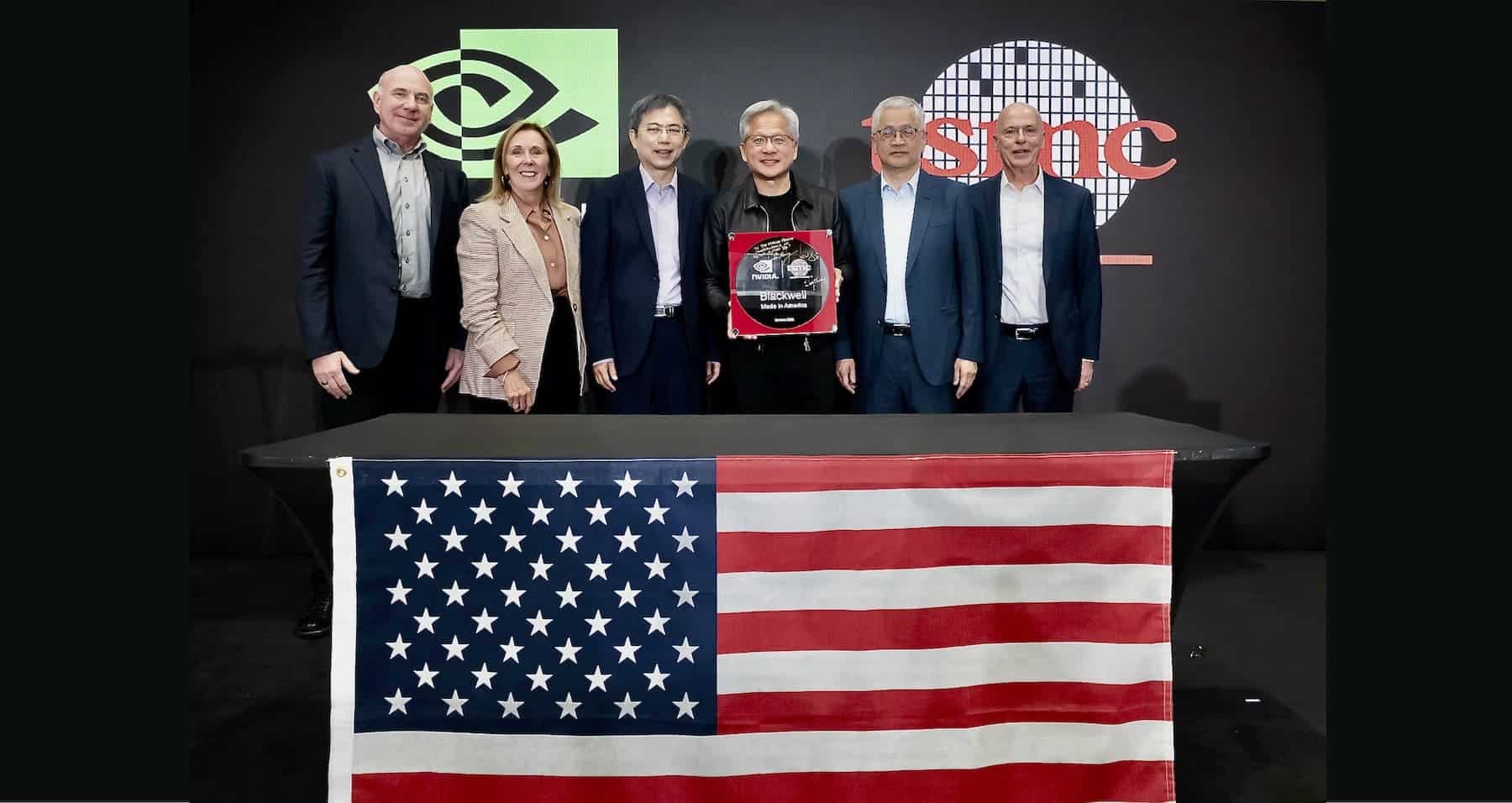
The third issue is geographic expansion. TSMC is building a major manufacturing platform in Arizona, as part of a strategy aimed at bringing part of its production closer to U.S. customers and reducing certain risks tied to the geographic concentration of semiconductor manufacturing.
Investment in the United States also carries high costs. Building factories outside Taiwan can be more expensive because of labor, construction, supply and supplier-chain adaptation costs.
That’s why guidance on Arizona will matter for understanding how this expansion fits into TSMC’s cost structure.
The company has announced several investment phases in Arizona and has laid out plans to manufacture advanced processes there. The first fab began producing 4-nanometer chips in volume during 2025, while the following phases are earmarked for more advanced technologies.
The debate is no longer just about whether TSMC will manufacture chips in the United States. The economic question is how much that capacity will cost, which customers will use it, and to what extent public incentives can offset part of the gap compared with manufacturing in Taiwan.
The expansion also has a strategic dimension. For major U.S. customers, having advanced manufacturing capacity inside the country can reduce certain supply risks. For TSMC, at the same time, it means spreading investment and production across more regions.
Terafab and the Next Stage of Capacity
Another concept that may come up in conversations about future capacity is Terafab, associated with TSMC’s vision of semiconductor manufacturing infrastructure on a much larger scale.
The idea connects directly to the expected growth in demand for AI chips. If accelerators and high-performance processors keep increasing in volume, the industry will need not just new fabs, but also a supply chain capable of providing equipment, materials, power, water, packaging and logistics on a much larger scale.
For TSMC, that expansion has to happen while maintaining profitability. Advanced fabs require capital investments of tens of billions of dollars and take years to reach full capacity.
That’s why the company’s guidance will matter as much as this quarter’s results. Revenue and profit will show what has already happened, but estimates of capacity, investment and demand will offer a more useful picture of the next stretch of the semiconductor cycle.
TSMC’s presentation thus arrives with the industry waiting on a central question: whether artificial intelligence is generating an exceptionally long investment cycle, or whether part of the current growth corresponds to an expansion phase that will eventually moderate. The answer will depend on demand from major customers, the prices that advanced nodes can sustain, and TSMC’s ability to expand production without hurting its margins.
Frequently asked questions
Why are TSMC’s results important for the tech sector?
TSMC manufactures chips for numerous processor and accelerator designers. Its results and guidance offer insight into demand for advanced semiconductors and available capacity.
What does AI supercycle mean?
It’s the term used to describe a possible prolonged cycle of growth in investment and demand for hardware related to artificial intelligence.
Why do advanced chip prices matter?
The most advanced manufacturing processes are more expensive. TSMC’s ability to hold prices and margins helps gauge how far strong AI demand is translating into profitability.
What role does Arizona play for TSMC?
Arizona is part of TSMC’s international expansion and will allow it to manufacture advanced chips in the United States. How its investments and costs evolve will be one of the key issues for the company’s future strategy.
