
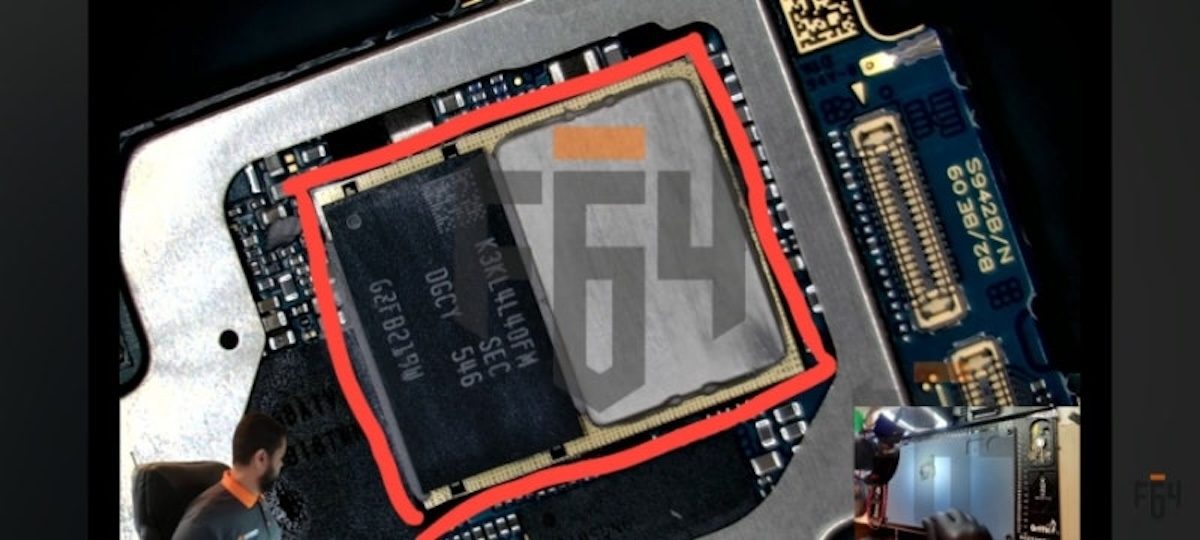
The Exynos 2700, the mobile processor Samsung is preparing for the Galaxy S27 lineup, has reportedly beaten Qualcomm’s most powerful chip in internal tests: around 20% higher multi-core CPU performance in Geekbench 6.5, according to South Korean outlet Chosun Biz, which published the figures on October 25, 2026, citing industry sources. These are Samsung’s own results, with no independent verification, and the chip still has to prove its performance and power consumption in commercial phones.
Exynos 2700 vs. Qualcomm’s Snapdragon in 30 seconds
- According to Chosun Biz, the Exynos 2700 scored around 13,000 multi-core points in Geekbench 6.5 in Samsung’s internal tests.
- The Snapdragon 8 Elite Extreme Gen 6, Qualcomm’s flagship chip, scored around 11,000 points.
- On GPU, Samsung also claims advantages of between 5% and 20% depending on the test type.
- The chip will be built on Samsung’s second-generation 2nm process, SF2P.
- The comparison comes from internal tests and is still pending confirmation in real phones.
The Exynos is the application processor (AP) Samsung designs for its own phones, competing against Qualcomm’s Snapdragon chips, which the brand also uses across part of its lineup. Its predecessor, the Exynos 2600, made it into some Galaxy S26 models and the Galaxy Z Flip8. The next generation matters to Samsung for two reasons: deciding how many Galaxy S27 units will ship with an in-house chip, and proving that its 2nm fab can compete.
What the Internal Tests Show
According to Chosun Biz, Samsung compared its chip against two Xiaomi phones using different Qualcomm processors, since the American company has split this generation into a higher and a lower tier. Against the Xiaomi 18 Pro Max, powered by the Snapdragon 8 Elite Extreme Gen 6, the Exynos 2700 scored around 13,000 multi-core points in Geekbench 6.5 versus around 11,000, roughly 20% higher, and about 15% higher in Geekbench 7.0.
Against the Xiaomi 18 Pro, powered by the Snapdragon 8 Elite Gen 6, the gap widens to 44% in Geekbench 6.5 and 36% in version 7.0. On graphics, the outlet cites an advantage of around 20% in peak performance for demanding games using the latest graphics techniques, and 5% in basic graphics computation for high-end 3D games.
The figures don’t fully match what circulated back in August. At that time, according to reports picked up by SamMobile and Notebookcheck from South Korean outlets, internal tests gave the Exynos 2700 a multi-core advantage of around 19% over the Snapdragon 8 Elite Gen 6, but only 9.5% over the higher-tier model. The gap against Qualcomm’s most powerful chip now looks larger, though since these are different tests, on different phones and different Geekbench versions, they aren’t directly comparable.
Samsung’s 2nm and a New Package
The Exynos 2700 is designed by Samsung’s System LSI division and will be manufactured by its foundry business on SF2P, the second generation of its 2nm process. According to Chosun Biz, an improved version of the Heat Path Block (HPB) package, which helps dissipate the chip’s heat, is said to help lower temperature and improve performance. Power consumption and heat have been precisely the weak spot of several Exynos generations against Snapdragon.
For Samsung, the result carries a meaning beyond the phone itself. Its foundry business needs to prove that its 2nm node is competitive in order to attract outside customers, and Cloud News already reported that Samsung is speeding up its foundry recovery, even as 2nm and Texas remain unresolved. A competitive Exynos built in-house would be its best showcase. On the other side, Qualcomm is raising the price of the Snapdragon 8 Elite Gen 6, which only increases Samsung’s incentive to use its own chip across more markets.
The real-world test is still to come. Geekbench figures measure peak performance, not sustained performance under load or power efficiency, which is what users actually notice in battery life and heat. Chosun Biz itself warns that, since these are internal tests, performance and efficiency in the final products need confirmation. The Galaxy S27 lineup, expected in early 2027, will be what settles the question.
Frequently Asked Questions
Is the Exynos 2700 faster than the Snapdragon?
According to Samsung’s internal tests published by Chosun Biz, it scores around 20% higher in multi-core performance than the Snapdragon 8 Elite Extreme Gen 6 in Geekbench 6.5, but there’s no independent verification.
Which phones will use the Exynos 2700?
It’s expected to appear in the Galaxy S27 lineup, which Samsung would launch in early 2027. It hasn’t been confirmed which models and markets will get it.
What process is the Exynos 2700 built on?
SF2P, the second generation of Samsung Foundry’s 2nm process.
Why do the August and October figures differ?
They come from different internal tests, with different comparison phones and different Geekbench versions, so they aren’t directly comparable.
Sources:
