
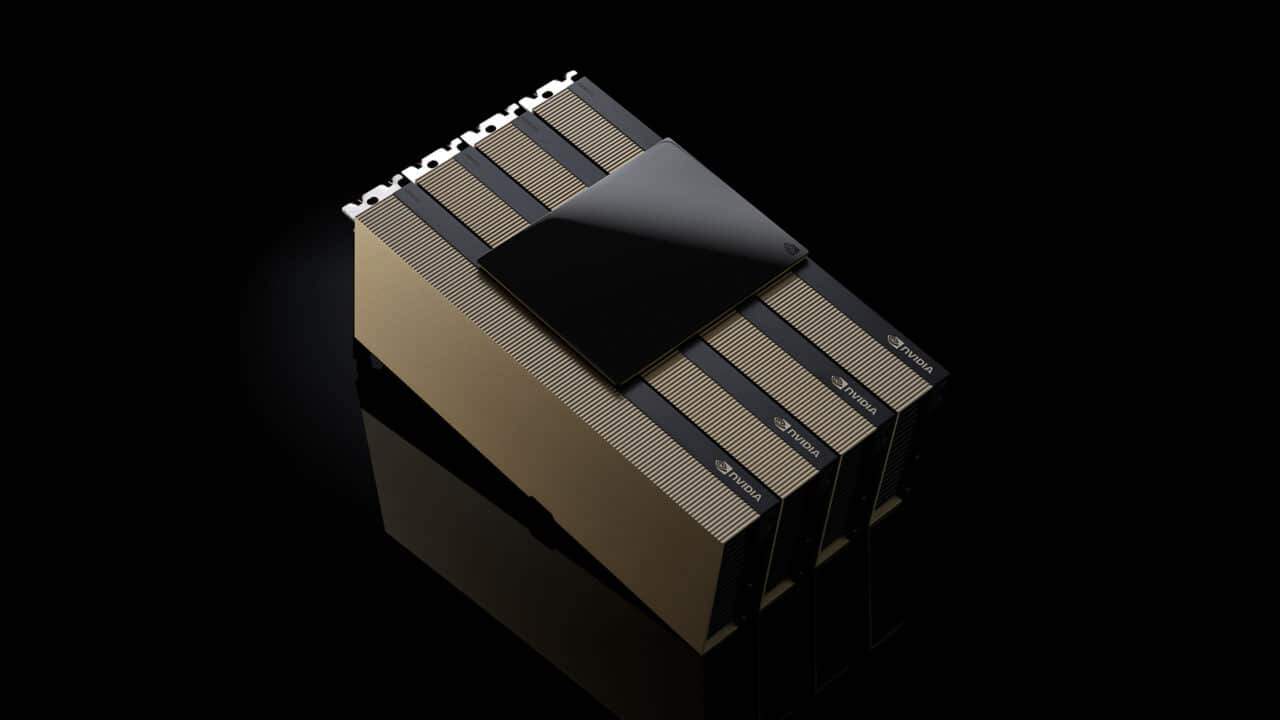
Northwestern Polytechnical University (NPU), a Chinese institution tied to military research that has been on the US Commerce blacklist since 2001, bought two NVIDIA H200 accelerators in October for 874,700 yuan, about $123,000. The purchase is documented in a procurement record dated October 21, 2026, published on the university’s own website, which brought to light a Reuters investigation.
The blacklisted university’s NVIDIA H200 purchase in 30 seconds
- NPU, in Xi’an, bought two H200s for its business school from Shaanxi Bosuan Network Technology, not from NVIDIA.
- It also signed five contracts this year to rent NVIDIA GPU compute capacity from Chinese companies.
- It has been on the US Entity List since 2001, with license denials by default since 2019.
- Reuters reviewed 26 records showing similar purchases at other Chinese institutions.
According to the record, the purchase was made for the university’s business school, and the seller was Shaanxi Bosuan Network Technology, a local supplier whose way of obtaining the chips is unknown. Reuters was unable to find contact details for that company. The document confirms the procurement but not the delivery or final use of the hardware, and neither the university, NVIDIA, nor the US Department of Commerce have commented on these purchases, according to Al Jazeera.
NPU, headquartered in Xi’an (Shaanxi province), is part of the group of universities known as the “Seven Sons of National Defense” for their ties to the People’s Liberation Army, and conducts research on military aircraft, missiles, and satellites. The United States added it to its Entity List in 2001, the list of entities subject to export restrictions, over alleged missile proliferation activities, and tightened those restrictions in 2019 to a presumption-of-denial licensing policy in most cases.
Buying or Renting: Two Ways In
Direct purchases aren’t the only thing the investigation covers. The university signed five contracts this year with Chinese companies to rent compute capacity that gave it access to H200 and other advanced NVIDIA processors. Among them, according to Reuters, its cybersecurity school awarded two seven-month contracts in January to use servers with eight H200s each, and also contracted capacity based on A100 and A800 chips, two models whose export to any Chinese entity is banned.
NPU’s case isn’t isolated. Reuters reviewed 26 Chinese procurement and corporate records from 2026 and found universities and research institutions, several with military ties, buying restricted NVIDIA chips or renting services that use them through domestic providers. According to the agency, Shenzhen University bought three H100s in September, and Wuhan University of Technology acquired a server with H100s in June.
The pattern fits what this outlet has been reporting in recent weeks: the debate over renting GPUs to Chinese companies and the H200 licenses granted to Chinese companies with empty offices. Controls focus on the sale and shipment of chips, while remote access to capacity and resale through intermediaries leave gaps that are hard to police.
H200 Licenses Don’t Cover the Blacklist
The H200 is one of NVIDIA’s most capable accelerators for training and running advanced AI models, and its export requires a license. In January, the Trump administration began allowing some H200 sales to China on a case-by-case basis, but that opening didn’t lift the specific restrictions on Entity List organizations like NPU. In practice, any H200 that reaches this university does so outside the legal channel Washington intended, though the record doesn’t explain whose hands the chips passed through before reaching the Shaanxi supplier.
The news comes at the worst possible time for NVIDIA. The company just announced Jensen Huang’s resignation as CEO, after a week marked by the internal investigation into his relationship with a former Megaspeed executive whom US intelligence considers a suspected agent for China. Huang has long argued that continuing to sell to China preserves US technological leadership and keeps Chinese customers dependent on NVIDIA. Some US lawmakers argue the opposite: that these chips accelerate China’s AI development for weapons design, intelligence analysis, and military modernization.
Lawmakers from both parties are calling for tighter controls, including a requirement to track the chips and greater congressional oversight. For cloud and data center providers, also in Europe, the case reinforces an idea that was already on the table: knowing who the end customer is and being able to show where each accelerator is located is becoming a regulatory requirement, not just a best practice.
Frequently Asked Questions
Which Chinese university bought NVIDIA H200 chips?
Northwestern Polytechnical University, in Xi’an, which bought two H200s for 874,700 yuan according to an October 21, 2026 procurement record published on its website.
Can that university legally buy NVIDIA chips?
It has been on the US Entity List since 2001, and since 2019 export licenses have been denied by default. The January decision to allow H200 sales to China doesn’t affect entities on that list.
Who sold the chips?
The record names Shaanxi Bosuan Network Technology, a Chinese supplier, as the seller. There is no indication NVIDIA sold directly to the university, nor how the supplier obtained the chips.
Has NVIDIA responded?
According to Al Jazeera, neither NVIDIA, the Department of Commerce, nor the university has commented on these purchases.
Sources:
This article is also available in Spanish: «Una universidad china en la lista negra de EE. UU. compró dos NVIDIA H200», on revistacloud.com.
