
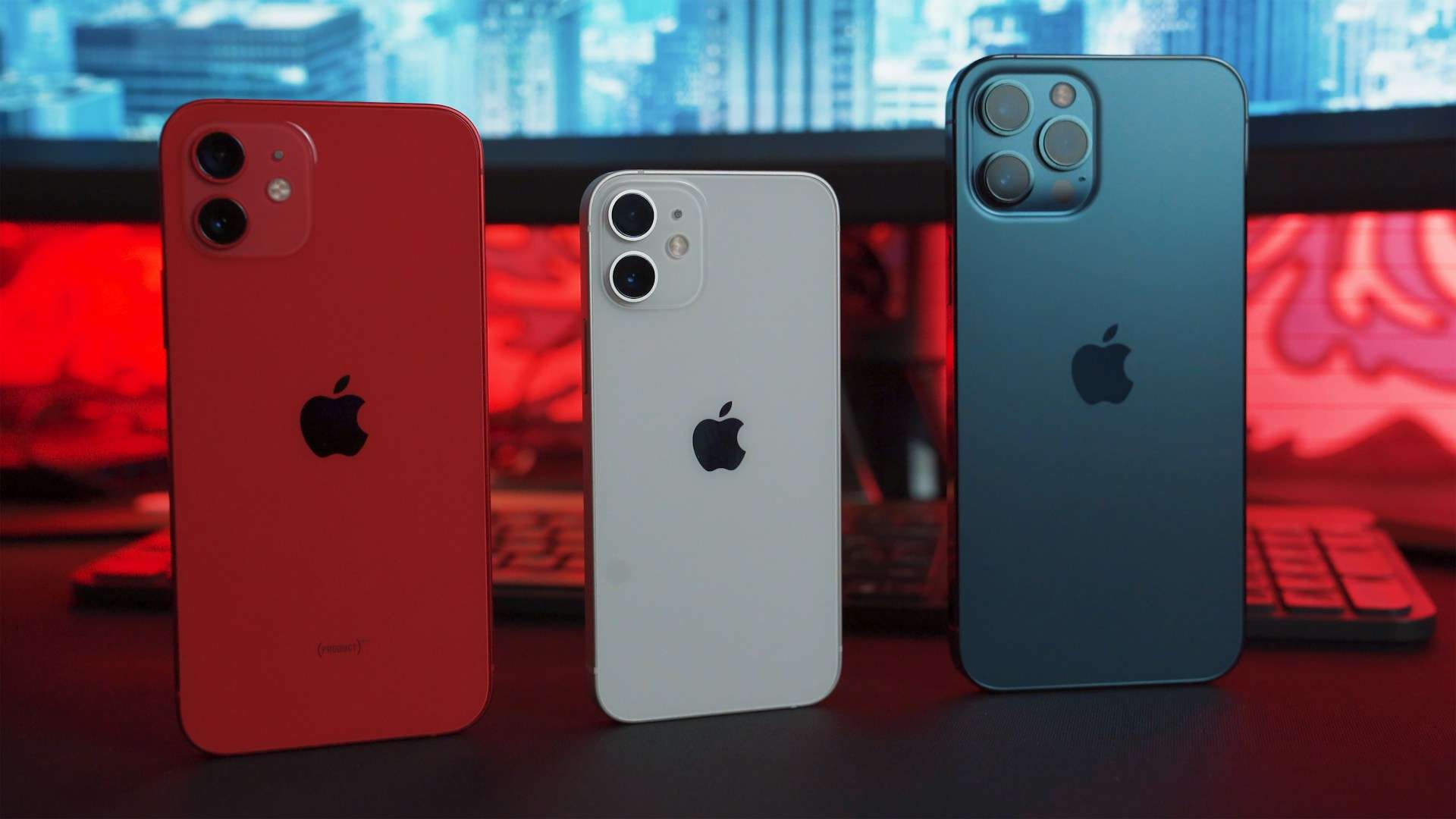
Apple has overtaken Samsung as the brand with the largest share of the carrier smartphone channel in Europe during the second quarter of 2026. The shift comes in a market that fell 8% year over year, but where carrier sales held up better, dropping 4%, compared with an 11% decline in the open market.
Key facts about the smartphone carrier channel in 30 seconds
- Apple grew from 33% to 37% share among European carriers in one year.
- Samsung fell from 39% to 34% and lost the lead it held in Q2 2025.
- The carrier channel grew from 35% to 36% of the market versus the open market.
- vivo’s sales rose 90% and Motorola’s 27% year over year in this channel.
- Pressure on memory prices is hitting budget smartphones especially hard.
The data comes from Counterpoint Research’s Europe Channel Share Tracker and shows a different trajectory depending on the sales channel. While Europe’s smartphone market overall faces a broad contraction, carriers are losing less volume and, as a result, gaining relative weight.
For the tech industry, this matters because distribution is also reflecting a shift in the market’s composition. Carriers have greater exposure to high-end smartphones, while open-market retailers and distributors account for a larger share of budget models.
The memory crunch is reshaping the market split
The second quarter of 2026 closed with an 8% drop in total smartphone sales across Europe. But the decline wasn’t even.
Sales through carriers fell 4% year over year. In the open market, the decline reached 11%. As a result, the carrier channel increased its share from 35% to 36% between Q2 2025 and Q2 2026.
Counterpoint Research links this pattern to the pressure the low end of the market is facing because of the memory price crisis.
The effect matters because budget smartphones have a larger presence in the open market. When memory costs squeeze the final price of these devices, manufacturers and distributors have less room to keep competitive offers.
Carriers start from a different mix. A significant share of their sales happens through contracts and financing, which makes it easier to sell higher-priced handsets. That’s why the slump in budget phones has a relatively smaller impact on this channel.
Jan Stryjak, Associate Director at Counterpoint Research, notes that smartphone sales through carriers skew more toward high-end tiers and brands such as Apple, Samsung, and Google.
The result is something of a paradox within a shrinking market: carriers are also selling fewer phones, but they’re losing less volume than the open market.
Apple flips the leadership position against Samsung
The shift between Apple and Samsung is the most striking figure in the report.
In the second quarter of 2025, Samsung controlled 39% of smartphone sales through carriers in Europe, versus 33% for Apple. A year later, Apple reached 37%, while Samsung dropped to 34%.
That puts Apple three points ahead of Samsung within this channel.
It’s worth separating this figure from Apple’s overall share of the European smartphone market. Counterpoint is measuring specifically the carrier channel here, so Apple’s 37% doesn’t represent the share of all smartphones sold in Europe.
The trend does reflect Apple’s strength in a channel where premium devices have a larger presence. It also shows how pressure on budget handsets can shift brands’ relative weight even as the overall market sells fewer units.
Samsung, for its part, still holds a very significant presence among carriers, but its share fell five percentage points in the year-over-year comparison tracked by Counterpoint.
vivo and Motorola accelerate among carriers
The shift isn’t limited to Apple and Samsung. Counterpoint identifies vivo and Motorola as the manufacturers that grew fastest in the carrier channel during Q2 2026.
vivo posted 90% year-over-year growth, while Motorola increased its sales by 27%. Those gains far outpace the market’s overall trajectory, although they start from different positions than Apple and Samsung.
There’s also a shift compared with the previous year. In Q2 2025, Google and HONOR were the manufacturers standing out for their growth in the carrier channel.
The shift points to the importance of commercial agreements and product positioning with telecom companies. A manufacturer can quickly expand its presence in this channel if it manages to place its models in specific carriers’ offers.
Counterpoint specifically points to vivo’s and Motorola’s positioning with European carriers as one of the factors behind their growth.
The open market still has room to react
The trend isn’t necessarily locked in for coming quarters. Counterpoint Research expects the carrier channel to keep gaining share over the open market as long as the memory price crisis keeps weighing on the low end.
But one factor could limit that advantage: promotions.
The firm notes a steady rise in promotional activity from independent retailers compared with carriers. Discounts can partly offset price increases and give sales outside the carrier channel a fresh boost.
For manufacturers, this shift points to a scenario where distribution matters as much as demand itself again. The same smartphone can face very different commercial conditions depending on whether it’s sold bundled with a plan, through financing, or directly in a store.
The situation could also affect different tiers differently. Manufacturers with heavy exposure to budget handsets are more exposed to pressure on memory components, while brands with a stronger presence in the premium tier hold a relatively more protected position within the carrier channel.
Counterpoint’s report doesn’t point to an immediate recovery for the European market. Its forecast is that carriers will keep gaining share over coming quarters if pressure on the low end continues.
The snapshot from the second quarter leaves a European smartphone market that is weaker, but also more polarized. Carriers are holding up better than the open market, Apple has pushed Samsung off the top spot within this channel, and manufacturers such as vivo and Motorola are gaining ground.
The technology factor behind part of this shift isn’t in networks or phone specs, but in a basic component used to build them: memory. The same supply squeeze is already draining Samsung and SK hynix’s memory inventories to below 10 days of supply, and as long as prices keep pressuring budget models in particular, the sales structure could keep favoring the channels and manufacturers with greater exposure to higher-priced devices.
Frequently asked questions
Does Apple now sell more smartphones than Samsung in Europe?
Counterpoint Research puts Apple ahead of Samsung specifically in the carrier channel during Q2 2026. Apple reached 37% and Samsung 34%.
Why are carriers gaining share in Europe?
Carrier sales skew more toward high-end smartphones. The sharp drop in budget models is hitting the open market harder, so carriers are losing less volume.
Which smartphone brands are growing fastest among carriers?
vivo posted 90% year-over-year growth and Motorola 27% during the second quarter of 2026, according to Counterpoint Research.
What role does the memory crisis play?
Pressure on memory prices is especially affecting budget smartphones. This hurts the open market more, since it has greater exposure to these devices.
