
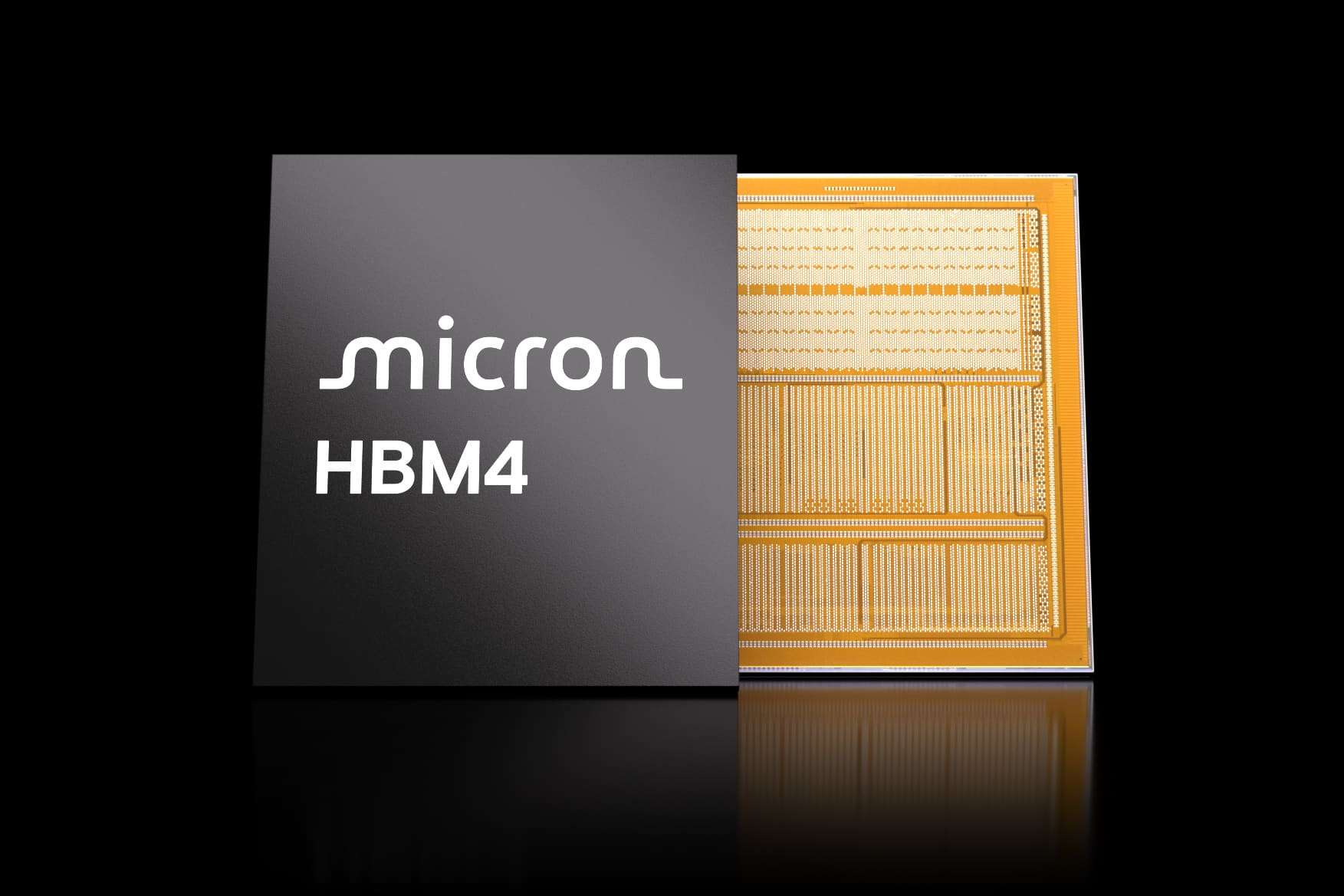
The race between Samsung Electronics and SK hynix to dominate HBM4 memory for artificial intelligence is having a less visible consequence than building new factories: specialized engineers have become one of the most scarce resources in the South Korean industry. Hiring is no longer limited to memory experts alone. The leap from HBM4 to designs with more complex logical base dies is leading major manufacturers to seek specialists in digital design, System-on-Chip (SoC), advanced processes, and foundry services — precisely the profiles that even smaller fabless companies in the country also need.
The key points of the HBM4 talent war in 20 seconds
- SK hynix has opened dozens of positions related to HBM, SoC, digital design, and foundry processes.
- Some of these profiles directly overlap with specialists at Samsung Foundry and System LSI.
- Samsung is also strengthening hiring for HBM4, HBM4E, and future generations.
- South Korean fabless companies fear they won’t be able to compete with the salaries offered by large manufacturers.
- HBM4 demands much more experience in logic and advanced design than previous generations.
The pressure is better understood by observing how High Bandwidth Memory (HBM) itself is evolving. For years, the competition was dominated by DRAM manufacturing and memory stacking. With HBM4, the component beneath the memory stacks, known as the base die, is becoming more complex, bridging two worlds that were once more separate: memory and logical semiconductors.
This makes engineers who until recently worked in processors, digital circuits, or foundry processes particularly valuable for the next generations of memory designed for AI accelerators.
SK hynix is seeking profiles that align with Samsung Foundry
SK hynix has been especially aggressive throughout 2026.
A hiring campaign launched in June included 54 positions for experienced professionals, of which 31 were in the research and technological development area. Specializations included HBM circuit design, HBM digital design, front-end and back-end design, SoC design and verification, and foundry process integration.
Some listings drew particular attention in South Korea.
One position for “HBM Foundry PI” valued hands-on experience with advanced casting processes, while another for digital HBM design required expertise in low-power design and logical processes.
These skills are very close to those possessed by workers at Samsung Foundry and Samsung System LSI, the divisions that develop and manufacture logical semiconductors.
While overlap doesn’t mean SK hynix can solely hire Samsung personnel, the South Korean labor market significantly limits the pool of candidates.
According to Seoul Economic Daily, Samsung concentrates nearly all domestically available experience in certain advanced below 3 nanometers processes with nanosheet transistors. Therefore, SK hynix’s targeted hiring campaign focusing precisely on these technologies increases pressure on its rival.
The situation has another particular aspect.
Samsung can internally develop part of the logic needed for HBM thanks to the integration of its Memory, System LSI, and foundry divisions. Conversely, SK hynix collaborates with TSMC on elements related to the logical base dies of its upcoming memories.
HBM4 is turning advanced logic expertise into a competitive advantage within a product traditionally associated mainly with memory.
Samsung responds by hiring across the entire HBM chain
Samsung is not standing still either.
In July, it launched another campaign targeting experienced professionals covering nearly all aspects of HBM development: core die design, base die design, reliability testing, encapsulation development, and technical support for clients, among other roles.
This hiring effort relates to increased HBM4 production and the development of subsequent generations like HBM4E. Samsung is also preparing technologies for the next evolution of this memory type.
The competition also has an economic component that’s difficult to separate from engineering.
The extraordinary profits generated by AI memory demand have enabled SK hynix to improve its incentive policies. Reuters reported in May that discontent within some Samsung divisions had grown after SK hynix eliminated a ten-year limit on certain performance-linked bonuses.
This is particularly sensitive within Samsung.
Memory employees are directly associated with one of the most profitable business sectors today, while some logic and foundry areas have recorded losses. However, it is precisely some of those logic engineers that the industry now needs to develop the new base dies for HBM.
Reuters reported testimonials from employees indicating departures from Samsung Foundry toward the company’s memory division and SK hynix. Others said colleagues were applying for jobs at SK hynix and other companies.
The risk for Samsung is clear: it must regain ground in HBM while maintaining enough talent in its foundry business.
South Korean fabless companies could become major casualties
The problem extends beyond the rivalry between the two giants.
South Korea has a large semiconductor and memory manufacturing industry, but it’s also trying to develop a broader ecosystem of chip design companies.
These smaller firms can hardly compete in salary negotiations against Samsung or SK hynix.
SK hynix has already launched another campaign to hire three-digit numbers of design engineers, according to information from TrendForce sourced from South Korean media. The initiative targets both recent graduates and young professionals already starting their careers.
Kim Kyung-ho, president of the Korea Fabless Industry Association, warned that most companies in the sector cannot match the salary levels offered by SK hynix. His concern is that the massive recruitment could create a “black hole” for available engineers, harming the domestic fabless industry.
This phenomenon doesn’t stop at South Korea’s borders either.
Micron, TSMC, Nvidia, ASML, and other international firms compete for semiconductor specialists. Edaily notes that foreign companies’ hiring in Korea has increased over the past two years, and that having directly worked on Samsung or SK hynix HBM projects is becoming a highly valued credential.
In other words, Samsung might lose engineers to SK hynix, but both can also lose talent to international companies.
HBM4 is changing the type of engineer memory needs
The technological explanation underpins all this movement.
HBM works by stacking multiple dies of DRAM and connecting them with thousands of interconnections to achieve enormous bandwidth alongside the accelerator. However, newer generations require increasingly sophisticated logical circuitry to manage these communications and adapt to specific architectures.
HBM4 significantly expands this frontier.
The base die can incorporate logical functions fabricated with processes much more advanced than those traditionally used for DRAM. Furthermore, the growth of custom HBM designs for large clients increases the need for designers capable of integrating memory, logic, interfaces, and advanced packaging.
Nvidia has already confirmed that Samsung, SK hynix, and Micron are producing HBM4 to support its Vera Rubin platform, according to Jensen Huang’s statements gathered by Reuters in June. Samsung and SK hynix together account for about 70% of the memory used in AI accelerators, per the same source.
Thus, the competition is no longer just about who can manufacture the most HBM stacks.
It also involves designing the base die better, achieving higher manufacturing yields, integrating memory with accelerator packaging, and rapidly adapting products to the needs of clients like Nvidia.
All these fronts require engineers.
South Korea finds itself in a paradox: the AI boom is massively strengthening two of its biggest tech companies, yet the same demand is drawing an increasingly large share of the national talent pool toward Samsung and SK hynix.
For small chip design firms, the issue isn’t just finding good engineers; it’s competing with companies generating enormous revenues from AI infrastructure investment and considering HBM a strategic technology.
If HBM4 and HBM4E continue increasing integrated logic and customization, this pressure is unlikely to diminish. High-speed memory is no longer just a race for manufacturing capacity but has become a race to hire the people capable of designing it.
FAQs
Why does HBM4 require more chip design engineers?
Because the importance and complexity of the logical base die beneath the memory stacks is increasing. This demands expertise in digital design, SoC, advanced processes, and logical semiconductors that previously played a lesser role in HBM development.
Is SK hynix trying to hire Samsung employees?
SK hynix doesn’t limit its offers to Samsung employees, but several positions require skills that closely match those available at Samsung Foundry and System LSI. The limited pool of South Korean specialists further increases the potential for employee movement between the two companies.
Who are the main competitors in HBM4?
The three largest manufacturers are Samsung Electronics, SK hynix, and Micron. Nvidia has stated that all three are producing HBM4 to support its Vera Rubin platform.
Why does this hiring war concern fabless companies?
Because smaller companies dedicated to chip design struggle to match the salaries and bonuses of the giants. The massive recruitment of specialists by Samsung and SK hynix may further reduce the available pool of engineers, impacting the domestic fabless industry.
