
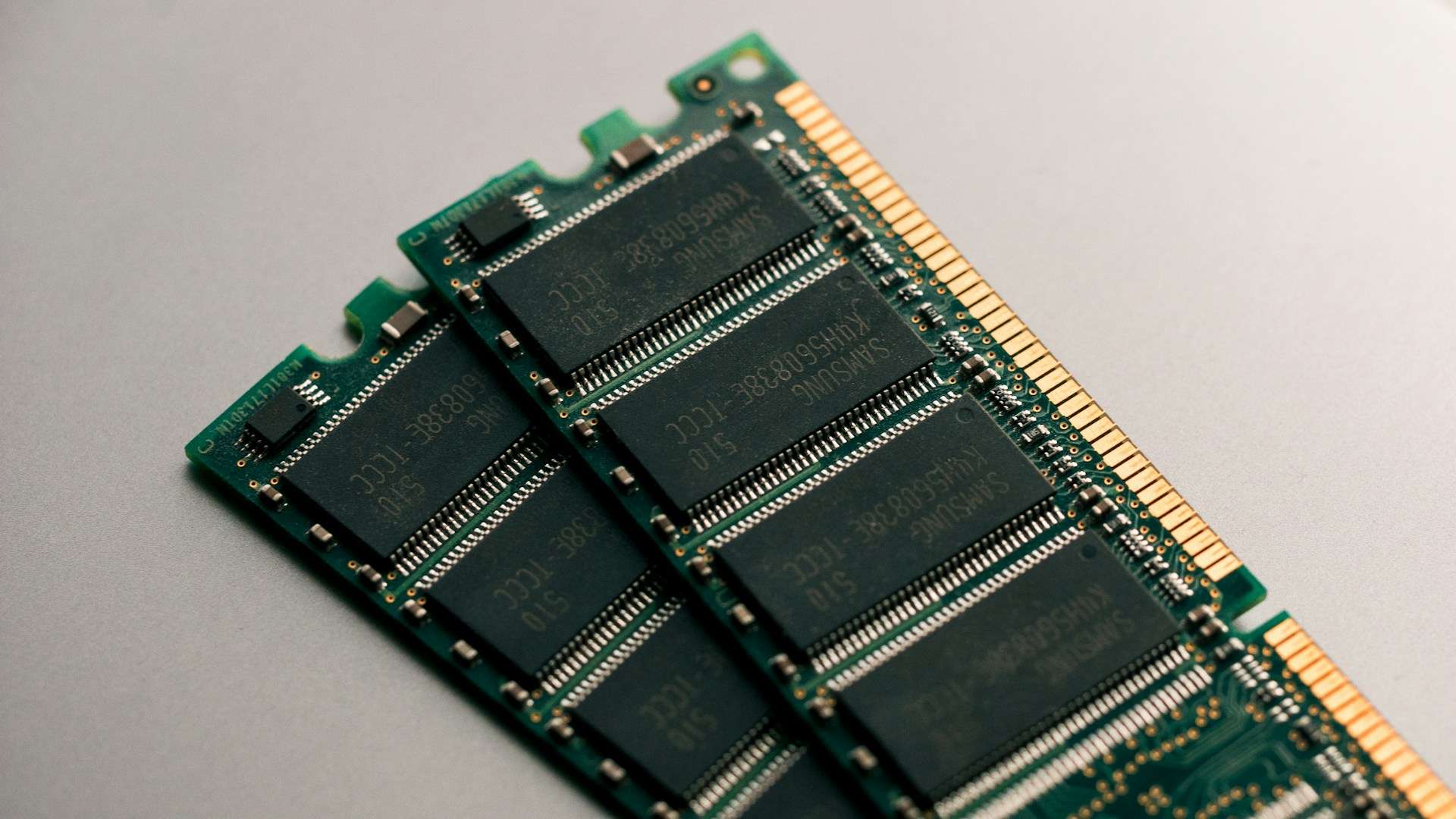
The memory market is experiencing one of its most intense periods in recent quarters, and Adata has become one of the standout names in this surge. The Taiwanese manufacturer of memory modules closed 2025 with record results and is heading into 2026 with an inventory level that has already reached TWD 30 billion, in a context marked by supply shortages and rising prices for DRAM and NAND. This information is reported by Digitimes, which indicates a particularly strong fourth quarter of 2025 for the company.
Although some details of the annual close remain under subscription in Digitimes’s coverage, the main message is clear: Adata has seized the new upward cycle in memory. According to that source, the company posted historic highs in consolidated revenue, gross margin, operating margin, pre-tax profit, net profit, and earnings per share in the fourth quarter. This news isn’t isolated. As early as November 2025, Digitimes had reported that Adata was setting quarterly records thanks to the strength of the memory market.
A Manufacturer Highly Exposed to the New DRAM and NAND Cycle
To understand the scale of this moment, we need to look at the sector context. Adata doesn’t produce memory chips like Samsung, SK hynix, or Micron; instead, it primarily operates as an integrator and seller of modules, SSDs, and related products. This means its business is directly dependent on prices, chip availability, and effective inventory management.
When the market enters a phase of price increases, companies that have accumulated stock at the right time can significantly improve their margins. This appears to have happened with Adata. Digitimes had already forecast in January that the company surpassed TWD 10 billion in pre-tax profit for 2025, illustrating the scale of this performance for the group.
In fact, Adata has shown a very favorable evolution in its official results during 2025. In Q2, the company reported consolidated revenues of TWD 9.9 billion and a gross margin of 16.71%, with an operating profit of TWD 1.65 billion and attributable net profit of TWD 1.4 billion, according to its official financial data.
January 2026 Confirms that Tensions Persist
Beyond the 2025 close, what has bolstered market optimism is the start of 2026. On its official financial information page, Adata reports that in January 2026, its consolidated monthly sales reached TWD 8.412 billion, compared to TWD 2.814 billion in January 2025, representing an almost 200% annual growth.
This jump isn’t solely due to a one-off commercial improvement. Digitimes attributes this behavior to the continuation of the global memory shortage and the sharp increase in contractual prices for DRAM and NAND flash. In other words, the market remains highly strained, and Adata is capitalizing on this situation.
For the tech industry, this dynamic has several implications. The first is obvious: manufacturers and assemblers with inventory purchased before the price hikes are in a position to improve profitability. The second affects the entire supply chain: if price pressure continues, PC, server, storage, and consumer electronics manufacturers could face higher costs in 2026.
High Inventory: Opportunity and Risk Simultaneously
The fact that Adata’s inventory has early on reached TWD 30 billion, according to Digitimes, can be seen as a sign of confidence in the cycle’s longevity, but also as a risky bet. If prices remain firm or continue to rise, holding that volume of stock could provide a significant commercial and financial cushion. However, if the market quickly shifts direction, the value of that inventory could turn into a burden.
This isn’t the first time the memory market has experienced sharp movements. Historically, DRAM and NAND segments are extremely cyclical, with periods of oversupply, sharp price declines, and subsequent rebounds when production adjusts or demand reaccelerates. Precisely for this reason, Adata’s case is particularly interesting: its performance acts as a thermometer for a market that is heating up once again.
Implications for the Tech Industry
The rise of Adata is not just a financial headline; it also offers clues on what could lie ahead for the broader technology ecosystem. If the memory shortage persists, its impact could extend to multiple segments: laptops, data centers, AI servers, gaming consoles, consumer SSDs, and embedded systems.
Furthermore, the surge in workloads related to artificial intelligence and the ongoing transition to DDR5 continue to heighten market sensitivity to supply-demand imbalances. In this environment, companies like Adata—situated at the intersection of chip provisioning and finished products—serve as valuable indicators for anticipating sector movements.
The data available so far suggests that Adata enters 2026 in an especially strong position. Record profits, explosive sales growth in January, and high inventory levels paint a picture of a company that has read the cycle well. The big question remains: how long can this uptrend last before the market corrects again?
Frequently Asked Questions
Why is Adata benefiting so much from the memory boom?
Because it operates in a market highly sensitive to DRAM and NAND prices. When shortages occur and prices rise, companies with well-managed inventories can sell at higher margins and significantly boost profitability.
What does it mean that Adata’s inventory is around TWD 30 billion?
It indicates that the company has accumulated substantial stock or components on its balance sheet. This can be an advantage if prices continue to increase but also entails risk if the memory market suddenly changes trend.
Can SSD and RAM module prices rise in 2026?
Yes. If the tension in DRAM and NAND persists, costs could be passed on to RAM modules, SSDs, and other storage or memory products, both in consumer and professional sectors.
What does Adata’s case reveal about the global memory market?
It shows that the sector has returned to a bullish phase, with tightened supply, strong revenue growth for some players, and pressure on the tech supply chain. It also confirms that memory remains one of the most cyclical segments within the semiconductor industry.