
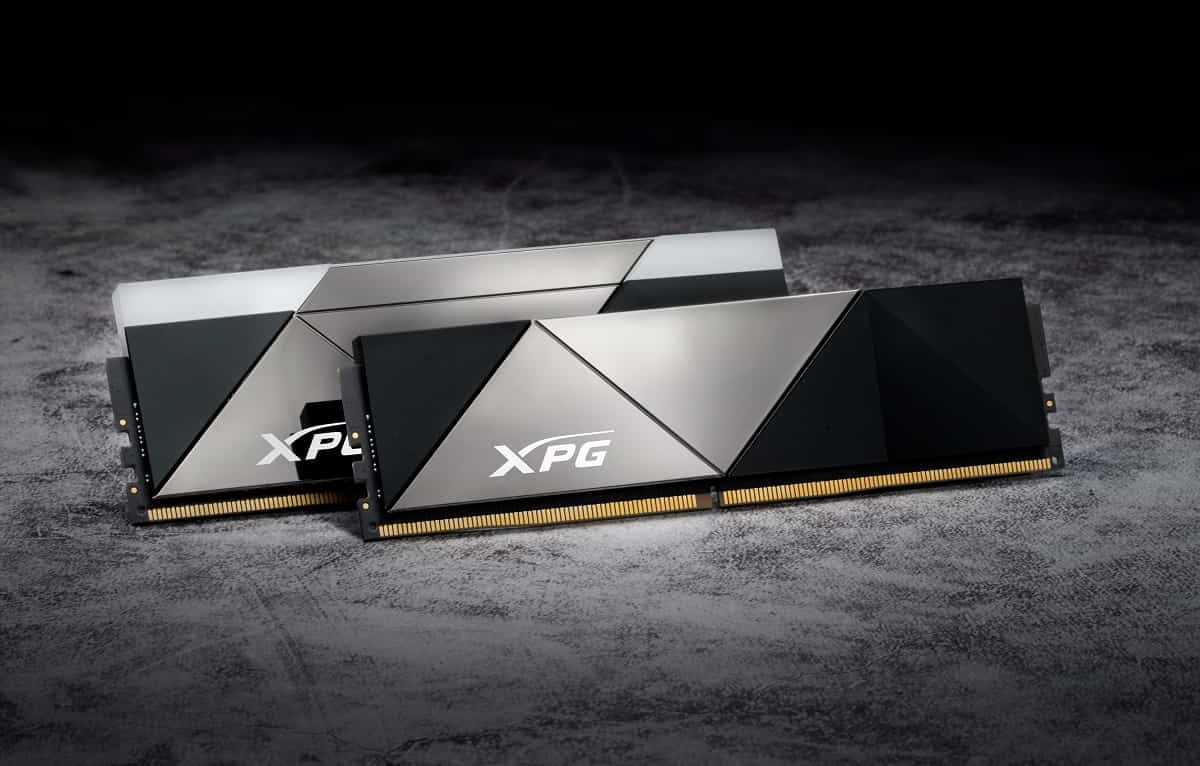
For years, memory was the “boring” component of the PC: prices dropped gradually, improvements were modest, and it rarely made headlines. As 2025 comes to a close, that story has changed. The industry is experiencing a supply shock that’s driving up prices for DDR5 (and also pushing SSD prices higher), with a clear culprit in the background: the reallocation of wafers and advanced packaging capacity toward HBM memory, the fuel for AI accelerators.
The most visible sign of this shift comes from the sales channel. CyberPowerPC, one of the major system integrators, announced price hikes and attributed them to a recent “500%” increase in RAM costs, alongside rising SSD prices. This isn’t the only warning: when supply tightens, the retail market tends to react abruptly—and precisely during the peak shopping season.
The script is changing: it’s not that DDR5 demand is lacking, but that “excess” demand is concentrated on HBM
This nuance is important from a financial perspective. The rise isn’t due to a sudden PC boom, but a manufacturing priority: memory manufacturers and their supply chains are maximizing profitability and securing contracts with hyperscalers and accelerator providers.
HBM (High Bandwidth Memory) isn’t “just another RAM.” It has much higher technical barriers: die stacking (stacks), TSVs, interposers, more demanding testing, and most importantly, a dependency on advanced packaging capacity. This makes it a category where large clients pay premium prices and sign multi-year commitments. The result is a strong incentive: if your capacity is limited, you allocate it where margins are higher.
In this context, DDR5—the standard memory for PCs and many laptops—competes for resources with products that today “drive” the income statement.
The bottleneck isn’t just the factory: it’s also in packaging
A common mistake when analyzing these cycles is to think that “more wafers” is enough. In HBM, the challenge doesn’t end at the wafer. The supply chain gets stuck in later stages: stacking, bonding, connecting, and validating memory to work seamlessly integrated with the compute chip (GPU/accelerator). This capacity cannot be scaled overnight.
This is where the dynamic that scares PC makers appears: even if the market wanted to respond by producing more DDR5, part of that capacity—especially the most valuable and flexible— is already committed to AI. In market terms, this results in two typical effects:
- Volatility in spot and retail channels, with disorderly price increases.
- Tension in contracts and allocations, with “non-strategic” clients ending up last in line.
TrendForce, a leading firm tracking memory prices, has been warning about DRAM price increases across various market segments, fueled by demand from servers/AI and an offer that’s not growing at the same pace.
Implications for consumers… and OEM margins
In financial terms, the concern isn’t just the shock to buyers, but the impact on industry cost structures:
- System integrators and PC brands: they can either pass on increases (risking demand slowdown) or absorb part of the hit (pressure on margins). In consumer markets, where prices are more elastic, the latter usually doesn’t last long.
- More conservative configurations: when memory becomes unpredictable, product lines tend to simplify—fewer SKUs, smaller capacity jumps, and more reuse of “validated” configurations.
- Ripple effects on other components: if memory prices go up, the total “bill of materials” for the device increases. This can result in higher retail prices or less aggressive promotions.
Meanwhile, segments fueling AI are strengthening their purchasing power. Large-scale data center deployments, like the Stargate program (attributed to OpenAI and partners, according to industry sources), illustrate an idea: when a client buys infrastructure at a nationwide scale, their ability to reserve supply changes the game.
When will things normalize? The timeline is the real challenge
Memory is a capital-intensive industry with long lead times. Even with announced expansions, timing matters: a new plant doesn’t “come online” in a single quarter, and much of the new investment is focused on lines and processes related to HBM and enterprise products.
Market talk now points to a window of adjustment stretching into 2027–2028 for significant relief—and even then, prices may not be “affordable” for consumers. What’s clear is that the cycle won’t be resolved quickly: excessive structural demand driven by AI, combined with numerous bottlenecks outside the wafer fab, suggests a prolonged recovery.
Market outlook: who benefits and what to watch
Without turning this into investment advice, there are standard indicators analysts observe in such cycles:
- Memory manufacturers: shifting mix toward higher-margin products (HBM, enterprise DRAM), which could improve profitability and revenue visibility.
- Advanced packaging supply chain: if the bottleneck is in backend processes, investments and contracts in that segment become strategic.
- PC and consumer electronics OEMs: often most exposed to component inflation, especially in mid-to-low-end ranges.
Key metrics to monitor:
- Changes in contract prices (not just retail).
- Expansion pace of HBM capacity and packaging capabilities.
- Quarterly results commentary on allocations and lead times.
- Strategic shifts in commercial policies (bundles, sales restrictions, SKU reductions).
Frequently Asked Questions
Why is DDR5 RAM increasing in price if the PC market isn’t at record highs?
Because the decisive factor isn’t PC demand, but the reallocation of capacity toward AI memory products—especially HBM—that absorb resources and strain the available DDR5 supply.
What does HBM have to do with the RAM in my computer?
HBM uses processes and, above all, advanced packaging that compete for investment and industrial capacity within the same large manufacturers. When that part of the system becomes saturated, the rest of the catalog (DDR5, NAND) may receive lower priority.
When should DDR5 and SSD prices come down?
If the cycle is dominated by capacity expansions and long-term contracts, the adjustment tends to be slow. Industry estimates point to a multi-year horizon for meaningful relief—depending on new investments and ongoing demand growth from AI.
Will this affect my purchase of a laptop or PC in 2026?
It’s quite possible, whether due to higher prices, fewer promotions, or more conservative configurations (e.g., fewer RAM/SSD upgrades in mid-range models).
via: tomshardware