
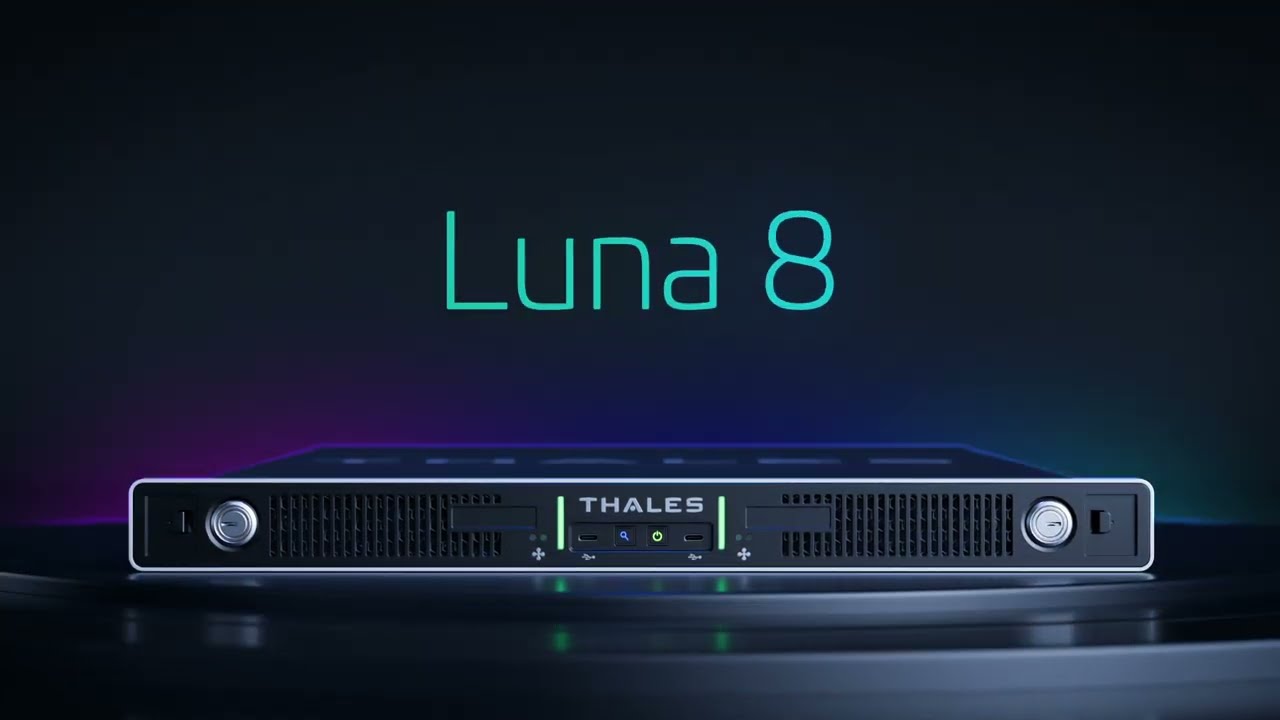
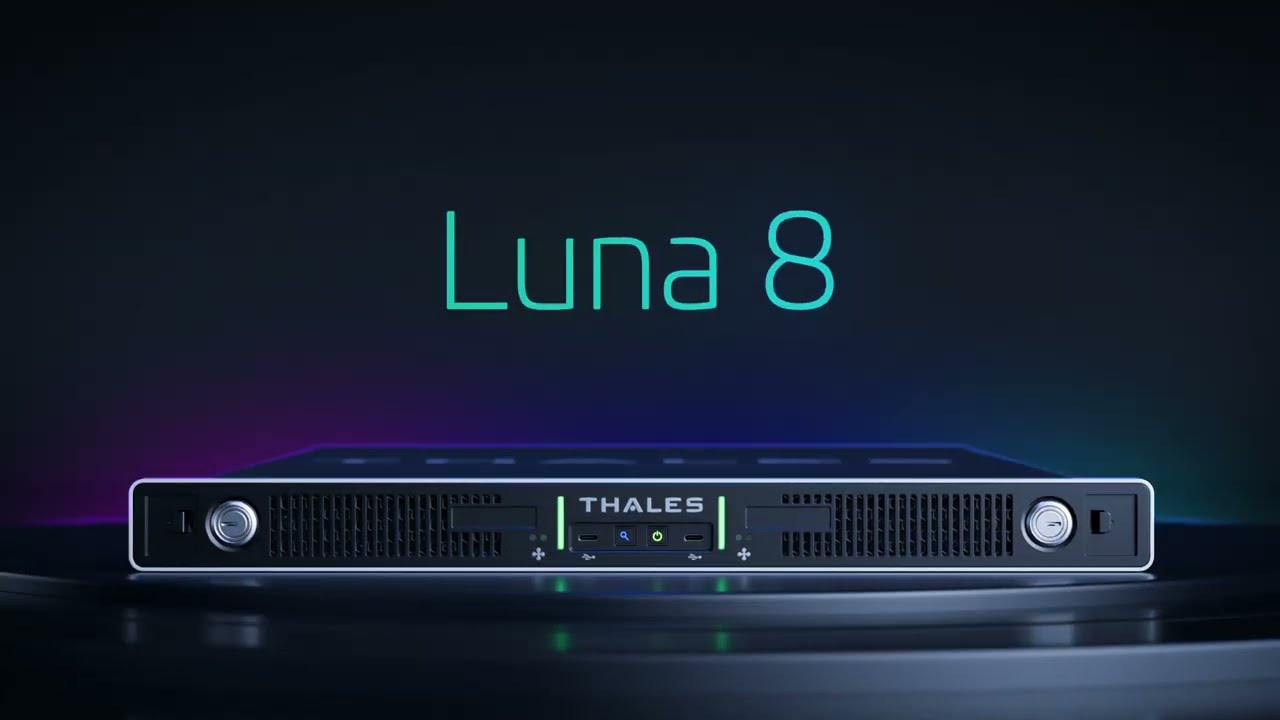
The transition to post-quantum cryptography is no longer a matter of research but a matter of technological readiness. With this in mind, Thales has announced Luna 8, a new generation of hardware security modules (HSMs) designed to protect cryptographic keys against future threats posed by quantum computing and to respond to the growing workloads driven by artificial intelligence.
The keys of Luna 8 in 20 seconds
- Thales introduces Luna 8, its new HSM focused on post-quantum cryptography.
- Features a cryptographic processor developed by the company itself.
- Built to support current and future cryptographic algorithms through an upgradable architecture.
- The device targets critical infrastructure, PKI services, digital identities, and electronic signatures.
- Thales aims for certifications such as FIPS 140-3 Level 3 and European Union Common Criteria.
The launch comes amid growing concerns about attacks known as Harvest Now, Decrypt Later (HNDL), a strategy that involves collecting encrypted data today with the intent to decrypt it once quantum computers have enough capability to break current algorithms.
Quantum computing accelerates cryptography modernization
According to the Thales Data Threat Report 2026, the risk associated with HNDL attacks was the most cited concern among surveyed organizations.
The report notes that 59% of companies are already evaluating or testing post-quantum cryptography (PQC) algorithms as part of their transition strategy.
With Luna 8, Thales aims to facilitate this shift without requiring a complete overhaul of existing cryptographic infrastructures.
A security module designed to evolve
HSM (Hardware Security Module) devices are specialized hardware that store and manage cryptographic keys used in critical services such as:
- Public Key Infrastructure (PKI).
- Certificate management.
- Digital signatures.
- Authentication systems.
- Digital identities.
- Protection of master keys.
The main innovation with Luna 8 is that it includes a cryptographic processor developed by Thales, designed to execute both traditional algorithms and future standards of post-quantum cryptography.
The company emphasizes that its architecture will allow the integration of new algorithms via updates, a feature deemed essential given the evolving standards set by international bodies.
Enhanced performance for new workloads
Beyond the transition to post-quantum cryptography, Thales highlights artificial intelligence as another factor increasing demand for cryptographic operations.
According to the company, Luna 8 provides a significant performance increase over previous generations, although no specific throughput figures are disclosed in this announcement.
The device is designed to scale from traditional enterprise environments to large cloud and hyperscale infrastructures, where the volume of cryptographic operations continues to grow.
Compatibility with existing infrastructure
Another key aspect highlighted by Thales is continuity for current customers.
Luna 8 maintains the same interfaces and auxiliary components as previous generations, allowing applications to migrate without redesigning the cryptographic infrastructure.
The company also announces that future versions of this platform will support payShield 11K, its family of HSMs used by banks and payment service providers to secure financial transactions, PINs, and cryptographic keys.
Security certifications underway
Luna 8 is now available as a network device.
Thales states that the new HSM is undergoing evaluation for some of the most demanding security certifications in the market, including:
- FIPS 140-3 Level 3.
- European Union Common Criteria.
These certifications are common in sectors such as banking, government agencies, defense, telecommunications, and critical infrastructure, where HSMs form a trusted foundation for security systems.
Although quantum computing capable of breaking current algorithms has not yet entered the commercial stage, the cybersecurity sector believes the transition should begin several years in advance. Replacing cryptographic infrastructures often requires long validation, integration, and certification cycles, especially in organizations with extensive technological environments.
Frequently Asked Questions
What is Luna 8?
It is Thales’s new hardware security module (HSM) designed to protect cryptographic keys and facilitate the transition to post-quantum cryptography.
What does an HSM protect?
It securely stores and manages keys used in digital certificates, authentication, digital identities, PKI infrastructures, and other cryptographic services.
What are Harvest Now, Decrypt Later (HNDL) attacks?
They involve capturing encrypted data today in order to decrypt it in the future with enough quantum computing power to break current algorithms.
Is it prepared for post-quantum cryptography?
Yes. According to Thales, Luna 8 is designed to support current and future algorithms through an upgradable architecture.
via: cpl.thalesgroup.com
