
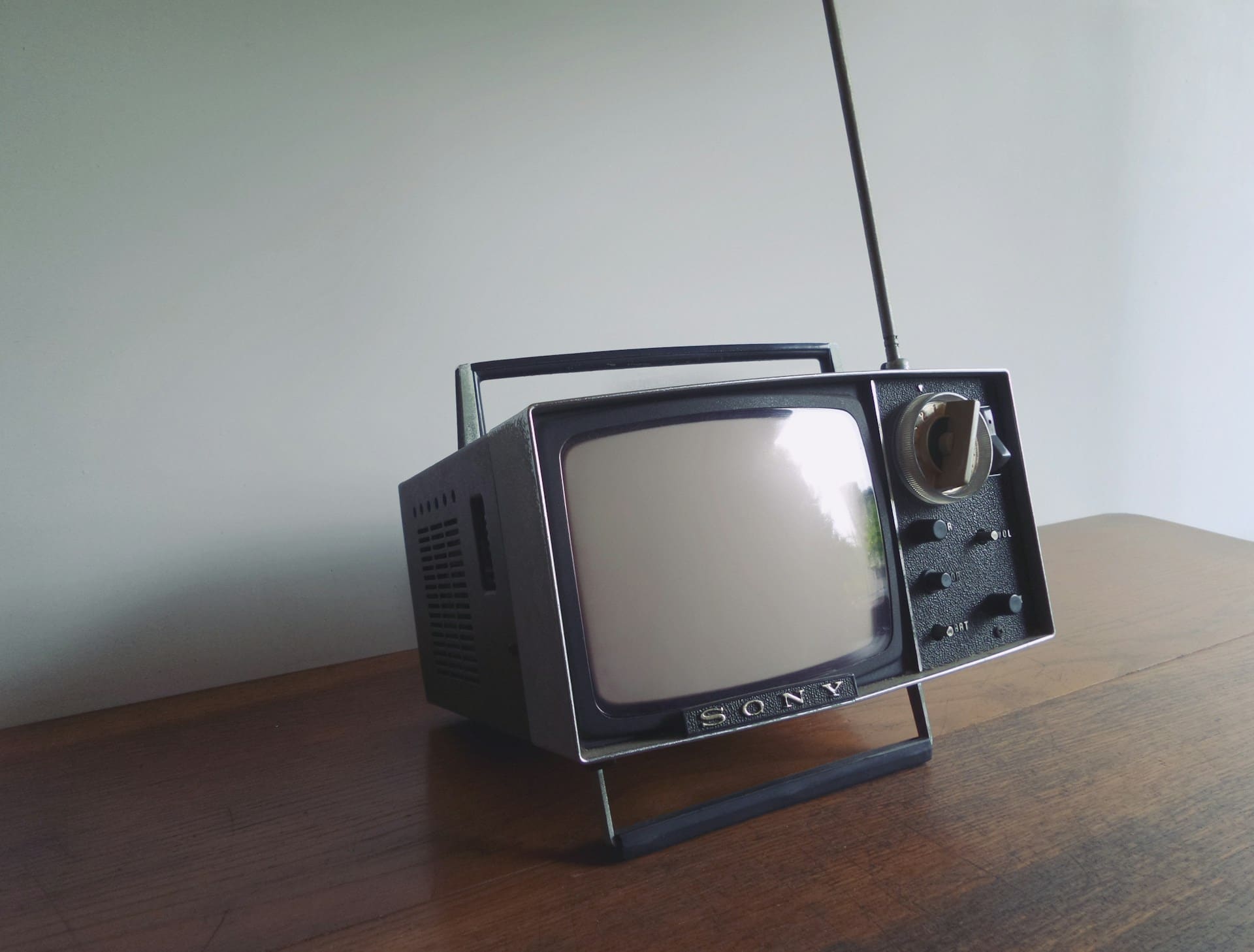
Sony and TCL have signed a Memorandum of Understanding (MoU) to move forward toward a strategic alliance in the home entertainment business, centered around the idea of creating a joint venture that would take over Sony’s “home entertainment” business. TCL would control 51% of the equity, while Sony would hold 49%.
The approach is ambitious in scope and timeline. If realized, the future company would operate on a global scale and cover the entire value chain: product development and design, manufacturing, sales, logistics, and customer service. The scope includes televisions and home audio systems, two categories where competitive pressure is intense in both technology (panels, image processing, sound) and industrial execution (costs, supply, distribution, support).
A Two-Stage Operation: Agreements in 2026, Launch in 2027
The MoU is not yet the “final contract.” Sony and TCL have indicated they will work to finalize binding definitive agreements before the end of March 2026. After that, the project will depend on regulatory approvals and other customary conditions in such deals. If everything aligns, the new company would begin operations in April 2027.
In other words: today’s picture is a commitment to negotiations, not a finalized deal. But it also signals clear intent. When two groups publish such a detailed framework — including percentages, operational scope, brands, and timelines — they are often communicating to the market that this move is more than exploratory.
Distribution of Strengths: Sony Contributes Brand and Know-How; TCL Brings Scale and Vertical Integration
The alliance design follows a classic logic: combining differentiation with scale.
- Sony would contribute its legacy in image and audio quality, along with brand value and operational experience — including supply chain management — accumulated over years in the premium segment.
- TCL would bring its industrial muscle: display technology, scale advantages, manufacturing footprint, cost efficiency, and a vertically integrated supply chain.
The implicit thesis is that, in a market where hardware tends toward commoditization in certain segments (price pressure, panel cycles, volume competition), the survival of an “aspirational” brand depends on maintaining margin and consistency without losing perceived differentiation. In this balance, manufacturing and logistics matter as much as image processing or acoustic design.
BRAVIA as a Strategic Asset: Products Continue to “Speak Sony”
One of the most relevant points for consumers — and for the channel — is brand continuity. According to the announcement, products from the new company could continue using the “Sony” and “BRAVIA” names. This is not a cosmetic detail: BRAVIA serves as a positioning badge on the shelf and in consumers’ minds, especially in mid-to-high-end ranges where trust weighs as much as technical specs.
From a business perspective, maintaining these brands suggests Sony aims to preserve“pricing power” (ability to sustain prices) and quality perception while reorganizing its business execution model.
Why Now: A Growing Large-Screen Market That Demands Extreme Efficiency
Sony and TCL frame the operation within a context of expanding large-screen TV market, driven by several factors: changing consumer habits, the rise of streaming and video platforms, evolution of smart features, and adoption of higher resolutions and bigger screens. It’s a growing market, but one where margins are tight, reliance on key components is high, and logistics efficiency is crucial.
This is why the release emphasizes “operational excellence” as a growth lever: by 2026, selling TVs is no longer just about “making an excellent panel”; it’s about manufacturing well, sourcing better, delivering quickly, reducing friction in returns, and scaling support.
Potential Industry Changes: More Alliances and a New “Made-to-Order” Manufacturing Model
If the plan materializes, it sends a clear message: even established brands with high recognition may adopt models where technological and experience differentiation are supported by partners with industrial scale and supply chain control. This trend could accelerate a pattern already emerging in consumer electronics: more collaborative agreements, reorganization of manufacturing capacities, and a sharper focus on the parts of the business that deliver sustainable competitive advantages.
It also raises important questions: how will the balance between product identity (what users associate with “Sony”) and cost optimization (needed for global competitiveness) be managed? Properly handled, this tension can strengthen the value proposition. Mishandled, it risks diluting the differential.
Frequently Asked Questions
What does it mean that TCL has 51% and Sony 49%?
This implies TCL would hold majority control of the joint venture, usually giving them greater decision-making authority in governance, while Sony would retain a significant stake to influence strategy, technology, and branding.
Will BRAVIA TVs and Sony-branded products still exist?
The announced intention is that products from the new company might continue using the “Sony” and “BRAVIA” names. If the deal closes, consumers should still see those brands in the marketplace.
When will we know if the joint venture actually happens?
The objective is to finalize binding agreements before the end of March 2026. After that, approvals and conditions will be assessed. The start of operations is projected for April 2027.
Will this affect the quality or support of TVs and audio equipment?
Operational details on products or after-sales services are not yet specified per country. However, it has been indicated that the new company would also manage customer support, in addition to manufacturing and logistics, suggesting a comprehensive overhaul of operations beyond just production.
via: sony.co.jp