
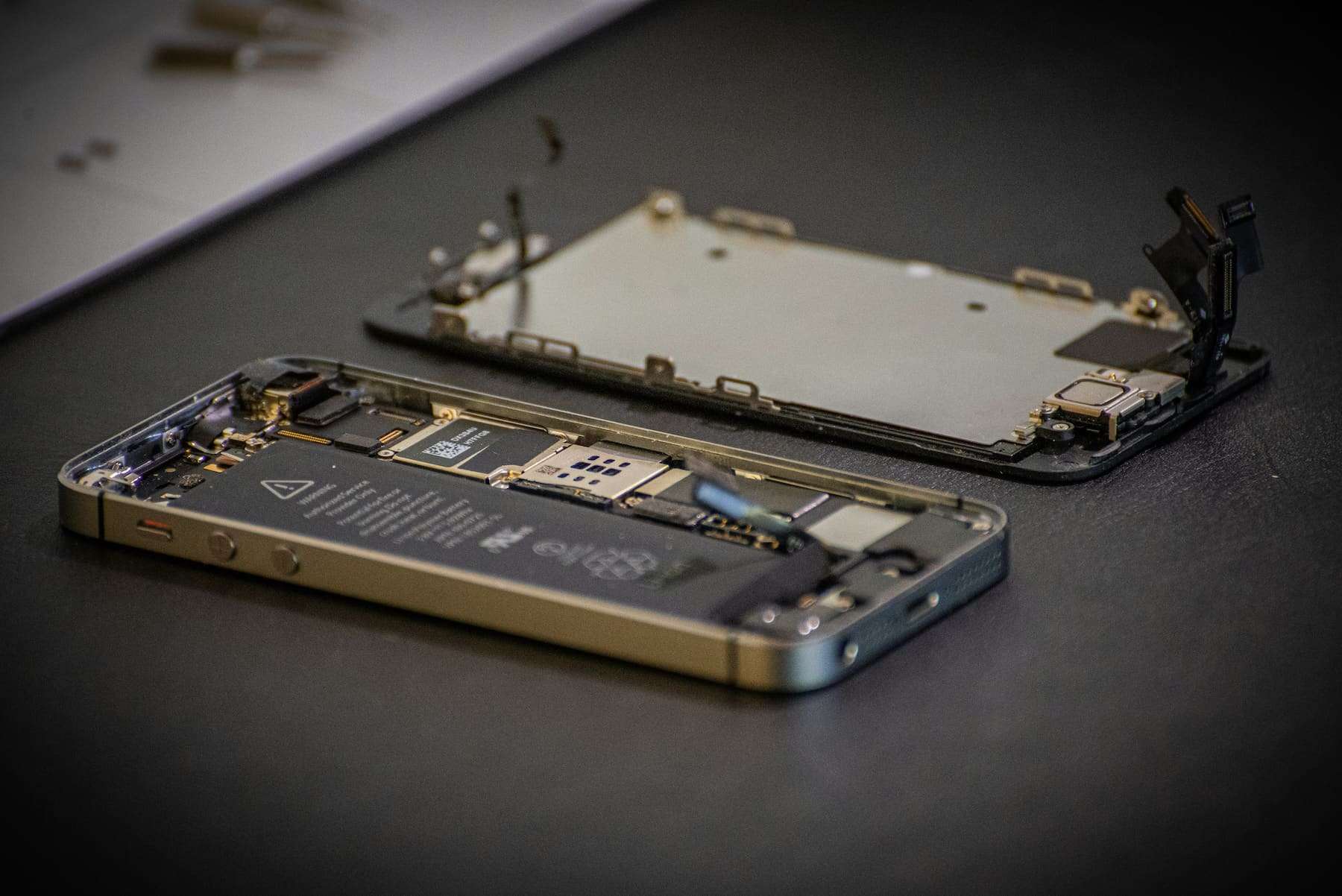
In the semiconductor industry, few components are as discreet and yet as critical as the memory that accompanies the processor. In 2025, this role is played by LPDDR5X, a low-power DRAM variant that has become a strategic component for the next generation of smartphones with on-device artificial intelligence features. According to various reports published in South Korea, Samsung Electronics has gained a leading position as the main supplier of this type of memory for the iPhone 17, a move with implications that go beyond the technical: it affects margins, industrial capacity, and the geopolitical dynamics of the supply chain.
The market’s interpretation is clear: Apple needs stable volume, consistent quality, and trouble-free deliveries for a product manufactured on a mass scale. In this scenario, the “invisible” memory has become a power factor.
A low-profile component but increasingly influential
For years, when discussing the “heart” of a mobile device, the conversation revolved around the processor. However, the shift to generative AI experiences — more capable assistants, on-device photo and video editing, real-time translations, and productivity tasks — raises the demand for memory, both in terms of capacity and energy efficiency. Maintaining performance without increasing power consumption and heat is a delicate equation, and here LPDDR (Low Power DDR) gains importance.
In this context, South Korean media point out that Samsung has secured most of the LPDDR5X supply for the iPhone 17, with industry estimates suggesting a share of around 60% to 70% of the total. Apple, as usual, does not disclose the exact breakdown by supplier, but the debate over who dominates the supply chain returns to the forefront for a simple reason: when a customer buys in huge volumes, they can influence the market.
Why Apple is turning back to Samsung (and what has changed from the past)
The move draws attention because of the complex history between the two companies. South Korean press recalls that, after patent litigations in the past decade, Apple diversified its supplier base. Over time, the landscape has shifted due to industrial factors: production capacity, delivery stability, and priorities of each manufacturer.
Today, the major structural change is that SK hynix and Micron have dedicated much of their focus and capacity to HBM memory, essential for AI accelerators in data centers — a rapidly growing sector. This commitment to HBM, according to analysis published in Korea, puts Samsung in a particularly strong position to fulfill massive orders of conventional DRAM and LPDDR, just as Apple needs to secure supply for an annual production that often reaches hundreds of millions of units.
Consistent quality and the challenge of large-scale production
The most repeated argument in the industry is not just who manufactures more, but who maintains consistency when dealing with tens of millions of chips. Apple imposes strict requirements —above industry standards— and penalizes any batch deviations, as detailed in these reports. That is, it’s not enough for the chip to perform well in the lab; it must perform equally well in sustained mass production.
Regarding Samsung, South Korean sources highlight specific features of its 12 GB LPDDR5X: a thickness of 0.65 mm and intergenerational improvements in thermal resistance (21.2%) and power consumption (25%). If these figures are confirmed consistently during production, they align with Apple’s focus on efficiency and long-term stability.
Memory costs are rising: from technical data to profit margins leverage
The most notable financial shift involves price. According to estimates cited by the media and market analyses, the 12 GB LPDDR5X module has increased from around $30 to nearly $70 in 2025. This jump effectively makes memory a component capable of significantly impacting the cost per unit of a premium smartphone.
This increase in cost has two interpretations:
- For Samsung, it suggests a tailwind for the profitability of the memory division, provided the company maintains manufacturing yields and balanced contracts.
- For Apple, it means managing a more strained bill of materials at a time when the market demands more memory to sustain AI features without degrading user experience.
Additionally, there are nuances about which models include this memory upgrade. While earlier reports indicated that the 12 GB variant would be limited to the Pro models, more recent information from Korea expands the focus to more versions in the iPhone 17 lineup. The result, in any case, is the same: more memory per device leads to higher overall demand.
The less obvious consequence: LPDDR aims to enter AI servers as well
The story doesn’t end with smartphones. Samsung is pushing the idea that low-power memory also plays a significant role in AI infrastructure, especially in scenarios where energy efficiency and bandwidth are as important as capacity.
Here appears SOCAMM2, a module format based on LPDDR5X aimed at data centers and AI servers. Samsung has introduced SOCAMM2 as a “serviceable” (replaceable) modular design for systems seeking higher bandwidth and lower power consumption compared to traditional solutions. Several specialized media place NVIDIA among the companies testing or integrating this type of modules into their roadmap.
For financial media, the key point is the following: if LPDDR advances into higher categories and becomes relevant in servers, Samsung broadens the “addressable market” for a technology already critical in smartphones. At the same time, the industry enters a phase where memory is fragmented by use case (HBM for training and acceleration; modular LPDDR for efficiency and specific loads; traditional DDR for installed bases), reorganizing investments, capacity, and negotiation power with major clients.
Frequently Asked Questions
What is LPDDR5X memory, and why is it so important in smartphones with Artificial Intelligence?
It is a low-power RAM designed to deliver high performance with less energy consumption. In smartphones with on-device AI functionalities, it supports demanding tasks without generating excessive heat or draining the battery.
Why could the increased memory in iPhones affect prices or margins?
Because RAM is a significant cost component. If modules like the 12 GB LPDDR5X become more expensive, manufacturers must absorb, renegotiate, or pass on that cost in the final product price.
What does it mean that Samsung is “the main supplier” for Apple’s memory?
It means that, based on industry estimates, Samsung supplies the majority of the volume for a key component. In mass-market products, this position can translate into recurring revenues, utilized capacity, and a competitive advantage.
Can SOCAMM2 change the memory market for data centers?
It could open a pathway to bring more efficient LPDDR memory into modular formats for AI servers, expanding options beyond traditional configurations and complementing HBM in acceleration tasks.
via: hankyung