
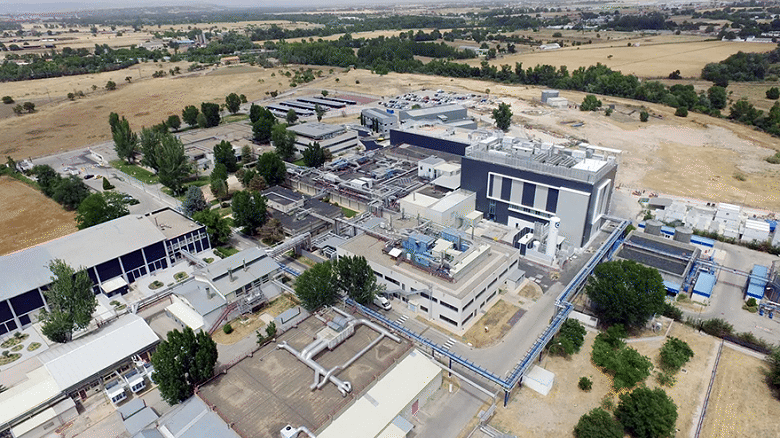
Pfizer has inaugurated its new Global Command Center in Madrid, a facility from which it will monitor in real time the transportation of medicines and vaccines across nearly 180 markets. The pharmaceutical company expects that this new model will reduce delivery times by between three and seven days and decrease logistical incidents and detours by 25%. However, these figures are projections provided by the company and will need to be validated once the system is fully operational.
The key points of Pfizer’s new global center in Madrid in 20 seconds
- International scope: it will oversee shipments of medicines and vaccines in approximately 180 markets.
- Main goal: to cut the total time from dispatch to delivery by three to seven days.
- Fewer incidents: Pfizer anticipates a 25% reduction in logistical problems, detours, and route modifications.
- Continuous oversight: Madrid will work in coordination with another center located in Chennai, India, to maintain continuous coverage.
- Controlled variables: temperature, location, delivery deadlines, geopolitical risks, transportation incidents, and market information.
- Use of artificial intelligence: the system will automate part of the temperature deviation assessments through AI and machine learning.
- An operations hub: these facilities are not a manufacturing plant or a warehouse but a global logistics coordination and monitoring station.
The new center marks a shift in how Pfizer organizes its international supply chain. Until now, a single delivery might have been managed by different teams and providers as it moved through factories, transporters, airports, customs, distributors, and destination markets.
The model the company seeks to implement consolidates end-to-end responsibility for each shipment. The Madrid team can track a shipment from its departure point to its destination, with a shared view of alerts, decisions made, and personnel responsible for resolving each incident.
This doesn’t mean that all physical operations pass through Spain. Products will continue to be shipped from Pfizer manufacturing plants and distribution centers in various countries. Madrid will oversee and coordinate their journey, much like an air traffic control center directs movements without storing or transporting aircraft.
This distinction is important because the announcement does not involve building a new pharmaceutical plant or a large central warehouse. The investment is mainly in people, processes, information systems, and tracking tools capable of gathering data from a highly fragmented supply chain.
Temperature, routes, and risks under real-time surveillance
Transporting a medicine requires more than just knowing the location of a vehicle. Each product must be maintained within specific conditions throughout the journey—including during layovers, carrier changes, customs clearance, and temporary storage.
Some vaccines may require temperatures as low as -70°C, while many solid medicines should be kept between 15°C and 25°C. Between these extremes, there are numerous refrigerated or frozen treatments, each with its own exposure limits and protocols. A punctual delivery can be compromised if the product spends too much time outside its authorized temperature range.
The Madrid center will receive data from thermal sensors, localization systems, and logistics platforms. When deviations are detected, the team can assess severity, notify responsible parties, and decide whether the shipment can continue, needs a reroute, or should be halted for quality inspection.
Pfizer already uses sensors to track temperature and location 24/7. The company also applies AI to analyze data for risk detection and to accelerate responses to distribution issues.
In this new center, AI will primarily automate initial assessments of temperature incidents. The system can compare collected data against product storage conditions, exposure time, and thresholds set by quality teams.
Final decisions about a medicine’s status should not be based solely on an algorithm’s judgment. Pharmaceutical regulations require documenting deviations and confirming whether product quality remains intact before authorizing distribution. Automation can streamline data aggregation and speed up analysis, but human and regulatory oversight remains essential.
The center will also monitor risks unrelated to temperature. International conflicts, border closures, strikes, weather events, port congestion, airspace restrictions, or customs changes can disrupt a route that was previously functioning normally.
Having a global overview enables seeking alternatives proactively—such as rerouting to another airport, switching operators, or prioritizing certain transits. Early risk detection increases the flexibility to act without impacting deadlines or product conditions.
Madrid and Chennai will share global oversight
The Spanish center will operate in coordination with Pfizer’s Chennai center in southern India. This setup allows teams to rotate shifts and maintain oversight of the network regardless of time zone differences.
Madrid will run in two shifts and take on a significant part of the global monitoring. Pfizer states it will be the largest operations hub within this model in the company. The company has not publicly disclosed the number of staff dedicated to the facility nor the investment involved in establishing it.
Choosing Madrid enhances the role of Pfizer’s Spanish subsidiary within the global organization. Its president in Spain, Carlos Murillo, linked this decision to the availability of professionals capable of managing complex, worldwide operations.
For a pharmaceutical company, consolidating functions in two locations promotes continuity but also necessitates preparing redundant systems. Technical failures, communication issues, or security incidents at either center should not disable the organization’s ability to track shipments.
Coordination between Madrid and Chennai must rely on shared procedures, synchronized data, and tools accessible from both sites. It’s also necessary to clearly define which team makes decisions when an incident begins in one shift and continues into another.
The center will handle sensitive data about medicines, destinations, routes, suppliers, and inventory levels. While not necessarily clinical data, these records are vital for supply continuity and safety. Ensuring robust cybersecurity against unauthorized access or cyberattacks will be critical for logistical resilience.
Delivering earlier also reduces inventory and costs
Pfizer estimates that the new model will cut end-to-end delivery times by three to seven days. The improvement will come not from faster transportation methods but from reducing wait times, handovers, and delays caused by exceptions management.
A pharmaceutical shipment can be held for hours or days while the responsible team resolves issues like incomplete documentation, thermal alerts, or customs holds. Centralizing information allows incidents to be directed immediately to the staff capable of resolving them.
The expected 25% decrease in incidents and detours will also generate cost savings. Rerouting often requires additional transportation, specialized packaging, prolonged use of containers, or increased inventory to buffer possible delays.
A more predictable route reduces the capital tied up in products in transit or awaiting clearance. In the pharma sector, this effect can be significant given the high value of many treatments and strict storage conditions.
The most tangible benefit occurs when medicines are scarce or needed urgently. In such cases, losing several days due to administrative or logistical issues can jeopardize hospital supplies, pharmacies, and healthcare systems.
The opening of the center doesn’t eliminate risks inherent to a global supply chain exposed to geopolitical crises, health emergencies, and transportation issues. However, it provides Pfizer with a vantage point to monitor the entire network and respond with more complete information.
Pfizer operates over 30 manufacturing sites and collaborates with more than 300 external suppliers. Its supply network reaches nearly 200 countries and employs around 30,000 people in manufacturing and distribution roles. In 2024, its medicines and vaccines reached over 414 million people, according to the company’s published data.
In such a large network, even minor percentage improvements can lead to thousands of deliveries managed more efficiently. The challenge for Madrid’s center will be transforming the volume of incoming data into actionable insights and demonstrating that Pfizer’s forecasts translate into sustained results.
Frequently Asked Questions
What is Pfizer’s Global Command Center in Madrid?
It’s an operational hub where the company will oversee and coordinate its international shipments of medicines and vaccines in real time.
How many markets will Madrid monitor?
The center will oversee shipments in approximately 180 markets worldwide.
Will Pfizer manufacture or store medicines at these facilities?
No. This is a logistics coordination hub, not a manufacturing or storage facility.
How will Pfizer use artificial intelligence?
AI and machine learning will assist in analyzing logistics data and in speeding up temperature-related incident assessments.
via: investinspain
