
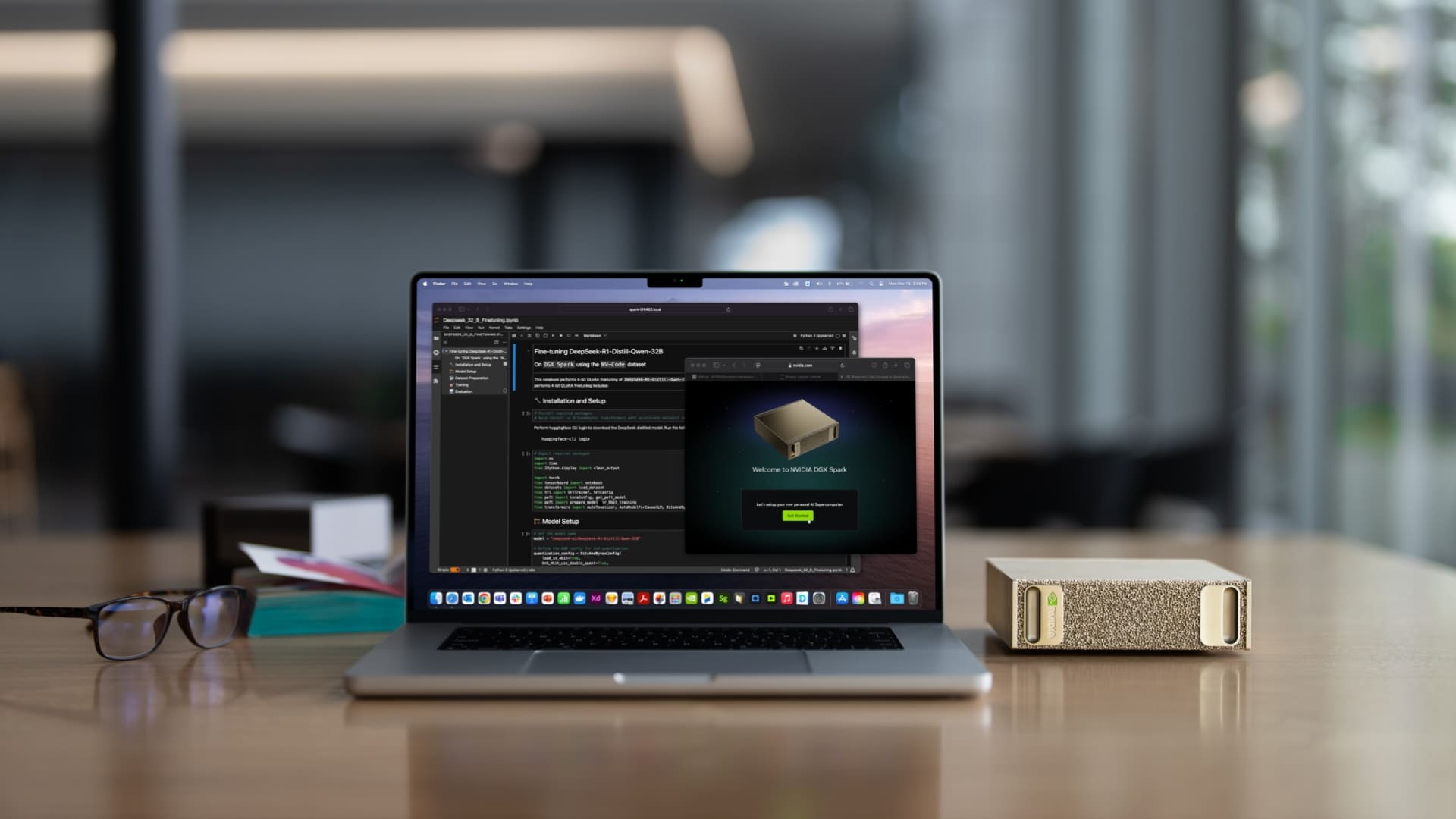
NVIDIA is preparing for its most ambitious comeback to the consumer PC market: laptop processors focused on AI—in system-on-chip (SoC) format—designed to drive a new generation of Windows devices. The move, previewed by several international media outlets, has a clear goal: break the status quo dominated by Intel and AMD in laptop CPUs, using a strategy NVIDIA knows well: integrating CPU + GPU in a single package with an “AI-first” vision.
According to published information, the first devices with these chips could arrive throughout 2026, led by manufacturers such as Dell and Lenovo. NVIDIA would adopt a dual strategy: on one side, a SoC built on Arm architecture (aiming for efficiency and battery life); on the other, agreements to team up with the x86 ecosystem where it remains relevant (including a collaboration mentioned with Intel on certain designs). The context is significant: in the current “AI PCs era,” whoever controls the silicon of the laptop also controls part of the future of software, batteries… and the channel.
From Graphics to the “Head” of the Laptop
NVIDIA has been synonymous with GPUs for two decades. But as AI grows, the boundary between “graphics” and “general computing” has blurred: today, the GPU is no longer just an accelerator; it’s an inference engine, a content creation tool, local assistance, and a hybrid workload partner. Returning to the PC with a proprietary CPU/SoC means, practically, trying to become the core of the laptop, not just an optional component.
The industrial logic is compelling: the laptop market moves tens of millions of units annually, and the PC is being redefined as an AI device. In this scenario, NVIDIA doesn’t want to depend solely on selling discrete GPUs (especially when efficiency and “all-in-one” solutions are gaining ground in ultraportables), but aims to capture a portion of the ecosystem where platform, drivers, energy, and sustained performance are decided.
The Plan: An Arm SoC with NVIDIA DNA (and partnerships to scale)
The move is backed by Arm for a very simple reason: efficiency. The promise is to build laptops that behave more like a “smartphone” in battery life and consumption, without sacrificing graphics muscle and AI capabilities. This aligns with the mentioned collaboration with MediaTek, a partner that specializes in designing and deploying low-power SoCs at scale.
Simultaneously, reports also suggest NVIDIA is exploring integration options with the x86 world (home to much of today’s Windows landscape), including a collaboration with Intel involving configurations that combine NVIDIA CPUs and graphics. It’s a pragmatic approach: accelerate adoption, reduce friction, and reach more segments.
N1 and N1X: Leaks Sketch the First Catalog
Although NVIDIA has not officially announced commercial names, leaks have brought two acronyms into focus: N1 and N1X. Back in January, references appeared in listings and support pages indicating that Lenovo would have several models ready, and Dell was also preparing at least a couple of devices around this platform.
Table — Laptops appearing in leaks associated with N1/N1X (2026)
(Models and designations based on listings/support leaks and tech press; these may change in the final announcement.)
| Brand | Series | Focus | Chip Mentioned in Leaks |
|---|---|---|---|
| Lenovo | Legion (gaming) | Performance/Gaming | N1X |
| Lenovo | Yoga 9 (2-in-1) | Premium & Mobility | N1 or N1X (depending on version) |
| Lenovo | Yoga Pro 7 | Productivity | N1 or N1X (depending on version) |
| Lenovo | IdeaPad Slim 5 (14”/16”) | Mainstream | N1 |
| Dell | “Premium 16” (possible XPS) | Premium | N1X (mentioned in reports) |
| Dell | Alienware (gaming) | Performance/Gaming | N1X (mentioned in reports) |
The list alone says a lot: if the debut includes a Legion and an Alienware, NVIDIA is not only targeting ultraportables; it also aims to appeal to users valuing sustained performance… and especially those who want local AI to be more than a demo—it should be a daily tool.
Main Challenge: Windows on Arm Compatibility… and Gaming
The opportunity is huge, but so is the risk. The long-standing Achilles’ heel of Windows on Arm hasn’t been the screen or battery but compatibility, especially with traditional software and demanding games. In other words: users might forgive a late performance on some apps; what they don’t forgive is buying a “powerful” laptop and then feeling limited by the ecosystem.
This is where NVIDIA’s credibility is on the line: if the company wants to sell gaming-capable laptops, it must demonstrate that the actual experience—drivers, graphics APIs, anti-cheat, compatibility, and stability—is up to the mark. It’s not enough to run benchmarks; the device must survive in the real world.
Another factor is price. Analysts cited in these reports warn that, for widespread adoption, the psychological barrier of around $1,500 (roughly) matters. If early models remain in the premium segment, NVIDIA will generate headlines but not volume.
Competitors: Intel and AMD Won’t Just Watch from the Sidelines
The move comes at an awkward moment for Intel and AMD:
- Intel has recently emphasized “AI in PCs” and new CPU families for laptops, along with its manufacturing and platform strategies.
- AMD has strengthened its presence in premium and high-performance laptops, pushing its own vision of local computing—incorporating AI—in portable devices.
And there’s a third player in the ring not to ignore: Qualcomm, which has already opened the door for Windows on Arm in modern laptops. If NVIDIA truly lands on the scene, the “club” will shift from being a mere experiment to a top-tier competition.
Short-term Signs to Watch in 2026
There are three milestones that could turn rumors into reality (or disprove them):
- Formal chip unveiling: NVIDIA’s big annual event (GTC) and anticipation of “surprise” silicon announcements.
- OEMs and schedule: Dell and Lenovo will set the tone for deployment—number of models, price ranges, and real availability.
- Ecosystem: Graphics drivers, compatibility, and performance in key applications (content creation, gaming, productivity) will determine if this signifies an era leap… or just an expensive curiosity.
Frequently Asked Questions
What are the NVIDIA N1 and N1X chips for laptops, and why do they matter?
They are names mentioned in leaks and reports for a new SoC/CPU platform aimed at Windows laptops with an AI focus, through which NVIDIA seeks to compete against Intel and AMD in the “brain” of the laptop.
Will these laptops run Windows on Arm, and what does that mean for software compatibility?
Reports point to Arm architecture as part of the strategy, which typically offers efficiency advantages but also presents challenges in compatibility and performance with certain apps and especially some games.
Which brands might be first to launch NVIDIA-powered laptops?
Leaked information mentions Dell and Lenovo as clear candidates, with various families like IdeaPad, Yoga, Legion, and potentially Dell’s XPS and Alienware series.
When might the first laptops with these chips hit the market?
Sources suggest launches could happen in 2026, though the exact timeline will depend on official announcements, availability, and manufacturer agreements.