
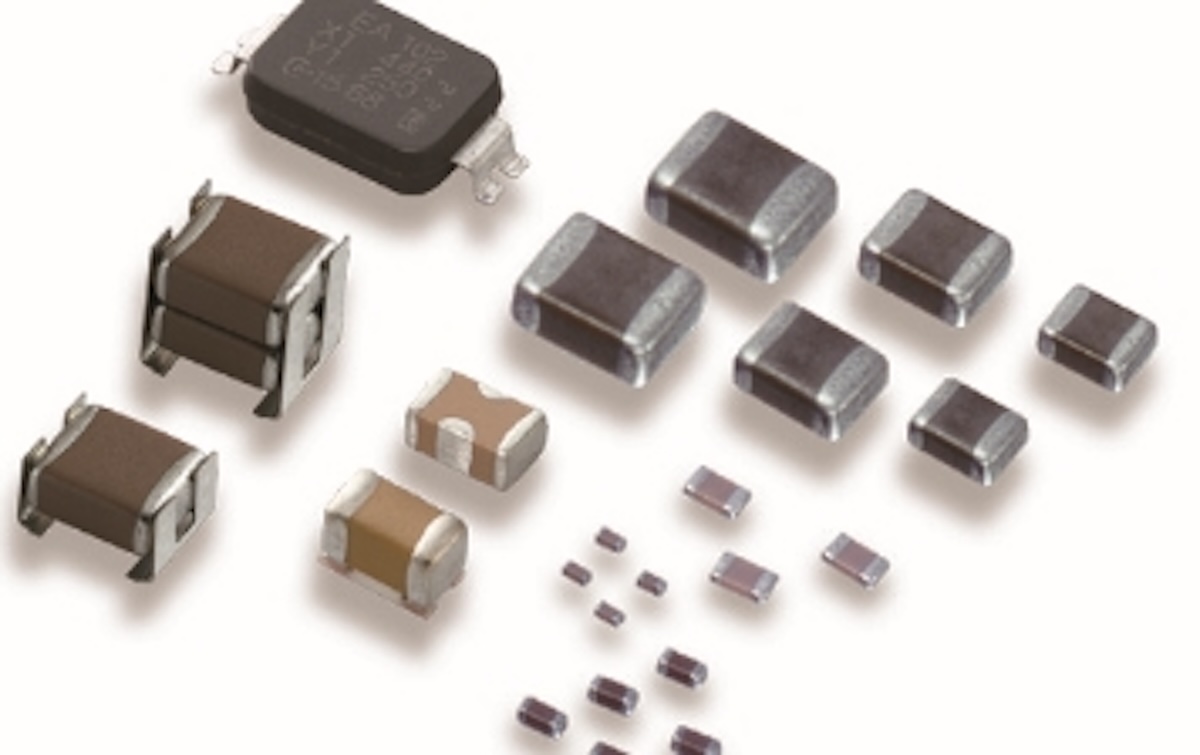
The technology supply chain is exhibiting a new sign of tension. After months of pressure on memory modules, logic chips, and components linked to artificial intelligence infrastructure, now passive components are beginning to shift. According to information published by TrendForce based on a report from Liberty Times, Murata Manufacturing will implement a price adjustment starting April 1, 2026 on several families of key components, a move that could lead to higher costs for manufacturers in electronics, automotive, and industrial equipment sectors.
This is no minor detail. Murata isn’t a peripheral market player; it is one of the most important names in the global passive components ecosystem and a significant supplier in high-value supply chains. Although the current adjustment isn’t directly targeting all standard MLCCs in the market, the broader context points to increased tension: the strong demand for high-end components for AI servers, ASICs, and more energy-intensive systems is boosting capacity utilization among major Asian manufacturers and beginning to influence prices across various categories.
Which products are going up and why does it matter
According to information gathered by TrendForce, Murata’s price increases will affect from April 1 Multilayer Chip Ferrite Beads, Multilayer Ferrite Power Inductors, Multilayer RF Inductors, and Multilayer Common Mode Choke Coils. The explanation provided in that same report cites the rising cost of silver, a material widely used across various industrial and technological sectors, with demand growing due to the expansion of solar energy, electric vehicles, semiconductors, AI devices, and medical equipment.
Although the headline mentions Murata and these four specific categories, the market interprets it as a broader development: a new escalation in passive component pricing amid mounting pressure on advanced electronics. Indeed, Bloomberg had already reported in February that Murata was engaging in internal discussions about a possible price increase for its high-performance MLCCs used in AI servers, with company president Norio Nakajima noting they were assessing the “real demand” for AI before deciding on the extent of any hike.
This detail is significant because it directly links the current announced changes to a structural phenomenon: the shift in technological demand composition. Murata admits in its integrated report that demand from the IT infrastructure sector, including AI servers, has surged and is expected to become one of its main growth engines in the coming years. The company also states that, in its mid-term strategy, it aims to strengthen its position in areas like capacitors, inductors, and power systems for AI servers.
AI is driving high-end products while traditional consumer demand cools
The market snapshot provided by TrendForce helps clarify why these price hikes are happening now. In its February analysis of the MLCC market, the firm suggests that in Q1 2026 there is a pronounced polarization: while mid- and low-end segments linked to consumer electronics remain weak, demand for high-end MLCCs is rebounding strongly due to investments in AI infrastructure, particularly in platforms like NVIDIA GB200/300 and the aggressive development of ASICs by major cloud providers such as AWS and Google.
According to that analysis, this pressure has led Murata, Samsung Electro-Mechanics, and Taiyo Yuden to operate at utilization levels exceeding 80% on their relevant high-end lines. TrendForce adds that Murata projected quarterly growth of between 20% and 25% in high-end MLCC orders in the first quarter of 2026, enough to keep their lines fully booked.
The practical outcome is clear: the market is splitting into two speeds. On one hand, a portion of the tech business remains hampered by weakness in smartphones, laptops, or more price-sensitive consumer products. On the other hand, AI infrastructure is absorbing premium components and constraining availability among well-positioned manufacturers in that segment. In this environment, price increases cease to be an anomaly and start to appear as a natural reaction to supply and demand dynamics.
What might happen next in the sector
The market assumes Murata won’t be acting alone. TrendForce reports that Samsung Electro-Mechanics is also preparing its first round of price hikes in April, and other manufacturers from Taiwan and China could follow suit if Murata’s adjustment becomes established. This pattern aligns with typical passive component behavior: when a global leader begins passing costs along and supply-demand balance becomes tight, other players gain room to review their pricing, especially in segments where substitution isn’t straightforward.
For end-product manufacturers, this could mean additional pressure at a time when they are already contending with higher costs in memory, storage, advanced PCBs, and AI chips. And while consumers might not see the immediate impact, profit margins will feel it quickly in categories where material lists have become more complex and energy demands higher.
This is likely the overarching message: AI isn’t just increasing the cost of GPUs or large servers. It’s also affecting the price and availability of much less visible but equally essential components that keep these systems running. When a supplier like Murata moves prices, the ripple effect seldom stays confined to a single family of components.
Frequently Asked Questions
What exactly has Murata announced?
According to the information published by TrendForce, citing Liberty Times, Murata will implement price adjustments starting April 1, 2026, on ferrite beads, power inductors, RF inductors, and multilayer common mode choke coils.
Does the increase directly affect all MLCCs?
Not publicly announced in the referenced report. However, Bloomberg had already reported in February that Murata was studying hikes on high-performance MLCCs used in AI servers, placing the current announcement within a broader passive component market tension.
Why are these components increasing in price?
The immediate reason cited is the rising cost of silver. However, the broader context is the high demand for advanced components for AI infrastructure, electrified vehicles, and other industrial applications.
How does this relate to AI servers?
TrendForce states that demand for high-end MLCCs remains very strong, driven by investments in NVIDIA’s GB200/300 servers and ASICs from major cloud providers like AWS and Google, which has increased capacity utilization among leading Japanese and Korean manufacturers.
via: Liberty Times