
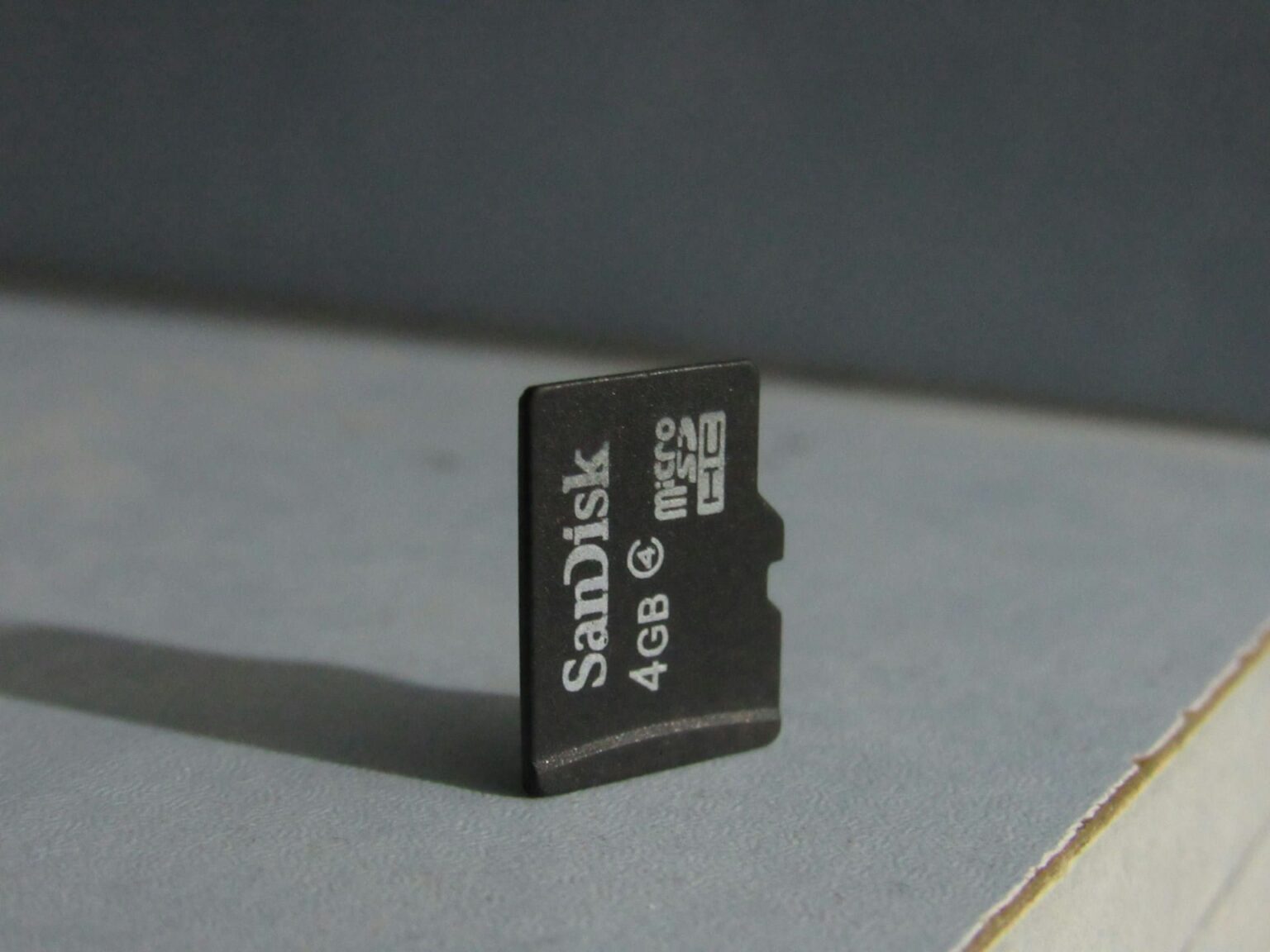
The scene seemed outdated: microSD card slots disappearing from most smartphones—especially in mid-range and flagship models—in favor of cleaner designs and increasingly generous internal storage. But the explosive combination of artificial intelligence on mobile devices and rising memory prices has changed the rules of the game. So much so that several manufacturers are already considering reversing course and bringing back the microSD as a way to help contain costs.
The signal has come, of course, from China. On the social media platform Weibo, highly followed industry leakers suggest that various manufacturers are seriously evaluating reintroducing microSD slots in budget and mid-range models starting in 2026. The reason isn’t technological nostalgia, but pure economic survival: memory has become one of the most strained components in mobile hardware.
DRAM Skyrocketing: AI Drives Up Memory Costs
The root of the problem lies in DRAM, the RAM used in smartphones, PCs, and servers. Demand has soared due to the AI race: data centers packed with GPUs, “AI-ready” PCs, and mobiles beginning to run generative AI models locally—all competing for the same resource.
Analysis firms like TrendForce report increases of more than 75% year-over-year in DRAM contract prices for Q4 2025, with a direct impact of 8–10% on the total manufacturing cost of an average smartphone.
In circulating forums, a vivid example was given: a 12 GB LPDDR5X module, which cost around $33 at the start of the year, could be approaching $70 by the end of 2025. This isn’t just trivia—memory (RAM + storage) can account for 10% to 20% of a device’s bill of materials (BOM). With already tight margins—especially in mid-range and entry-level segments—the impact is brutal.
Cutting back on RAM isn’t straightforward. Local AI demands more memory—and speed—to run complex models, manage multiple apps simultaneously, and prevent slow or unstable experiences. No one wants to ship a 2026 “AI smartphone” with just 4 GB of RAM.
Storage, however, offers more flexibility.
Less Internal Storage… and the Return of the microSD Slot
Some manufacturers are clearly weighing a strategy: reduce baseline storage (for example, from 256 GB to 128 GB or even 64 GB) and compensate by reintroducing the microSD slot. It’s a way to keep the final device price down without touching the critical RAM, which is vital for performance and AI capabilities.
This approach works especially well in lower and mid-range tiers, where every euro counts and most global sales are concentrated. Offering a 64 GB model with a microSD slot enables maintaining an attractive retail price with the option for users to expand storage externally if needed.
The likely scheme from 2026 could be something like this:
- Entry models with 64 or 128 GB + microSD slot.
- Higher-end versions with 256 GB or more, also with microSD but at significantly higher prices.
- Flagship and premium models maintaining generous internal storage (256–512 GB or more), possibly without a microSD slot to prioritize design, waterproofing, and maximum speed.
The 2026 microSD Is Not the Same as in 2015
Another important factor: cards have evolved. Today, we’re not just talking about classic microSDs but standards like microSD Express (SD 7.1), capable of reaching read speeds up to 800 MB/s and write speeds around 700 MB/s, as shown by recent models from brands such as ADATA and Samsung.
This performance, supported by PCIe interfaces and NVMe protocols, brings the experience much closer to internal UFS memory found in modern phones. It’s not identical, but the performance gap narrows—especially for the average user who mainly uses microSDs for photos, videos, downloads, and multimedia content.
Practically, a budget phone with 64 GB internal storage and a 256 or 512 GB microSD Express card could provide a reasonably smooth experience for mass storage needs without significantly increasing the device’s cost.
User Benefits and Drawbacks
For consumers, the possible comeback of microSD cards has clearly positive aspects:
- More choices: Buy a cheaper device and expand storage whenever and however you want.
- Reusing: Repurpose old cards from previous devices, cameras, or consoles.
- Lower cost per gigabyte: A 512 GB or 1 TB microSD is often cheaper than paying a premium for similar internal storage options.
However, there are technical considerations to keep in mind:
- Uneven performance: Even fast microSD cards won’t match the consistency of internal storage for demanding apps or games.
- Reliability and fragmentation: Removing and swapping cards, or using cheap models, increases the risk of data corruption and loss.
- Android limitations: Although improvements have been made, not all apps manage external storage equally well, and some manufacturers restrict features (like installing full apps on microSD).
Ultimately, success depends on how manufacturers present the experience: if they promote the microSD as a content-only supplement (photos, videos, offline copies) while keeping core apps and system data on the internal storage, the approach can work with minimal frustration.
Expensive AI Phones… and Budget Models at the Edge
Meanwhile, the memory cost surge is also impacting the high-end segment. Recent reports suggest that even major brands like Samsung are debating whether to maintain generous RAM and storage configurations for future “AI phones”—like the anticipated Galaxy S26 series—or to raise entry prices further to offset memory costs amid the AI frenzy.
In this context, the return of microSD isn’t just nostalgic—it’s a strategy to prevent the mid-tier market, which drives overall sales, from becoming prohibitively expensive.
Passing Trend or Structural Change?
The big question is whether this potential microSD revival will be a temporary patch during the “shock” of high prices or lead to a more permanent shift in smartphone design.
If DRAM shortages persist—many analysts believe prices will remain elevated for years, as chip giants prioritize more profitable AI-related memories—the pressure to reduce internal storage will continue. In that scenario, microSD slots could once again become standard in low- and mid-range devices, especially in emerging markets where affordability is key.
In any case, this move fits a broader trend: 2026 could see smartphones become smarter thanks to AI… but also more expensive internally. Faced with a choice between sacrificing features or offering users a familiar solution like microSD, many manufacturers seem to believe the latter hurts less.
Frequently Asked Questions
Why are memory prices in smartphones rising so much?
Mainly due to two factors: the recovery of demand after years of sluggish sales and, above all, the surge of artificial intelligence, which consumes huge amounts of DRAM memory in data centers, PCs, and mobile devices. Big chip manufacturers have scaled back capacity in less profitable products and are prioritizing high-margin memories, squeezing supply and driving prices up.
Does it make sense to buy a phone with 64 GB if it has a microSD slot?
It depends on usage. If you install only a few large apps and mainly store photos, videos, and files, a 64 GB model with a microSD can suffice if paired with a 128–256 GB card. However, for demanding gaming, 4K/8K video recording, or intense local AI tasks, internal storage of 128 GB or more is advisable.
What advantages does a microSD Express offer over traditional microSD?
microSD Express uses PCIe and NVMe interfaces, enabling much higher read/write speeds—often hundreds of MB/s. This minimizes bottlenecks when transferring 4K videos, large multimedia libraries, or gaming data. While it brings the experience closer to internal UFS storage, it’s not identical.
Will microSD slots return in flagship models too?
Less likely. Flagship devices tend to prioritize design, waterproofing, and maximum speed, often justifying the absence of microSD to facilitate large internal storage (256–512 GB or more). The most probable return of microSD will be in low- and mid-range devices, where cost and expandability matter most.
Sources: elchapuzasinformatico, wccftech, and Weibo