
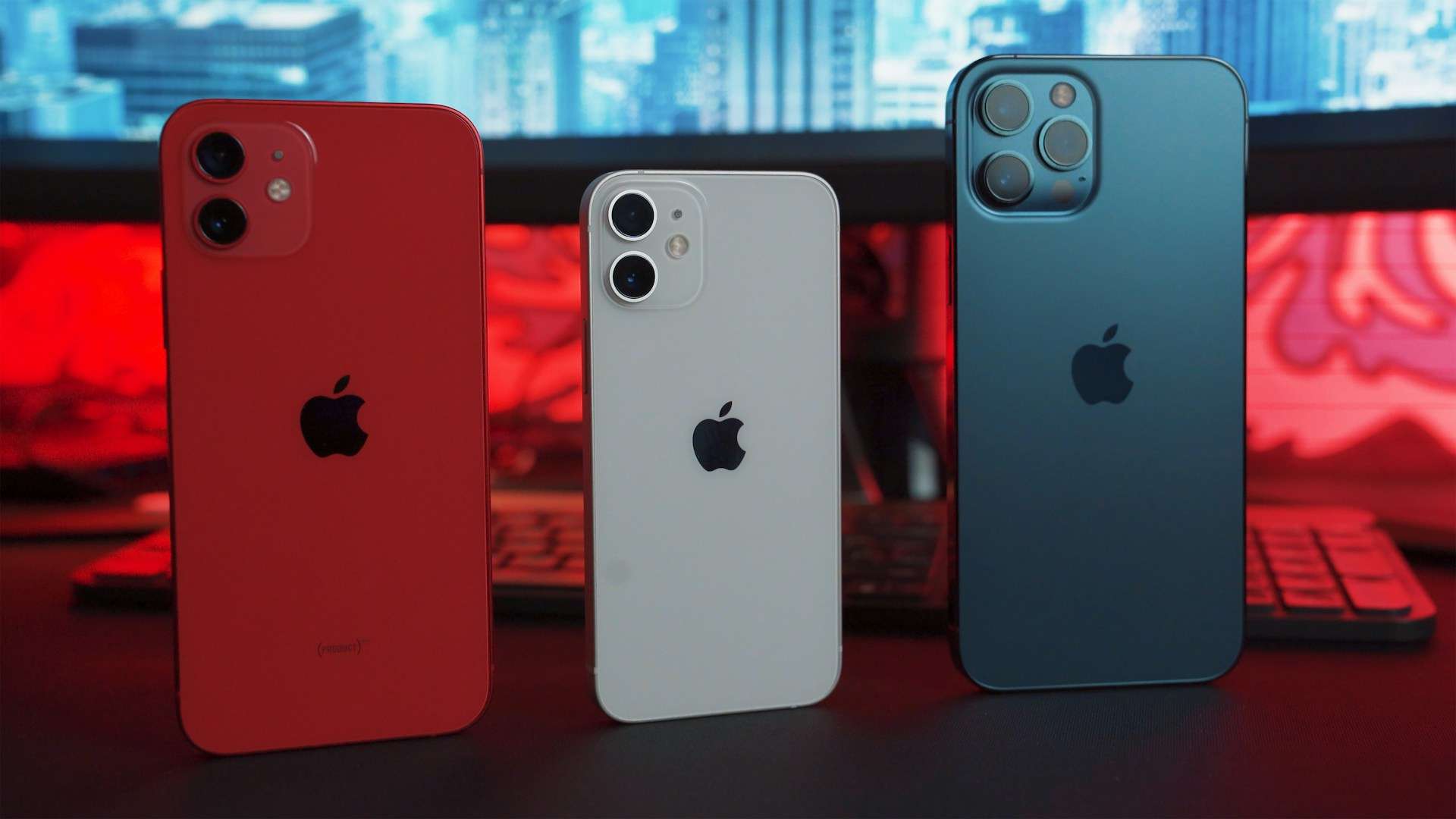
The smartphone—once a product that seemed to have learned to live with slim margins and constant improvements—faces an unexpected slowdown: memory. The combination of supply tensions and a price surge in DRAM and NAND Flash—two components invisible to consumers but crucial to the final cost—is pushing manufacturers into a new round of tough decisions: raise prices, cut features, or reduce their catalogs.
The latest forecasts point to a direct hit to demand. Various analyses already predicted at the end of 2025 a contraction in the global smartphone market in 2026, especially impacting entry-level models, where increased component costs are more noticeable due to less margin for absorption. In the sub-$200 segment, Counterpoint estimated total material cost (BoM) increases of 20% to 30% over the past year, explaining why the cheapest models are the first to wobble.
But the scenario has become even more severe in 2026. According to recent projections cited by several media outlets, based on Counterpoint data, global smartphone shipments could drop by 6.1% year-over-year this year, while SoC (the key chips powering phones) shipments might fall by 7% compared to 2025. It’s not just volume: it’s a shift in balance. Fewer units will be sold, but each unit is likely to be more expensive.
Why are DRAM and NAND prices rising so much? The Extended Shadow of AI Infrastructure
The background of this crisis isn’t solely about mobile devices. The race for Artificial Intelligence—particularly in data centers—is reshaping industrial priorities. Major memory manufacturers are shifting capacity towards higher-margin products, like HBM (high bandwidth memory) used in AI accelerators, which leaves less availability for “classic” memories ending up in smartphones and other consumer devices.
The result is a domino effect: less supply in consumer segments, greater price tension, and consequently, more aggressive design decisions. In January, Reuters reported that memory product prices had skyrocketed significantly, with additional increases expected in early 2026—around 40% to 50% in some cases. Simultaneously, industry executives have warned that this shortage might not be a short-term blip; the impact of scarcity could extend into 2027.
Memory is no longer “just a component”: it impacts the cost of mobile phones
For years, the industry narrative was clear: more memory and storage at the same or lower price. That “gift” is running out. Analysts now point out that DRAM and NAND have become “central cost drivers” of the smartphone.
In the high-end segment, this is clearly visible. Some estimates suggest that memory and storage account for around 20% or more of the total material cost in flagship Android phones with configurations of 12 GB to 16 GB RAM and 512 GB to 1 TB storage. That figure is changing the conversation: it’s no longer just about adding capabilities for marketing, but deciding how much can be included without breaking the final price.
And in the lower segment, the problem is even more acute. When a significant part of the cost rises, manufacturers have fewer options: raise the price (risking sales), cut memory/storage (risking reputation and user experience), or reduce model varieties and focus on fewer variants.
Winning and losing in mobile chips: Apple declines, Google rises
The crisis doesn’t affect everyone equally. In fact, it’s redrawing the competitive landscape for smartphone chips. Industry forecasts suggest that suppliers heavily dependent on 4G and entry-level markets will take the biggest hit.
Among those most impacted is UNISOC, which is estimated to see a 14.2% decline in SoC shipments in 2026, mainly due to its reliance on “budget” markets where any cost increase is lethal. Major Android players like MediaTek are expected to see declines of around 10%, and Qualcomm about 8.8%, weighed down by weak volumes in mid- and low-range segments, although their premium platforms could help cushion the impact.

On the other hand, the story differs for companies that better control their supply chain and have their own silicon strategy. Google emerges as the clear “winner”: shipments of SoC are expected to grow by 18.9%, supported by differentiation through AI and expansion beyond their traditional markets. Samsung is projected to see a 7.3% increase, while Huawei/HiSilicon could gain 4%, thanks to more vertical integration and a stronger focus on high-end segments where margins can better absorb cost increases.
Even Apple, traditionally shielded by its control over design and premium positioning, wouldn’t be immune: its SoC shipments are projected to decline by 4.4%, aligned with the overall market downturn and the impact of higher hardware prices.
Fewer units, more value: the paradox of 2026
The most striking thing is that, despite the slowdown in shipments, the SoC business may not necessarily suffer in revenue. Counterpoint offers a different perspective: the market continues “climbing the value curve.” Premiumization—more expensive phones with more features and computing demands—remains strong, with expectations that nearly one in three smartphones will cost over $500 in 2026. The integration of AI functions directly on devices (without always relying on the cloud) supports this trend, especially at the high end, where AI performance peaks around 100 TOPS.
The cost is that many mid-range brands might be forced to “outsource” some AI to the cloud to contain costs, while low-end models will focus on simply surviving without the final price soaring.
Ultimately, the memory crisis isn’t just about more expensive components: it’s about redesigning entire commercial strategies. And if forecasts hold, 2026 could be remembered as the year the supply chain—rather than the camera or screen—set the tone for the smartphone industry.
Frequently Asked Questions
Why does the rise in DRAM and NAND make cheap phones more expensive than premium ones?
Because in the entry-level segment, there’s less room to absorb increases: a small bump in components significantly impacts the final price.
Which brands are better positioned to withstand a memory crisis in 2026?
Those with tighter supply chain control and a focus on high-end segments—where margins are higher—tend to suffer less from the impact.
Can the memory shortage lead to reduced RAM and storage in mid-range phones?
It’s one of the options being considered: adjusting specifications or reducing variants to control costs and simplify production.
When might the smartphone market stabilize after the memory pressures?
Several analyses suggest a clearer recovery starting in 2027, when supply tensions ease and prices stabilize.
via: counterpointresearch