
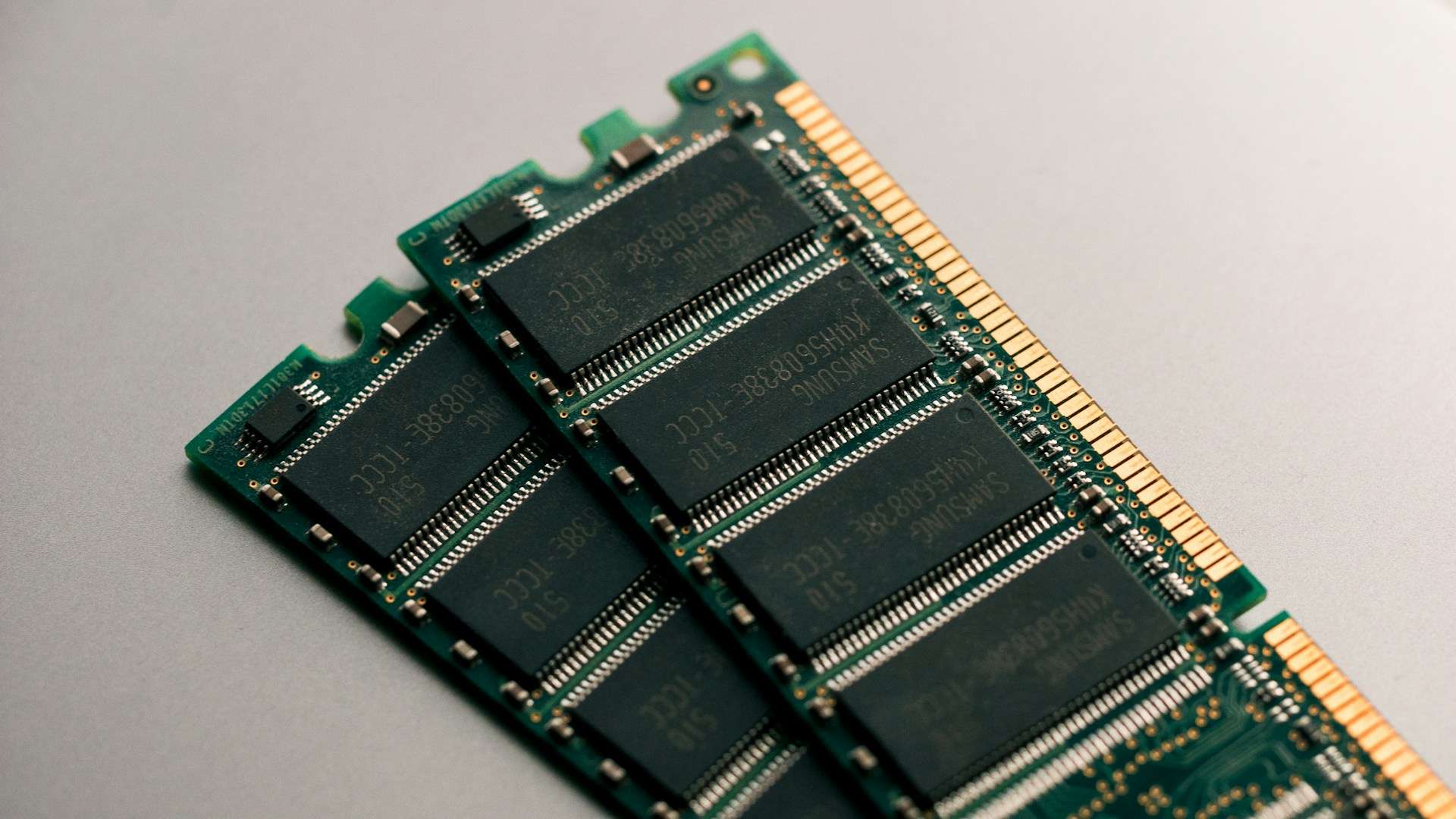
Personal computer manufacturers are gearing up for a challenging 2026. Industry reports indicate that leading PC assemblers are planning price increases of up to 20% on their new models, driven by a perfect storm: a severe shortage of “conventional” memory chips — DRAM and NAND for RAM and SSDs — caused by the AI boom and data centers.
While major suppliers shift more production capacity toward high-margin AI server memory, the consumer market faces less availability… and rising prices.
Artificial Intelligence Eats Up the World’s Memory
AI-focused data centers have become true memory consumers. Every training or inference cluster requires massive amounts of DRAM and, especially, cutting-edge HBM memories, which are much more profitable for manufacturers than DDR4 and DDR5 modules for personal computers.
The result is a capacity shift: large foundries and chip makers prioritize orders from cloud giants and AI companies over batches intended for laptops, desktops, or office workstations. Several market analyses already warn that eleven years of relatively stable SSD and RAM prices could be coming to an end; some even speak of an “apocalypse of prices” for storage if this situation persists.
Troubling Signs: DDR5 Price Hikes and Crucial’s Exit
In recent weeks, warnings have mounted pointing to a structural problem, not just a temporary setback.
On one hand, industry sources cited by financial media predict aggressive price hikes in DDR5: prices could increase between 30% and 50% per quarter starting late 2025 if current demand sustains. In DDR4, price increases of over 30% have already been observed in some models due to reduced supply from major manufacturers.
On the other hand, Micron has announced it will cease its long-standing Crucial brand, popular among advanced PC builders and enthusiasts, to focus all resources on data center clients and higher-growth segments, clearly linked to AI. The company will stop shipping Crucial products — consumer RAM modules and SSDs — to distributors by late February 2026.
The message is clear: domestic consumers are no longer a priority for some major memory providers, just as chip demand in the server sector surges.
2026 PCs: More Expensive for the Same Hardware
In this context, leaks from the channel suggest that leading PC manufacturers are raising their price lists for the 2026 generation. Industry reports mention increases of up to 20% in the final price of many models, especially configurations with 32 GB or more of RAM and high-capacity SSDs.
The issue isn’t just memory costs: supply uncertainty also plays a role. Some OEMs have reportedly received warnings that the availability of certain DDR5 chips will be “intermittent” in 2026, forcing them to stock up months in advance at higher prices. This results in:
- Mid-range laptops that could rise from €899 to €1,050–€1,100 with the same configuration.
- Desktop gaming and content creation machines where upgrading to 64 GB of RAM becomes a luxury, not just a reasonable upgrade.
- Fewer aggressive promotions during campaigns like back-to-school or Black Friday, as margins come under pressure.
Manufacturers Under Pressure and Disconcerted Consumers
PC manufacturers find themselves in a tricky position. On one side, they need to keep prices competitive against rivals who buy memory elsewhere or have preferred supplier agreements. On the other, they can’t indefinitely absorb double-digit cost increases without passing them on to consumers.
Some strategies under industry consideration include:
- Adjusting base configurations (offering 8 GB instead of 16 GB, for example).
- Promoting models with less SSD capacity but more cloud storage options.
- Enhancing “pro” or “creator” lines, where customers are willing to pay more for abundant memory.
For end users, the situation is confusing. After years in which adding 16 or 32 GB of RAM barely increased the cost of a PC, the opposite effect is now starting to be seen: memory prices fluctuate almost weekly, and in some markets are practically sold “at market rate.”
Should You Rush to Buy a PC?
Memory market analysts warn that current tensions could extend at least until 2027—especially if major AI providers maintain their investment pace in new data centers. Some enterprise equipment manufacturers already talk about cumulative increases of 30% in 2024 and another 20% in 2026 for certain memory components.
For consumers or professionals needing to upgrade, the prudent advice is clear: if you genuinely need a new PC and find a unit with good RAM and SSD configuration at a reasonable price, it’s probably best not to wait in hopes of prices dropping — they might just go higher.
Conversely, those considering an upgrade for non-essential reasons (like moving from 32 GB to 64 GB without necessity) should evaluate whether now is the optimal time.
An Added Risk for the Digital Divide
The rising costs of computers, educational laptops, and entry-level devices come at a sensitive time, as many countries aim to reduce the digital gap and expand access to technology. If basic devices become too expensive, plans to upgrade schools, universities, and low-resource households may slow down.
At the same time, AI itself, which drives this problem, could eventually serve as a long-term solution: more efficient models may require less memory per task, easing pressure on data centers and helping to stabilize the consumer market. However, for now, the visible effect is the opposite: more expensive memory, less supply… and notably pricier PCs in 2026.
FAQs About PC Price Increases Due to Memory Shortages
Why is there a RAM and SSD shortage in 2025–2026?
Mainly because manufacturers are allocating most of their capacity to memory for AI data centers, which are much more profitable than consumer modules. This reduces supply for PCs and drives up DRAM and NAND prices.
How much might PC prices increase in 2026?
Industry reports indicate increases of up to 20% on new models, especially configurations with more RAM and SSDs. The final impact will depend on each manufacturer and actual market developments.
Does it make sense to buy a PC before 2026?
If you need one and find a system with good memory at a fair price, it may be wise to buy sooner rather than later. There are no guarantees prices will drop soon, and current trends suggest they might rise.
When might the consumer memory market normalize?
Some analysts project tensions lasting until 2027, but it will depend on how much actual demand for AI memory grows and how much manufacturers invest in expanding capacity for consumers. For now, scarcity and high prices are expected to persist.
Sources:
Digitimes Asia; Tom’s Hardware; Reuters / Economic Times Telecom; Tech in Asia; NDTV Profit; sector market analysis on DRAM and NAND.