
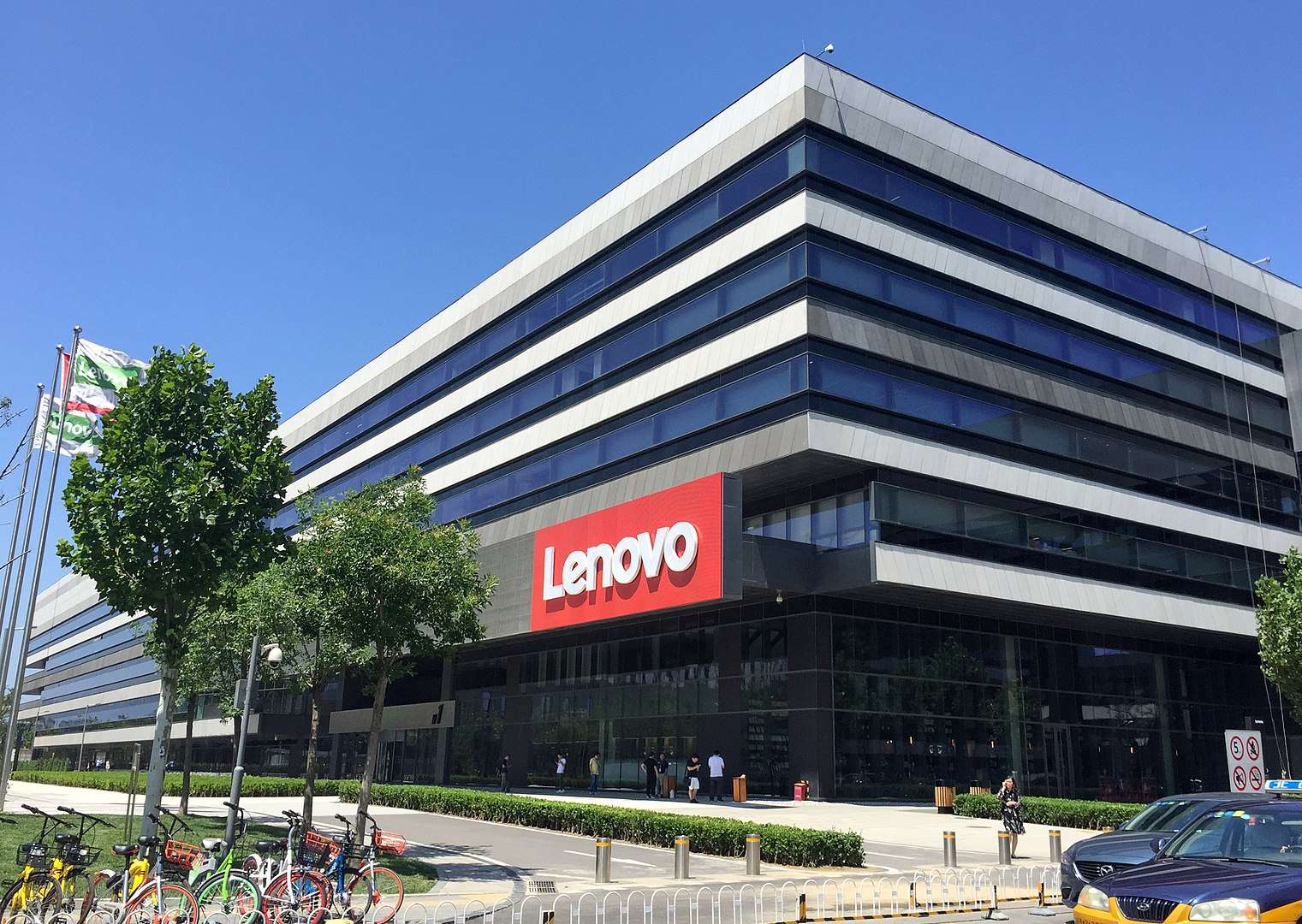
Lenovo has announced new infrastructure and services aimed at modernizing enterprise virtualization environments and preparing them for artificial intelligence workloads. The lineup includes the new ThinkAgile VX850 V4, deployment services with different levels of assistance, and validated configurations for platforms such as Microsoft Hyper-V, Red Hat OpenShift Virtualization, Azure Local, Nutanix, and SUSE.
Lenovo’s AI infrastructure in 30 seconds
- The ThinkAgile VX850 V4 is aimed at highly virtualized enterprise environments and memory-intensive workloads.
- Lenovo is expanding its deployment services with three tiers: Standard Deploy, Premier Deploy, and Premier Deploy Plus.
- Express Solutions offer pre-validated configurations for different virtualization and hybrid cloud platforms.
- The company adds options with Hyper-V, OpenShift Virtualization, Azure Local, Nutanix, and SUSE.
- ThinkSystem Storage, ThinkAgile HCI, and the XClarity tools round out the offering with storage, protection, and management.
Lenovo’s strategy starts from a common reality in businesses: a large share of their current applications still run on virtualized infrastructure, while new AI workloads introduce additional capacity, management, and data protection requirements.
Rather than proposing a complete replacement of those platforms, Lenovo presents modernization as a gradual process. The company is expanding its catalog with hardware built for highly virtualized environments, pre-tested configurations, and services designed to support deployment through to production.
The stated goal is for organizations to be able to upgrade the infrastructure they already use and keep different software options and virtualization platforms as they add new workloads.
ThinkAgile VX850 V4 prepares infrastructure for demanding workloads
The new Lenovo ThinkAgile VX850 V4 expands the company’s infrastructure lineup for enterprise environments with a high level of virtualization. Lenovo designed it for workloads that require intensive memory use and for working with both structured and unstructured data.
The company presents this system as a foundation for consolidating critical applications and modernizing existing environments. The arrival of new AI features in enterprise applications also increases the need for infrastructure capable of supporting different types of workloads within the same environment.
Lenovo does not present the VX850 V4 as a platform exclusively for artificial intelligence. Its approach is broader: maintain current enterprise workloads while having the capacity to later add new AI-related uses.
This strategy makes it possible to separate infrastructure modernization from a full application migration. For organizations with large investments in virtualization, keeping part of their existing systems can be a way to progressively update their environment.
Three service tiers to move from hardware to production
Lenovo has also expanded its Infrastructure Deployment Services with three tiers: Standard Deploy, Premier Deploy, and Premier Deploy Plus.
All three options provide a structured foundation for preparing the environment and include professional hardware installation. The Premier tiers add implementation services and support for the transition to operations.
Premier Deploy Plus also includes post-deployment assistance and a one-year infrastructure health assessment. Lenovo states this assessment is designed to help detect issues and determine next steps, though it excludes DE Storage Array enclosures.
The distinction between tiers allows the service to be tailored to factors such as project complexity, application importance, internal IT team capabilities, and the level of support required after go-live.
The company is thus looking to reduce part of the work that traditionally falls on IT departments when new infrastructure is brought in. Hardware installation is only one part of the process, especially when the new environment must integrate with existing virtualization, storage, and networking systems.
Validated configurations to avoid building integrations from scratch
The third part of the announcement covers Lenovo Express Solutions, part of the Top Choice Express program. These are pre-validated infrastructure configurations that combine Lenovo technology with software platforms from different vendors.
The company is expanding these configurations with several options:
- Microsoft Hyper-V Ready Solutions and Windows Server, aimed at organizations modernizing virtualized environments built on Microsoft technologies.
- Red Hat OpenShift Virtualization Solutions, which allows virtual machines to be managed alongside container-based applications from a single platform.
- Microsoft Azure Local with ThinkAgile MX V4, designed to run virtualized, AI, and cloud-native workloads in distributed, hybrid environments managed by the customer.
- Lenovo ThinkSystem with Nutanix Compute Cluster, which allows compute resource growth to be decoupled and expands workload flexibility. Nutanix has been pushing similar hybrid cloud and AI ambitions elsewhere, as seen when it paired its hybrid cloud software with on-demand GPUs through ChronoScale.
- SUSE Virtualization on Lenovo ThinkSystem V4, with support for virtual machines and containers on the same infrastructure base.
Pre-validating these combinations aims to reduce the integration work IT departments must carry out. Rather than building each configuration from scratch, companies can start from architectures that Lenovo presents as tested with its technology partners’ platforms.
This also keeps different alternatives open. The announcement does not propose a single virtualization platform as the destination for modernization, but rather a set of options covering different infrastructure and hybrid cloud strategies, a flexibility that matters at a time when VMware is no longer the sole center of the virtualization market.
Storage and management for a hybrid infrastructure
Lenovo rounds out the update with its ThinkSystem Storage and ThinkAgile HCI solutions, designed to modernize virtualized environments and provide support for disaggregated infrastructure, data protection, and AI workloads.
The company is also adding cyber-resilience capabilities for ransomware recovery, recovery planning, and operational continuity. The aim is to keep the data used by both enterprise applications and AI workloads protected and recoverable.
Management is built on XClarity Controller 3 and XClarity One. Lenovo presents them as a standards-based management foundation for greater visibility and control over distributed, heterogeneous infrastructure.
The need to manage different platforms grows more important as companies combine data centers, hybrid cloud, traditional virtualization, and new AI workloads. In that scenario, management tools need to provide information about resources that may be spread across different systems.
Matt Eastwood, senior vice president of IDC’s enterprise infrastructure and data center research, believes modernization can be carried out gradually and without replacing all existing infrastructure. His assessment is part of Lenovo’s announcement.
Lenovo’s proposal is built precisely on that idea. The new hardware, deployment services, and validated configurations form an offering designed to update existing infrastructure while keeping the option open to add different platforms and workloads.
For companies preparing their systems for AI, the announcement puts the spotlight on a part that sits behind the models themselves: the infrastructure that must run the applications, store their data, and keep them available alongside the enterprise workloads that already exist.
Frequently Asked Questions
What is the Lenovo ThinkAgile VX850 V4?
It is a new Lenovo infrastructure platform designed for enterprise environments with a high level of virtualization and memory-intensive workloads, including structured and unstructured data.
What deployment services does Lenovo now offer?
Lenovo offers three tiers within Infrastructure Deployment Services: Standard Deploy, Premier Deploy, and Premier Deploy Plus. The Premier tiers include additional implementation and operational transition services.
Which virtualization platforms are the new Express Solutions compatible with?
Lenovo has announced configurations for Microsoft Hyper-V and Windows Server, Red Hat OpenShift Virtualization, Microsoft Azure Local, Nutanix Compute Cluster, and SUSE Virtualization.
How does this infrastructure fit in with artificial intelligence?
Lenovo presents these solutions as a foundation for maintaining current enterprise workloads while having infrastructure capable of accommodating AI workloads. The announcement does not limit the ThinkAgile VX850 V4 to artificial intelligence applications.
