
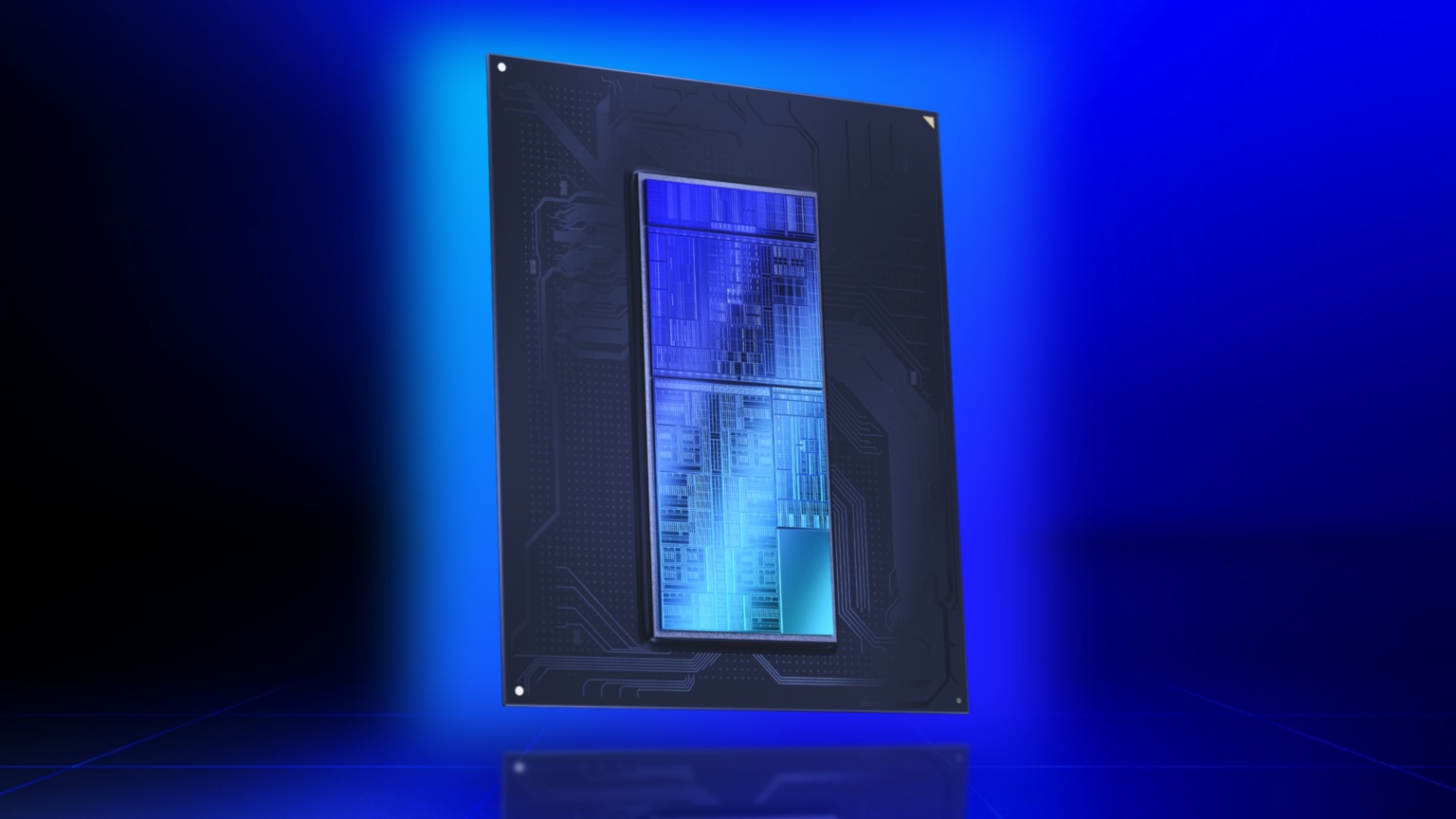
Intel has expanded its high-performance mobile processor lineup with the new Core Ultra 9 290HX Plus and Core Ultra 7 270HX Plus, two chips designed for high-end gaming laptops, content creation systems, and mobile workstations. The company integrates them into the Core Ultra 200HX Plus family, an update aimed at those seeking maximum performance in portable formats, while still maintaining some elements of the architecture from the previous series.
These updates arrive at a particularly sensitive time for Intel in the PC market, with increasing price pressures, strong competition in premium laptops, and an industry trying to balance raw performance with new AI-powered features. In this context, Intel hasn’t opted for a complete overhaul, but rather a technical refresh with two new models and a software optimization tool that aims to extract more performance in specific games.
A Refresh for the High-End Laptop Segment
On paper, the new Intel Core Ultra 9 290HX Plus features a total of 24 cores, divided between 8 Performance cores and 16 Efficient cores, with a turbo boost of 5.5 GHz, 36 MB of Intel Smart Cache, and a base power of 55 W, with a maximum turbo of 160 W. The Core Ultra 7 270HX Plus has 20 cores — 8 P-cores and 12 E-cores —, a boost frequency up to 5.3 GHz, includes 30 MB of cache, and shares the same base power of 55 W with a turbo cap of 160 W.
Both chips utilize the TSMC N3B node, support up to 256 GB of DDR5-6400 memory, offer 24 PCIe lanes, and maintain a small integrated Intel GPU with 4 Xe cores, along with the Intel AI Boost NPU, which provides 13 TOPS for these models. For the 290HX Plus, Intel targets a total AI performance of 36 TOPS, while the 270HX Plus reaches 33 TOPS. These figures help round out the technical specs, though in this product range, the real focus isn’t just on light local AI, but on combined performance with a dedicated GPU.
Intel doesn’t sell these chips as conventional laptop processors but as components for machines clearly aimed at the premium segment. In fact, some of the first announced systems include models like the Alienware Area-51, ROG Strix SCAR 18, Razer Blade 18, various Lenovo Legion systems, MSI, Acer Predator, and other specialized manufacturers. In other words, this is a family targeting enthusiast users, not the mass market.
What Has Really Changed Compared to the Previous Generation
The most delicate part of the announcement involves explaining how much these new processors really advance over their predecessors. Intel claims that the Core Ultra 9 290HX Plus offers up to a 8% performance gain in gaming and up to a 7% increase in single-thread performance over the Core Ultra 9 285HX. It also states that improvements could reach 62% in gaming and 30% in single-threaded tasks compared to the old Core i9-12900HX. While this looks impressive, keep in mind that the comparison is against a significantly older platform.
Small print is important here. Part of these gains depend on the new Intel Binary Optimization Tool, a feature that doesn’t act alone but within the advanced mode of Intel Application Optimization. This isn’t an automatic, universal improvement applicable to all games and systems. Intel presents it as a sort of binary optimization layer for selected titles, aiming to increase effective IPC and enhance native performance in certain scenarios. Intel’s documentation clarifies that this feature is only available on compatible processors, in advanced mode, and results may vary — including potential regressions — so it can also be disabled if desired.
In practical terms, this means the new HX Plus series isn’t a totally new generation but more of a refined revision of the previous one, with the same maximum frequency ceiling in the 290HX Plus as the 285HX, and the same 5.3 GHz max in the 270HX Plus versus the 265HX. The main concrete upgrade Intel highlights is an increase of up to 900 MHz in die-to-die frequency, meaning faster internal communication between processor blocks and the memory controller. Intel argues this reduces system latency and especially benefits gaming.
Translated into less technical language: Intel is trying to squeeze out more performance without completely redesigning the platform. The strategy combines small silicon tweaks with a software layer that can improve behavior in specific titles. This might be enough to stay competitive in high-end gaming laptops, but at least for now, it doesn’t represent a sweeping generational leap.
Connectivity, OEM, and Positioning
Another key point in the announcement is connectivity. Intel mentions support for Wi-Fi 7, Bluetooth 5.4, and Thunderbolt 5 in systems based on these processors. However, it’s important to clarify that not everything depends solely on the CPU; it also depends on the laptop manufacturer’s implementation, the complete system, and the platform chosen by each OEM. The official processor specs mention compatibility with Thunderbolt 4, while the press release discusses systems with Thunderbolt 5, making it clear that the final experience will depend on the actual device design.
This underscores a key idea: these chips are not standalone solutions but part of specific laptops. The cooling solution, dedicated GPU, RAM, SSD, and thermal profile are as important as the processor itself. A paper-thin improvement on paper is meaningless if the chassis bottlenecks performance due to temperature, or if each manufacturer’s configuration reduces power output aggressively.
Intel has indicated that the first systems featuring Core Ultra 200HX Plus will be available throughout 2026, starting from March 17, with some manufacturers. The real impact of this platform will become clearer over the coming weeks and months, once independent reviews and real-world benchmarks begin to emerge.
What’s clear is that Intel does not want to leave the enthusiast segment without an answer. Already in desktops with the Core Ultra 200S Plus, Intel has moved into that space, and now with these mobile chips, it’s extending that logic. The question remains whether these incremental improvements will be enough to convince manufacturers and buyers in a market where each performance percentage counts, but where the final price also weighs heavily.
Frequently Asked Questions
What’s the difference between the Intel Core Ultra 9 290HX Plus and the 285HX?
Intel claims up to an 8% increase in gaming performance and up to a 7% boost in single-thread performance for the 290HX Plus, though some of these improvements depend on the new Intel Binary Optimization Tool used with compatible games.
How many cores do the new Intel Core Ultra 200HX Plus processors have?
The Core Ultra 9 290HX Plus has 24 cores (8 P-cores and 16 E-cores), and the Core Ultra 7 270HX Plus includes 20 cores (8 P-cores and 12 E-cores).
What is the Intel Binary Optimization Tool, and what does it do?
It’s a new feature integrated into the advanced mode of Intel Application Optimization. Intel describes it as technology capable of improving performance in certain compatible games through binary optimization.
Which laptops will feature the Intel Core Ultra 200HX Plus?
Models from Alienware, ASUS ROG, Lenovo Legion, Razer, MSI, Acer Predator, HP Omen, and other high-performance gaming and professional manufacturers are included among the announced systems.