
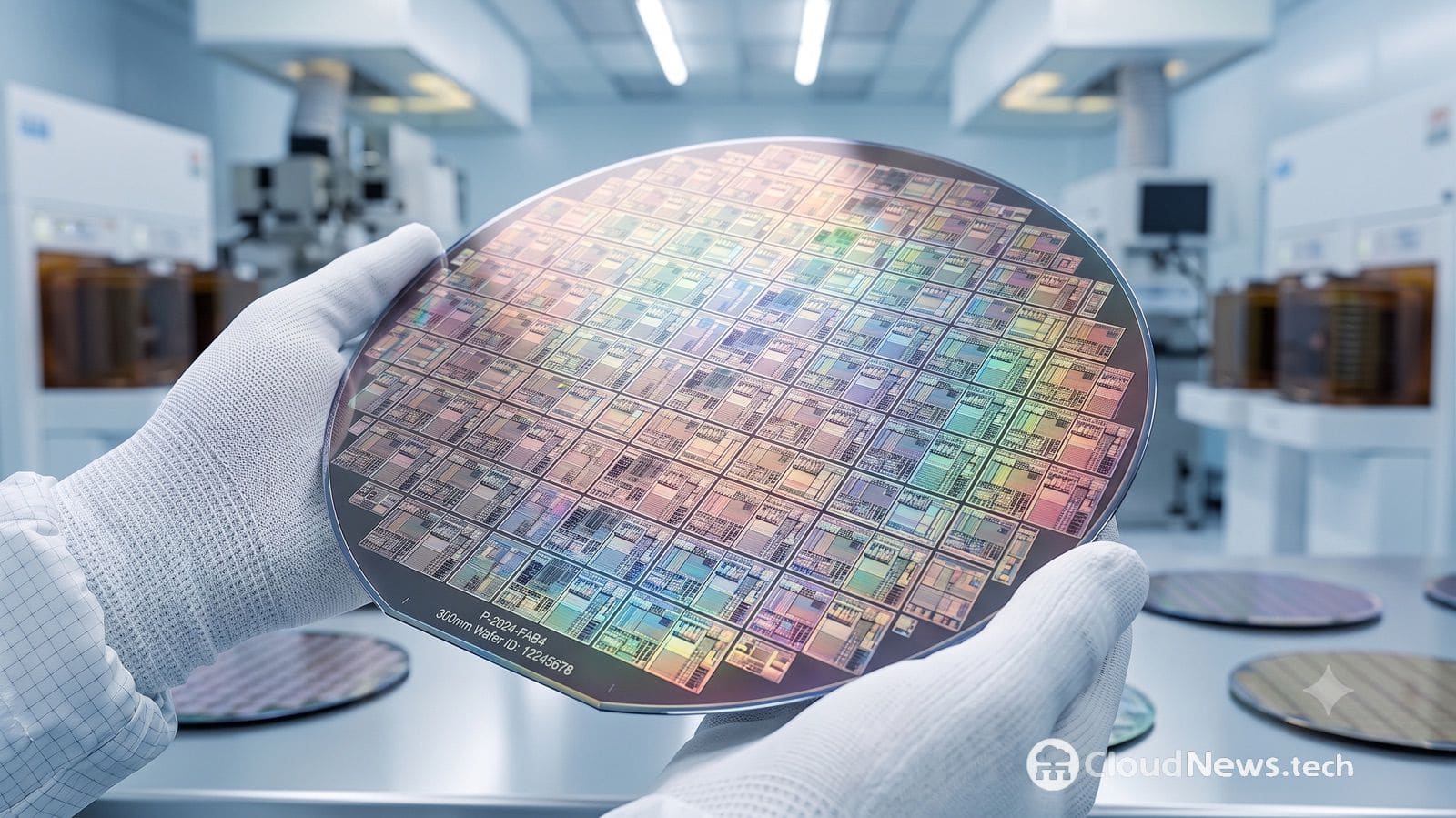
Infineon Technologies has announced a restructuring of its industrial footprint in Mexico that will impact its Tijuana plant, a historic center dedicated to backend semiconductor manufacturing processes. The German company will gradually transfer this production to other facilities over the coming years, as part of a global strategy aimed at improving scalability, productivity, and competitiveness.
The decision does not imply immediate changes for employees, customers, or suppliers, according to the company itself. Infineon assures that the transition will be managed progressively and that products will continue to be delivered without interruption. The company is also exploring options for the future use of the site, including a possible sale, with the goal of providing an industrial exit strategy for the center and the local community.
A historic center inherited from International Rectifier
The Tijuana plant holds symbolic significance within Infineon’s industrial journey in North America. It was founded in 1973 by International Rectifier, an American company specializing in power semiconductors which Infineon acquired in 2015. Since then, the Mexican site has been part of the group’s global network and now employs several hundred people.
Its activity focuses on backend manufacturing, a key phase in the semiconductor process that follows front-end wafer fabrication. In Tijuana, tasks such as wafer sawing, assembly, and testing are performed. Additionally, the center hosts internal IT and human resources services for Infineon, adding an operational dimension beyond production itself.
Backend typically receives less public attention than large wafer fabs, but it is essential for turning manufactured chips into ready-to-integrate products for automotive, industrial systems, IoT devices, power electronics, or energy management solutions. In a market where demand fluctuates by region and application, companies seek to concentrate capacity in more efficient, flexible, and scalable plants.
George Lee, Head of Backend Operations at Infineon, explained that the Tijuana realignment is part of the ongoing optimization of the company’s global manufacturing network. The company states that it communicates decisions in advance to maintain transparency and manage the transition smoothly. The message aims to prevent the perception of an abrupt shutdown: there will be no immediate changes, and the transfer will occur over several years.
Pressure to manufacture at larger scale and lower cost
This move aligns with a broader industry trend in semiconductors. Major companies are re-evaluating their manufacturing networks to balance resilience, costs, proximity to customers, and growth capacity. The pandemic, geopolitical tensions, trade restrictions, and supplier concentration have highlighted the importance of diversified, yet more efficient, supply chains.
Infineon states that its manufacturing strategy is based on a hybrid model: combining in-house production with strategic partnerships. Its main backend facilities for international markets are located in the United States, Europe, and Asia. This combination allows maintaining industrial control over critical capabilities while leveraging partners when activities can be executed more flexibly or cost-effectively.
The Tijuana reorganization is not an isolated move. In January 2025, Infineon began constructing a new backend plant in Samut Prakan, south of Bangkok, designed to boost its capacity in Asia. The company explained that the new facility would help meet future demand for power modules and diversify its manufacturing footprint, with an initial phase expected to be operational by early 2026.
Also in 2025 and 2026, Infineon progressed in its sale of the former Bangkok/Nonthaburi site to Malaysian Pacific Industries, maintaining long-term supply agreements. The company presented this operation as part of a strategy to combine internal manufacturing with reliable OSAT partners, to achieve greater efficiency and flexibility.
This logic explains the move from Tijuana. It’s not just about relocating a production line from one country to another, but about adjusting a global network where each plant must have the right scale, productivity, and strategic value. In semiconductors, smaller or less aligned facilities may lose importance compared to more automated, specialized, or integrated sites with new investments.
Mexico’s reduced role in a specific stage of the chain
Infineon’s decision comes at a time when Mexico is seeking to strengthen its role in the advanced technology and manufacturing industries, given its proximity to the U.S. market. Nearshoring has made the country an attractive destination for electronics, automotive, logistics, and assembly. However, the Tijuana case illustrates that geographic proximity alone is not always sufficient when a multinational reorganizes its production based on global scalability criteria.
Infineon has not specified which plants will receive the production transferred from Tijuana. It has indicated that its main international backend centers are in the U.S., Europe, and Asia. This clearly shows that the company will maintain a diversified footprint, but with a focus more aligned to current priorities.
For the local community, the impact will depend on the timetable, the industrial alternatives found for the site, and whether a potential sale can preserve activity and employment. Infineon has left this option open, though without details on buyers, timelines, or conditions. Prudence is advised: no immediate closure has been announced; rather, a gradual transfer of production is planned.
From a technological perspective, this move confirms that semiconductor backend manufacturing is also experiencing a phase of concentration and specialization. While industry discussions often focus on large fabs, advanced nodes, and AI chips, assembly, testing, packaging, and power modules are critical components for sectors such as automotive, renewables, electrical infrastructure, IoT, and data centers.
Infineon is a major global player in power systems and IoT. As of September 2025, it employed around 57,000 people and generated approximately €14.7 billion in revenue during its 2025 fiscal year. Its industrial restructuring reflects a common challenge among manufacturers: growing in high-demand areas, maintaining regional resilience, and avoiding an overly dispersed or costly network of plants.
The Tijuana plant is now in a transition phase. Its history within International Rectifier and Infineon gives it local significance, but the semiconductor industry is increasingly moving toward manufacturing networks where scale, automation, efficiency, and flexibility outweigh the historical continuity of a single site. Infineon’s challenge will be executing this transition without disrupting customer relationships or leaving the local community without prospects.
Frequently Asked Questions
What has Infineon announced regarding its Tijuana plant?
Infineon will gradually transfer backend production from its Tijuana center to other facilities over the next few years as part of a global manufacturing network reorganization.
What is manufactured at the Tijuana plant?
The facility handles backend semiconductor processes such as wafer sawing, assembly, and testing. It also houses internal IT and HR services.
Will there be immediate changes for employees or customers?
Infineon states there will be no immediate changes for employees, customers, or suppliers, and that deliveries will continue seamlessly during the transition.
Why is Infineon reorganizing its production?
The company aims to improve scalability, productivity, costs, and competitiveness through a hybrid strategy combining in-house manufacturing and strategic partnerships.
via: infineon
