
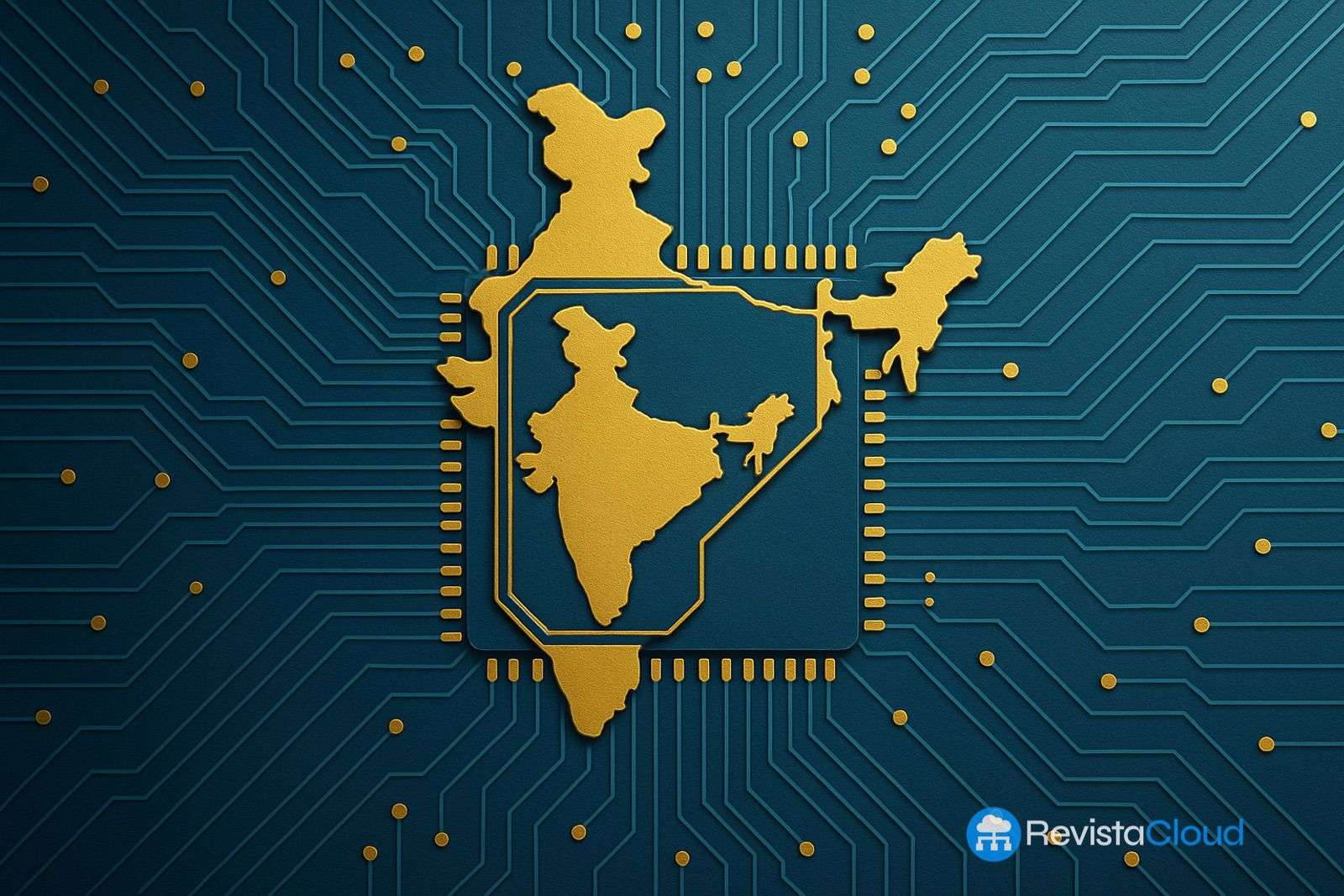
The next mobile phone purchased by a citizen in India will come with a pre-installed government cybersecurity app, and it will be impossible to delete. The country’s Ministry of Telecommunications has ordered all smartphone manufacturers to preinstall the Sanchar Saathi app on new devices sold in the Indian market and to also distribute it, via software updates, to already manufactured and circulating devices.
The measure is presented as a key step in the fight against phone fraud and misuse of mobile networks but is accompanied by intense debate over privacy, surveillance, and freedom of choice in one of the largest telephony markets in the world.
A Confidential Order with a 90-Day Compliance Period
The directive, dated November 28, 2025, gives manufacturers such as Apple, Samsung, Xiaomi, Vivo, Oppo, OnePlus, and others three months to ensure that all new phones leave the factory with Sanchar Saathi visible during the initial device setup. Additionally, the app cannot be uninstalled or deactivated: it must remain active at all times.
The order also applies to previously produced devices in the supply chain. In these cases, the government demands that the application be delivered through OTA (over-the-air) updates, so users receive it even if they already have the mobile in hand or pocket. Companies have 90 days for deployment and 120 days to officially report compliance.
This move is part of the new Telecom Cyber Security Rules 2024, through which New Delhi seeks to strengthen control over network integrity, IMEI (unique device identifiers) management, and mobile line registration in a country with over 1.2 billion subscribers.
What is Sanchar Saathi and Why Is It So Important to the Government
Sanchar Saathi is not just any app but the mobile gateway to a government-managed communication security platform operated by the Department of Telecommunications. Its official goals are twofold: protect citizens from fraud and assist authorities in detecting and neutralizing malicious use of telecommunication networks.
Its main functions include:
- Blocking lost or stolen phones: the system relies on a centralized IMEI registry (CEIR). If a user reports a loss or theft, they can request IMEI blocking; the phone becomes unusable on all Indian networks, lowering its black market value.
- Checking lines associated with a citizen: the “Know Mobile Connections in Your Name” feature allows checking how many SIM cards are registered under a single person’s name and reporting unrecognized lines, a vital tool against identity fraud.
- Verifying device authenticity: users can input the IMEI to determine if their device is genuine or counterfeit/manipulated.
- “Chakshu” module for reporting fraud and spam: enables reporting suspicious calls, SMS, or WhatsApp messages, such as banking phishing, investment scams, impersonations, or malicious links. These reports feed into a database that helps identify fraudulent patterns and act against involved numbers.
Since its launch, the platform has facilitated recovering over 700,000 lost or stolen phones and has contributed to cutting over 30 million fraudulent connections, according to official data cited by local media and international agencies.
The app, available on Android and iOS, is offered in English, Hindi, and 21 regional languages, and has already surpassed 10 million downloads, illustrating its extensive reach even before the mandatory preinstallation rule.
Official Argument: Combating a “Serious Threat” to Networks
The Indian government justifies the measure by citing the sharp increase in fraud involving duplicate or spoofed IMEIs, the stolen-device business, and the mass registration of fake lines used for scams and deception. They claim these practices pose a “severe danger” to mobile network security and citizens’ economy.
With Sanchar Saathi present on all smartphones, authorities aim for a more comprehensive view of the ecosystem: which devices connect, how many lines are registered under one identity, and which numbers repeatedly appear in fraudulent activities. In theory, this system would allow quicker responses to large-scale scam campaigns and deactivate devices and SIMs used for criminal purposes.
Privacy Concerns: An App That Cannot Be Deleted
The flip side concerns privacy and user autonomy. The app requires broad permissions to operate, including access to calls, call management, SMS, communication logs, and other device data, such as storage and, in some cases, the camera.
The app’s description states that developers do not collect data or, if they do, do not share it with third parties. However, the government nature of the tool fuels skepticism among digital rights activists and experts, who argue that any data sent to public servers ultimately remains under government control.
Organizations and analysts in India compare this decision to recent episodes like the mandatory use of the Aarogya Setu contact tracing app during the COVID-19 pandemic, which also faced harsh criticism and legal challenges due to mass surveillance risks.
The key difference now is that Sanchar Saathi is not presented as a health tool for a specific crisis but as a structural component of India’s digital ecosystem. Unlike many government apps, users cannot uninstall or disable it, even if they believe it is unnecessary or poses a privacy risk.
Legal and Commercial Challenges for Apple, Samsung, and Other Manufacturers
For manufacturers, this order creates a complex challenge. Apple, in particular, has historically maintained a policy against preinstalling non-removable apps by governments or third parties, citing user experience and brand image considerations.
To continue expanding in India — a market where its revenues recently hit record highs — Apple will need to reconcile its internal policies with government demands, which, at least officially, do not allow for simple voluntary “installation options.” Some analysts suggest Apple might seek a compromise, such as highlighting Sanchar Saathi during initial setup but maintaining some control over its integration.
In the Android ecosystem, the technical impact is less severe, but still significant in perception. Brands like Samsung, Xiaomi, Vivo, Oppo, and others that already ship devices with multiple factory-installed apps will now have one more app to add—imposed by the state and non-removable by users.
Moreover, manufacturers will have to allocate resources to modify their production, testing, and distribution processes to ensure the app appears correctly across models, languages, and software updates, avoiding errors that could lead to sanctions or regulatory blocks.
Security at Any Cost?
The Sanchar Saathi case revives a global debate: how legitimate is it for governments to mandate cybersecurity tools on personal devices, and where is the line between fraud protection and potential population surveillance?
For many Indian citizens, being able to block a stolen phone or verify if someone has registered lines in their name represents a tangible, necessary improvement amid widespread fraud. For others, the privacy and government control costs are too high—especially given the app’s mandatory nature, unremovable status, and its role as an extra layer within an already heavily monitored environment.
In the coming months, the transparency of data handling, legal safeguards, and actual behavior—including potential security breaches or leaks—will be critical in determining whether Sanchar Saathi becomes a model for citizen cybersecurity or a new symbol of digital surveillance.
Frequently Asked Questions about the Sanchar Saathi App and Its Mandatory Status in India
Can users in India uninstall the Sanchar Saathi app from their phones?
No. The Ministry of Telecommunications’ order mandates the app be pre-installed on all new smartphones and that it cannot be uninstalled or deactivated. It must also be distributed via software updates to existing devices, making its presence practically permanent on phones sold in the country.
What functions does Sanchar Saathi offer for lost phones and IMEI fraud?
The app connects to a central IMEI registry (CEIR) that allows users to block lost or stolen phones, rendering them inoperable across Indian networks. It also enables verification of device authenticity and includes a dashboard to check how many lines are registered under a person’s name, aiding detection of fake or unauthorized connections.
What privacy risks do experts associate with Sanchar Saathi?
Critics highlight that the app demands extensive permissions concerning calls, messages, and other device data. As a government-controlled tool, there are concerns about extensive or opaque use of collected information. The precedent of enforcing a mandatory, unremovable app in all phones raises worries about privacy violations, especially given past controversies over similar government apps.
How does the mandatory installation of Sanchar Saathi affect brands like Apple or Samsung?
All manufacturers wishing to sell smartphones in India must adapt their processes to include the app, ensuring its visibility at initial setup and preventing its removal. For Apple, this conflicts with their usual policy of not preinstalling such apps, likely leading to complex negotiations. For Android brands, the impact is more technical but still affects brand image, compliance, and logistics, as they must ensure correct app deployment across models and updates.
Sources: Reuters, The Verge, Times of India, India Today, Business Today, official Sanchar Saathi portal (DoT), Ministry of Information & Broadcasting India, analysis from The Hacker News and cybersecurity outlets.