
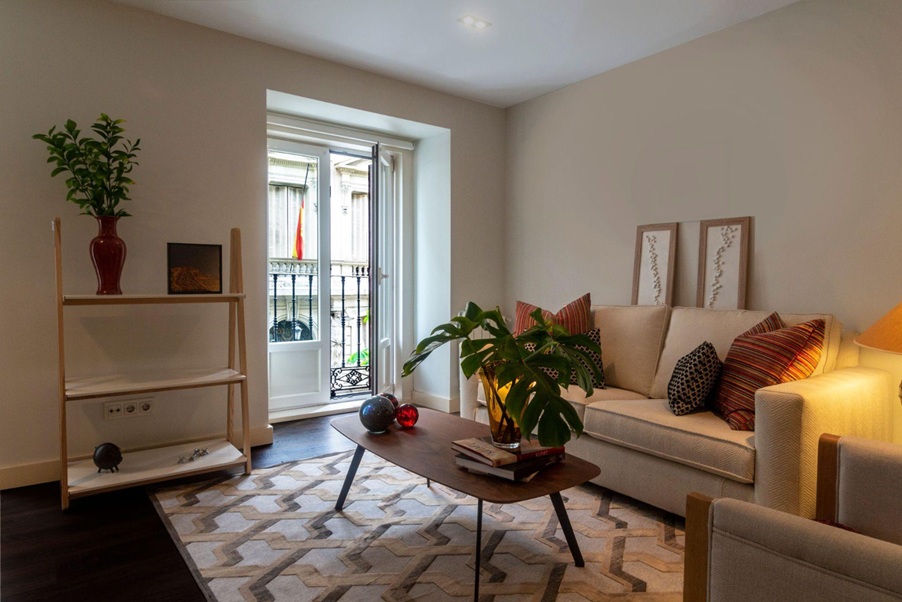
A two-seater sofa suits small homes especially well. It fits in living rooms of almost any size, and its versatility makes it work in compact apartments as much as in medium lounges that want to get the most out of every square meter.
The sofa is the centerpiece of any living room. It’s where you relax after a long day, spend time with friends and family, and watch your favorite shows.
Choosing a two-seater sofa isn’t only about saving space. It’s a smart call for functionality, looks, and mobility.
Why a 2-seater sofa works in small spaces
The first big advantage of this sofa is its compact size. It suits small rooms, apartments, and studios, letting you furnish the space without crowding it. Unlike three-seater or larger models, it frees up visual and physical room, so the space can breathe and you can move around more easily.
It usually measures between 150 and 180 cm long, comfortably seating two adults while taking up less space than a 3-seater. That standard size makes it a flexible piece for different living room layouts, whether as the main seat or a complement to it.
In larger rooms, it also frees floor space for chairs, tables, or simply more room to move. So it isn’t only a fix for small spaces; it’s a smart option for anyone who wants separate conversation zones or a clean, minimalist look.
How to measure your space before buying
Before falling for a specific model, measure your living room carefully. As a rule, leave about 45-50 cm between the sofa and the coffee table, and about 70-80 cm of clearance from walls or other bulky furniture.
A sofa shouldn’t take up more than two-thirds of the wall it sits against, and it should leave walkways of at least 60 cm. Keeping the proportions right matters for both visual balance and how the space works.
A handy trick before buying is a 2D layout. Use painter’s tape or old newspapers to mark the exact outline of the furniture on the floor, leave it for a full day, and if you keep dodging the mark on your way to the kitchen or balcony, the sofa is too big.
Don’t forget the access points. Measure door frames, hallways, and the elevator so the sofa can actually reach your living room without trouble.
Materials and upholstery by use and maintenance
The right upholstery matters as much as the size. When picking fabrics for a sofa built to last, weigh wear resistance, ease of cleaning, and comfort. Each material has traits that make it more or less suited to your lifestyle.
- Microfiber: durable and stain-resistant. This synthetic material is very dense, so it holds up to tears and everyday wear. It’s also easy to clean, which makes it a strong choice for homes with children and pets.
- Polyester: highly resistant to fading, wear, and pilling. This synthetic fiber suits anyone who needs a functional, durable sofa that’s easy to maintain.
- Linen: for those who value a natural look. Linen is a prized natural fiber in interior design for its organic texture and its knack for adding warmth in winter and a cooler feel in summer.
If you have pets or small children, some models put softness first while others focus on easy cleaning. Choose by intended use: decorative, everyday, or pet- and child-friendly.
Colors and styles that make the space feel bigger
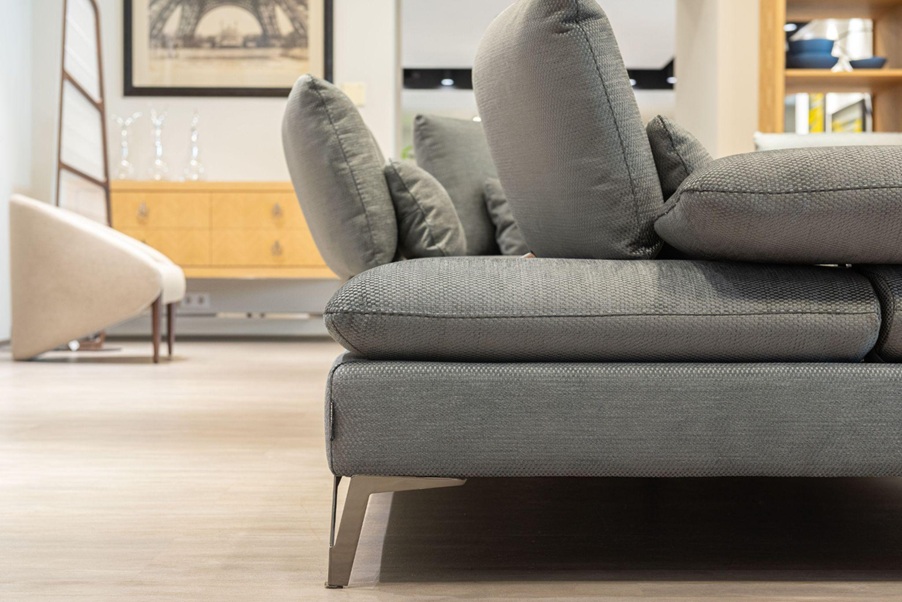
The sofa’s color shapes how big the room feels. Neutral tones like light gray, beige, off-white, or sand work well as a clean, open base.
Light-colored sofas are key for making a space feel larger. Whites, beiges, and light grays reflect light and open up the room. That works especially well in small living rooms where every detail counts.
To add personality without overwhelming the space, light blue, sage green, pearl gray, or dusty pink bring a touch of color without cutting the light or making the room feel crowded. These tones feel airy and modern, and they suit rooms that need to breathe.
A neutral sofa doesn’t have to be dull. If anything, these colors let you play with colorful cushions, textured rugs, or striking art without cluttering the space.
Alternative arrangements to make the most of space
When there’s room, pair your two-seater with other modular pieces. Another popular approach is combining a three-seater or sectional with a two-seater in the same area for a more versatile, better-looking layout.
In smaller spaces, add poufs or lightweight chairs. When you need to host a few more people, these help without cluttering. Movable side furniture gives you flexibility without eating into your everyday space.
How to fit it into your overall decor
Blending the sofa into the rest of your decor is what makes a room feel harmonious. Use the wall behind it for gallery-style frames, floating shelves, or an articulated wall lamp.
One trick to make a 2-seater stand out is dressing it with cushions, throws, and textiles that add texture and color. A neutral sofa in beige, gray, or white can change completely with vibrant cushions, geometric prints, or natural fabrics like linen or cotton.
Lighting matters too. For a more modern look, LED strips behind the sofa or under a shelf create a contemporary effect without taking up any space. That works especially well in rooms short on natural light.
It also helps to place the sofa near a small coffee table, a floor lamp, or a sideboard behind the backrest. These pieces define the living area without visual overload.

Choosing the two-seater sofa that fits your small or medium living room comes down to functionality, looks, and common sense.
Measure your space carefully, pick materials suited to your lifestyle, choose colors that open up the room, and add a few strategic accessories. Those are the foundations of a cozy, well-designed space.
