
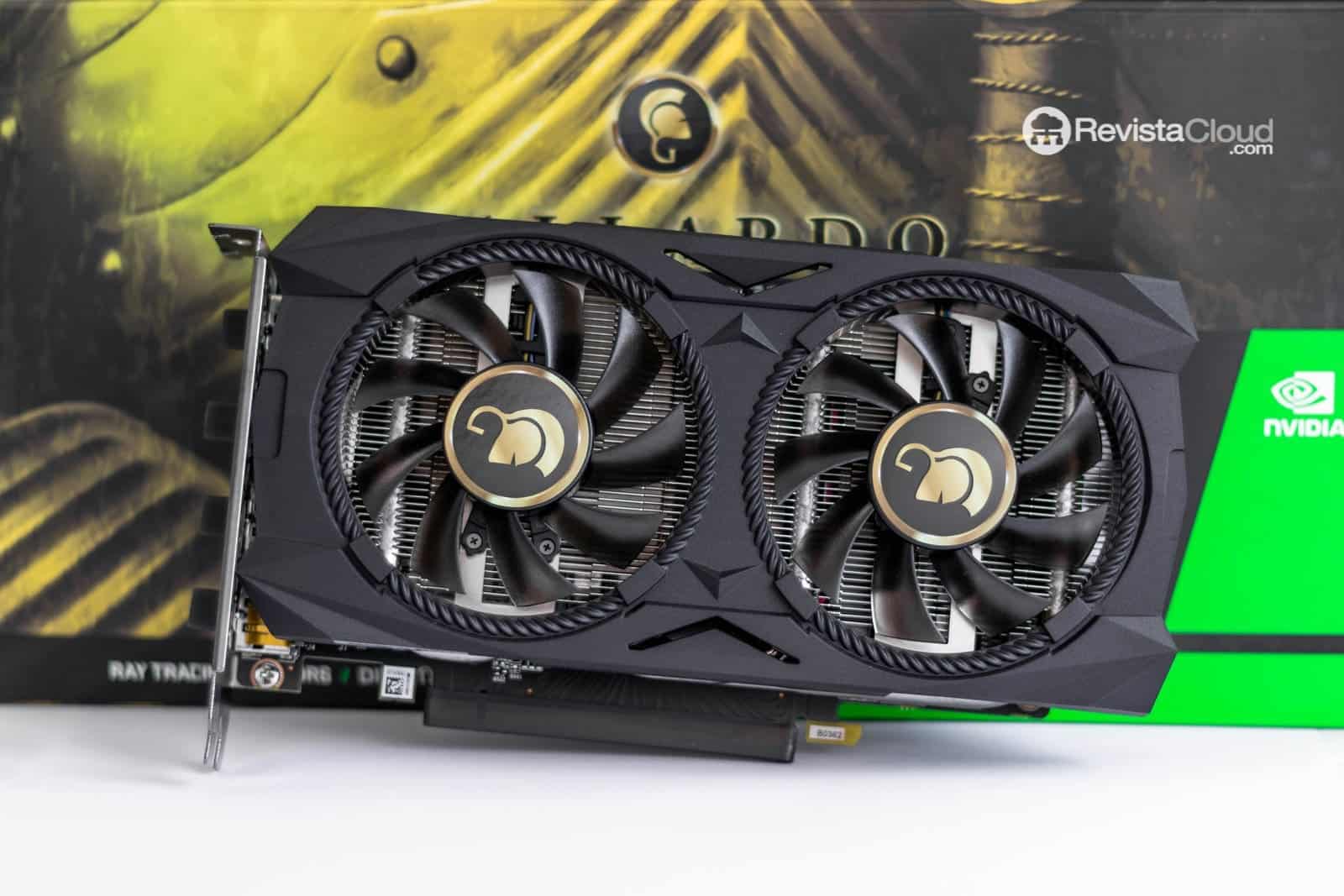
Graphics card sales on Amazon in the United States saw a sharp drop in August 2026, according to data compiled by TechEpiphany. Volume fell from 26,050 units in July to 21,150 in August, an 18.8% decline, while Nvidia suffered a 32.4% drop and saw its unit share fall from 57.4% to 47.8%. AMD held up better, and Intel was the only manufacturer to increase its sales.
Key facts about GPU sales on Amazon, in 30 seconds
- Amazon US reportedly sold 21,150 GPUs in August, down from 26,050 in July, generating $16.64 million in revenue.
- Nvidia went from 14,950 to 10,100 units and from 57.4% to 47.8% share.
- AMD sold 8,900 cards and reached 42.1% share, while Intel climbed to 2,150 units and 10.2%.
- The Radeon RX 9070 XT held its sales almost steady at 4,000 units, while the RTX 5060 and 5060 Ti fell sharply.
- The figures come from a TechEpiphany compilation and do not represent total U.S. market sales.
The August snapshot shows a rapid shift in the distribution of retail graphics card sales. Nvidia still generates most of the revenue, but its unit lead shrank considerably. AMD closed to within six percentage points, and Intel’s GPUs topped 10% for the first time in this monthly series.
An important caveat applies to these figures. Amazon does not publish an official monthly breakdown of all its GPU sales in the United States. The numbers used come from TechEpiphany’s compilations, a source that has been tracking these sales and whose data has previously been picked up by specialized outlets. They are therefore useful for spotting trends within Amazon US, but should not be read as a complete measurement of the graphics card market.
Nvidia Loses Nearly 5,000 Sales in a Single Month
Nvidia went from selling 14,950 GPUs in July to 10,100 in August. That’s 4,850 fewer units, a 32.4% decline. Its overall share dropped from 57.4% to 47.8%.
The drop also shows up in revenue. Nvidia went from accounting for 69.3% of the money generated by these sales to 60.6%. Even so, it retains a much larger lead in revenue than in units, due to the average price of its cards.
TechEpiphany’s data puts the average selling price of an Nvidia GPU on Amazon US at about $998 in August, up from $927 in July. AMD came in at $648 and Intel at $367. The average price therefore rose for all three companies even as the number of cards sold declined.
The pullback is especially concentrated in several models from the Blackwell family. The GeForce RTX 5060 went from 2,450 units in July to just 600 in August, a 76% drop. The RTX 5060 Ti fell from 2,650 to 1,100 units, down 58%, while the RTX 5070 Ti went from 1,900 to 1,150, a 39% decline.
These figures coincide with a period of sharp price increases for GPUs. A TechSpot analysis published in September shows the RTX 5060 reaching $450 in the United States during August, up from $340 in July. The 16GB RTX 5060 Ti went from $570 to $730 over the same period, while the RTX 5070 rose from $600 to $800. The trend fits with earlier supply-chain rumors pointing to a significant cut in Nvidia’s GeForce GPU production for 2026, which would add further price pressure if confirmed.
The relationship between the two trends should be read with some caution. The data show a simultaneous rise in prices and a drop in units sold, but on their own they don’t allow the entire sales decline to be attributed to prices.
AMD Closes the Gap on Nvidia, and Intel Reaches 10% Share
AMD also saw its sales decline, but by much less. Radeon units went from 9,850 in July to 8,900 in August, a 9.6% drop. Because the overall market fell more sharply, AMD’s share rose from 37.8% to 42.1%.
The Radeon RX 9070 XT accounts for much of that resilience. The model went from 4,050 units sold in July to 4,000 in August, barely a 1% drop. Its individual share within the sample rose from 15.6% to 18.9%. The RX 9060 XT also ranks among the top-selling models, with 2,850 units sold in August.
The picture shifts further when cards are grouped by architecture. The August compilation puts RDNA 4, the architecture behind the newest Radeon RX 9000 cards, at 7,500 units, versus 7,400 for Blackwell, used in most RTX 50 cards. That works out to 35.5% versus 35.0% of the total sample analyzed.
That’s a very narrow difference and applies only to this Amazon US sample. It does not mean RDNA 4 has overtaken Blackwell across the graphics card market as a whole, nor that AMD has passed Nvidia globally.
Intel shows a different trajectory. Its sales went from 1,250 units in July to 2,150 in August, a 72% increase. Its share rose from 4.8% to 10.2%. The growth also shows up in revenue, where it went from 1.5% to 4.7%.
Among Intel’s models, the Arc B580 stands out with 550 units, along with the Arc A380 with another 500. The sample also includes various older models from the Arc and GeForce families, so the count isn’t limited to current generations.
A Smaller Market With Higher Prices
The trend affecting all three manufacturers is the shrinking of the market analyzed. The 26,050 GPUs sold in July fell to 21,150 in August, while revenue dropped from $20.01 million to $16.64 million. Revenue fell 16.8%, somewhat less than units.
The average price across the full sample rose from about $768 per card in July to $787 in August. That helps explain why the revenue decline was smaller than the unit decline.
August’s figures also allow a comparison with July 2025. Back then, the compilation attributed to TechEpiphany recorded 33,650 GPUs sold on Amazon US, with Nvidia at 74.2% of units, AMD at 22.7% and Intel at 3.1%. A year later, the sample’s distribution is much more balanced: 47.8% for Nvidia, 42.1% for AMD and 10.2% for Intel.
That year-over-year comparison should be handled carefully, though, since it reflects only one retailer, one country and one specific compilation methodology. Other channels, such as sales to original equipment manufacturers (OEMs), specialty stores or prebuilt systems, fall outside this picture.
For PC buyers, the scenario reflected in this data has a simple consequence: recent graphics cards have made certain performance tiers more expensive to access. TechSpot places several current-generation GeForce cards clearly above their U.S. reference prices during August, especially models with 16GB of video memory.
Amazon’s trend on its own can’t determine which manufacturer is winning the overall market. It does show, however, that during August Nvidia lost volume within this platform while AMD held onto its main models better and Intel expanded its presence. If the price and availability gaps continue, the coming months’ data will show whether the shift was a one-off or part of a longer trend.
Frequently Asked Questions
How many GPUs were sold on Amazon US in August 2026?
TechEpiphany’s compilation counts 21,150 graphics cards in August, down from 26,050 in July.
How much did Nvidia’s sales fall?
Nvidia went from 14,950 to 10,100 units, a 32.4% decline. Its unit share fell from 57.4% to 47.8%.
Which manufacturer increased its sales in August?
Intel was the only one of the three manufacturers analyzed to increase its units, from 1,250 to 2,150, a 72% rise. Its share went from 4.8% to 10.2%.
Which GPU sold the most?
The Radeon RX 9070 XT topped August’s list with 4,000 units, according to TechEpiphany’s compilation. It accounted for 18.9% of all GPUs counted.
