
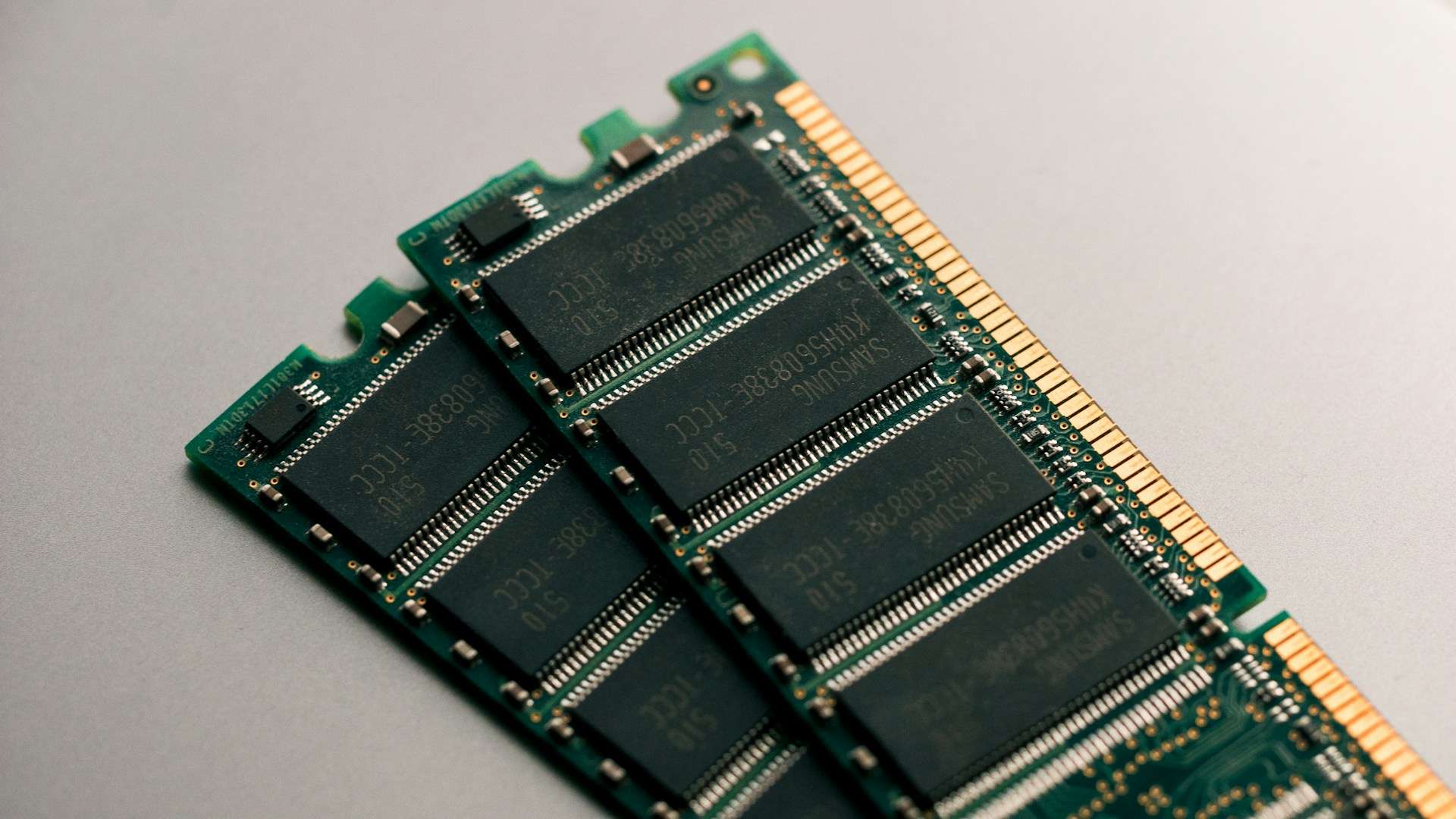
The global device market is preparing for an uncomfortable year. According to an analysis published by Gartner, the sharp rise in memory costs—DRAM and SSD storage—will cause in 2026 a decline of 10.4% in global PC shipments and 8.4% in smartphones compared to 2025. The reason is not a lack of interest in technology, but something simpler: devices will be more expensive and many buyers will decide to wait out what they already have.
Gartner estimates that the combined price of DRAM + SSD could increase by 130% by the end of 2026, leading to an average increase of 17% in PC prices and 13% in smartphones compared to 2025 levels. The firm anticipates that this will concentrate demand on high-end models, where margins better absorb component inflation.
“The strongest contraction in over a decade”
Ranjit Atwal, senior analyst at Gartner, describes this period as “the most pronounced contraction” in device shipments in over ten years. His interpretation is straightforward: when prices rise, the product lineup narrows, purchases are delayed, and the inertia of “upgrading every few years” breaks down.
Gartner calculates that, by the end of 2026, the average lifespan of PCs will increase by 15% in businesses and 20% in consumers. The impact is not only commercial: keeping older equipment means managing out-of-support operating systems and hardware, with more friction and increased security risks.
Impact on entry-level segment: “under $500” at risk
The most striking point of the report is a warning: entry-level PCs under $500 could be on the verge of disappearing by 2028. Gartner argues that memory will account for up to a 23% of the total materials cost (BOM) of the PC, compared to an estimated 16% in 2025. With this weight, manufacturers have less room to “absorb” the cost increase without losing money on low-cost models.
This scenario also triggers a secondary effect: the rise of refurbished and second-hand devices in the most price-sensitive segments, especially basic mobile phones. Gartner suggests that budget-conscious buyers will exit the market much faster than those in the premium range.
Why is memory going up? AI also pushes demand from data centers
Although Gartner’s report focuses on consumer impact, the context of the memory market points to additional pressure: the expansion of AI infrastructure and data centers. TrendForce, for example, has described how aggressive ordering and supply-demand imbalances have strengthened the pricing power of DRAM suppliers, with significant contract price increases.
Meanwhile, some PC manufacturers have publicly warned that “tension” in memory could persist. Reuters recently reported statements and forecasts from HP indicating that the impact of memory chip costs could extend into 2027 and put pressure on the PC market, consistent with a scenario of longer upgrade cycles.
The critical window: first half of 2026
Gartner also highlights a key detail relevant to channels and manufacturers: the “critical window” for adjusting prices and protecting margins will occur in the first half of 2026, before component inflation more aggressively compresses profitability from the second quarter onward. The implicit advice for the industry is clear: accepting unit sales decline may be preferable to a price war that erodes margins.
What about AI PCs? More expensive and slower to penetrate
The perhaps less intuitive consequence is that the same phenomenon could delay the adoption of so-called AI PCs. Gartner states that price increases could postpone the goal of reaching 50% AI PC market penetration until 2028. In other words, hardware designed to run more artificial intelligence “locally” may arrive, but with a clear slowdown if memory and storage costs keep soaring.
Summary table: key figures for the 2026 scenario
| Indicator | Gartner Forecast | Expected Effect |
|---|---|---|
| Global PC shipments (2026 vs 2025) | −10.4% | Fewer upgrades, focus on high-end |
| Global smartphone shipments (2026 vs 2025) | −8.4% | More retention and increased second-hand market |
| DRAM + SSD price increase (end of 2026) | +130% | More expensive devices |
| Average PC price increase (2026 vs 2025) | +17% | Limited affordable options |
| Average smartphone price increase (2026 vs 2025) | +13% | More polarization by segment |
| PC lifespan (business) | +15% | Increased risk and cost of maintaining legacy systems |
| PC lifespan (consumer) | +20% | Slower renewal cycles |
| Memory as a share of PC BOM | 23% (vs 16% in 2025) | Entry segment at risk |
| PCs < $500 | “Could disappear” by 2028 | Low-cost segment shrinking |
| AI PCs | 50% penetration delayed to 2028 | Slower adoption due to cost |
Implications for businesses and users
For consumers, the message is that 2026 may be a year for pragmatic decisions: repairing, increasing memory where possible, and extending device lifespan. For businesses, the impact is twofold: tighter upgrade budgets and greater responsibility for security in an aging device fleet. Longer cycles mean increased management demands (patching, encryption, access control, asset inventory, obsolete software removal), and planning becomes more strategically focused.
What Gartner describes is not a temporary setback, but a reconfiguration of how technology is purchased when the “memory” component stops being cheap and abundant.
Frequently Asked Questions
Why does the rise in DRAM and SSD affect the final price of a PC or smartphone so much?
Because memory and storage are part of the device’s base cost. Gartner estimates that increasing prices could translate into 17% more in PCs and 13% in smartphones compared to 2025.
Could entry-level laptops under $500 really disappear?
Gartner predicts that the rising share of memory in total costs (up to 23%) will make many low-margin models unviable, aiming for a segment’s disappearance by 2028.
What are the risks of extending PC lifespan in a company?
Gartner warns that managing older devices for longer increases vulnerabilities and operational challenges, especially if they fall outside of support and update cycles.
How does this affect AI PCs and Copilot+?
Gartner states that rising costs could delay the penetration of 50% AI PCs until 2028, as higher prices may slow down adoption rates.
via: gartner