
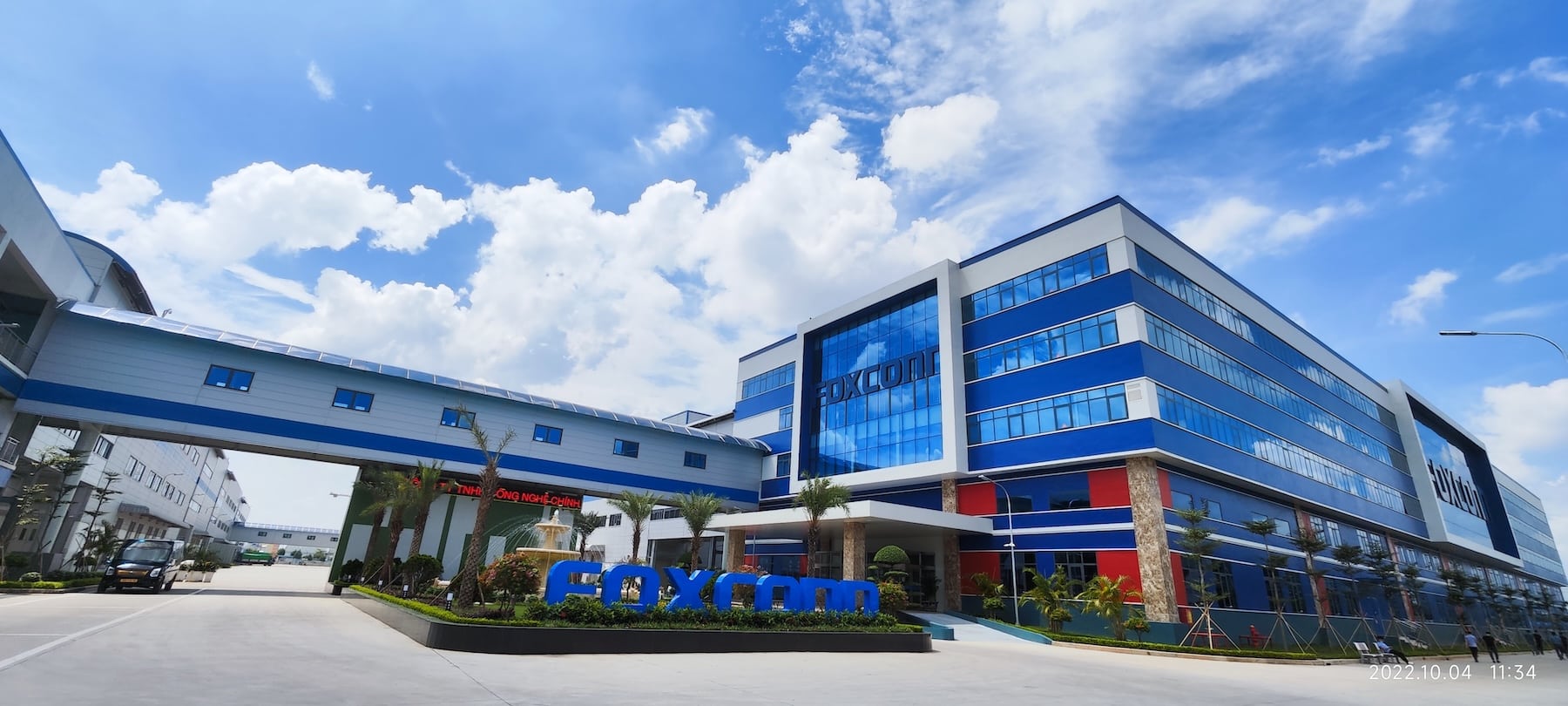
Foxconn Technology Group posted a mixed quarter in Q2 2025, with external factors like currency volatility and macroeconomic uncertainty impacting its financial results. Nonetheless, the Taiwanese manufacturing giant maintained strong performance, mainly driven by its increasing focus on artificial intelligence (AI) projects.
Ohio as a Strategic Laboratory
Foxconn’s plant in Lordstown, Ohio, initially designed for electric vehicle production, is being repurposed into a hub focused on assembling servers and specialized hardware for AI data centers. This shift responds to the rising demand for infrastructure needed to train and infer large-scale language models, as well as cloud and edge computing applications.
This move highlights the company’s ability to adapt to fluctuations in the tech market. While the electric vehicle sector faces turbulence due to slowing sales and excess capacity, Foxconn aims to remain relevant in the new wave of digital revolution dominated by generative AI.
A Redesigned Global Strategy
The group has begun diversifying its supply chains to reduce reliance on China and Taiwan, investing in facilities in North America, India, and Southeast Asia. This restructuring addresses geopolitical tensions and the need to be closer to hyperscale clients like Microsoft, Google, and Amazon, which demand servers at an unprecedented rate.
At the same time, Foxconn is forming alliances with chipmakers and cloud providers to position itself as a key partner in integrating AI-optimized hardware.
Impact on the Company’s Future
Shifting focus toward AI reinforces Foxconn’s vision of evolving from a mere consumer device assembler to a strategic player in global digital infrastructure. However, analysts warn that the company must balance this transition with immediate financial challenges stemming from volatility in energy, transportation, and raw material costs.
As 2025 comes to a close, the Ohio plant will serve as a barometer to assess whether the AI focus provides Foxconn with a solid cushion against economic fluctuations and industry demand shifts.