
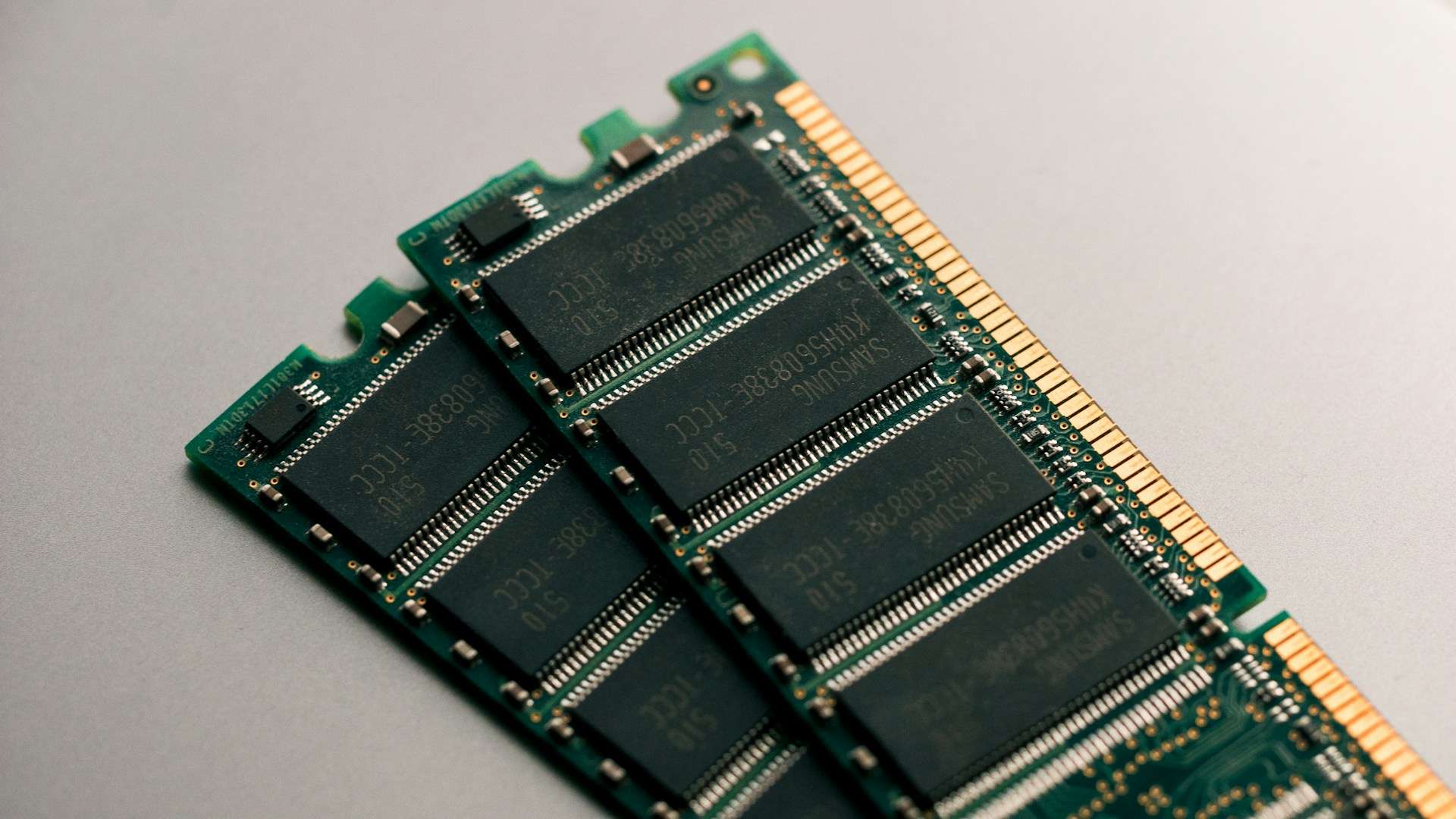
The memory market is once again showing a clear sign of transition. According to the latest weekly update from TrendForce, buyer interest remains focused on DDR5 chips from suppliers, while DDR4 stays nearly flat and NAND Flash weakens after aggressive gains in recent months.
The weekly data does not indicate a widespread collapse of DRAM, but it does reflect a tone shift. The DDR4 1Gx8 at 3,200 MT/s, a common benchmark for tracking the spot market trend, dropped 0.25% during the week of 05/05/2026, from $32.48 to $32.40. This is a small adjustment, though it’s significant because it comes at a time when buyers are beginning to show more caution against further price increases.
The key takeaway is straightforward: DDR5 memory remains a priority for many buyers, but the market is no longer willing to accept any price hikes. Suppliers have tried to raise their quotes, supported by demand for newer products, but some buyers are choosing not to chase higher prices.
DDR5 sustains interest, but with more cautious buyers
DDR5 has become the main focus within the DRAM market. It’s understandable. The renewal of server platforms, workstations, and next-generation equipment has shifted much of the demand toward this type of memory, which is better suited for intensive workloads and modern systems.
Nevertheless, TrendForce’s report hints at a less euphoric market than in previous weeks. inquiries are concentrated on DDR5 chips from suppliers, but buying activity remains limited due to holiday periods in some regional markets and buyer caution. That is, there is interest, but not necessarily aggressive purchasing patterns.
This nuance matters because the spot market tends to react quickly to perception changes. When buyers believe prices will keep rising, they accelerate purchases. When they start to think the upward margin is exhausted, they ask more questions, compare more, and execute fewer transactions.
As for DDR4, it’s in a different situation. Although it still holds a large installed base in PCs, older servers, industrial systems, and embedded devices, its role in new purchases is weakening compared to DDR5. That’s why the reference price barely moved this week, with a very slight decline signaling more stability than a deep correction.
NAND Flash cools activity after 30% to 40% declines
The most notable movement appears in NAND Flash. TrendForce indicates that spot market activity has visibly cooled, with accumulated declines over the past month reaching between 30% and 40%. After a period of very high prices, buyers seem to have reduced their willingness to purchase at levels they previously considered excessive.
NAND Flash is a crucial component for SSDs, enterprise storage, mobile devices, memory cards, and embedded systems. Its price impacts manufacturers of computers, cloud providers, data centers, integrators, and also the consumer market, though not always immediately. Drops in the spot market can take time to translate into contract prices, distributors, and retail prices.
The overall decline doesn’t mean all NAND products will suddenly become cheaper. The memory market operates in layers: spot prices, quarterly contracts, agreements with large clients, stock inventories, and differences between consumer, enterprise, and component products. Therefore, it’s important to view this as a cooling signal rather than an automatic promise of cheaper SSDs in stores.
It’s also essential to consider that demand driven by Artificial Intelligence has altered how manufacturers allocate capacity. More profitable production tends to prioritize higher-value memories like HBM or components for servers and data centers. This reallocation can create tensions in more conventional products, even as certain spot market references retreat.
Implications for manufacturers, distributors, and users
For equipment manufacturers, the overall picture is mixed. DDR5 maintains demand pressure, which can complicate cost planning for new platforms. DDR4, on the other hand, offers more stability, though its technological cycle is more advanced. In NAND, the decline in the spot market could ease some purchases, but it will depend on contracts, available inventory, and the product type.
For distributors and assemblers, the message is to exercise caution. Buying at peak prices during a rise may leave inventory with little margin if the market corrects. Buying too late, however, can be problematic if suppliers tighten supply again or if demand from servers and data centers absorbs capacity. This balance explains why buyers are adopting a more selective approach.
For end users, effects may lag. RAM modules, SSDs, and complete systems’ prices don’t always follow weekly spot market trends immediately. Logistics, channel strategies, promotions, existing stock, and each brand’s commercial approach all influence final prices. Still, when NAND Flash experiences drops of 30% to 40% in a month, the sector keeps a close watch on the data.
The key is distinguishing weekly noise from broader trends. DDR5 continues to focus interest because it aligns with the natural cycle of technological renewal. DDR4 persists due to its large installed base but is less attractive for new purchases. After a period of tension, NAND Flash shows signs of correction in the spot market.
In a year marked by high demand for AI infrastructure, servers, and high-performance storage, memory has become one of the most sensitive indicators of the tech supply chain. A 0.25% adjustment in DDR4 might seem small, but within that movement coexist signals of inventory, caution, technological transition, and cost pressures.
Frequently Asked Questions
What happened to DDR4 prices this week?
DDR4 1Gx8 at 3,200 MT/s decreased 0.25% in the spot market during the week of 05/05/2026, from $32.48 to $32.40.
Why is DDR5 attracting more buyer interest?
DDR5 is linked to newer server, PC, and workstation platforms. That’s why many buyers prioritize it over DDR4, although they are starting to adopt a more cautious stance regarding further increases.
Does the decline in NAND Flash mean SSDs will drop in price?
Not necessarily immediately. The spot market is just one part of the supply chain. Final prices depend on contracts, inventories, distribution, SSD types, and each manufacturer’s strategy.
What’s the difference between spot price and contract price?
The spot price reflects more immediate transactions and tends to be more volatile. Contract prices are negotiated between manufacturers and large clients for longer periods, often reacting with a delay.
via: trendforce
