
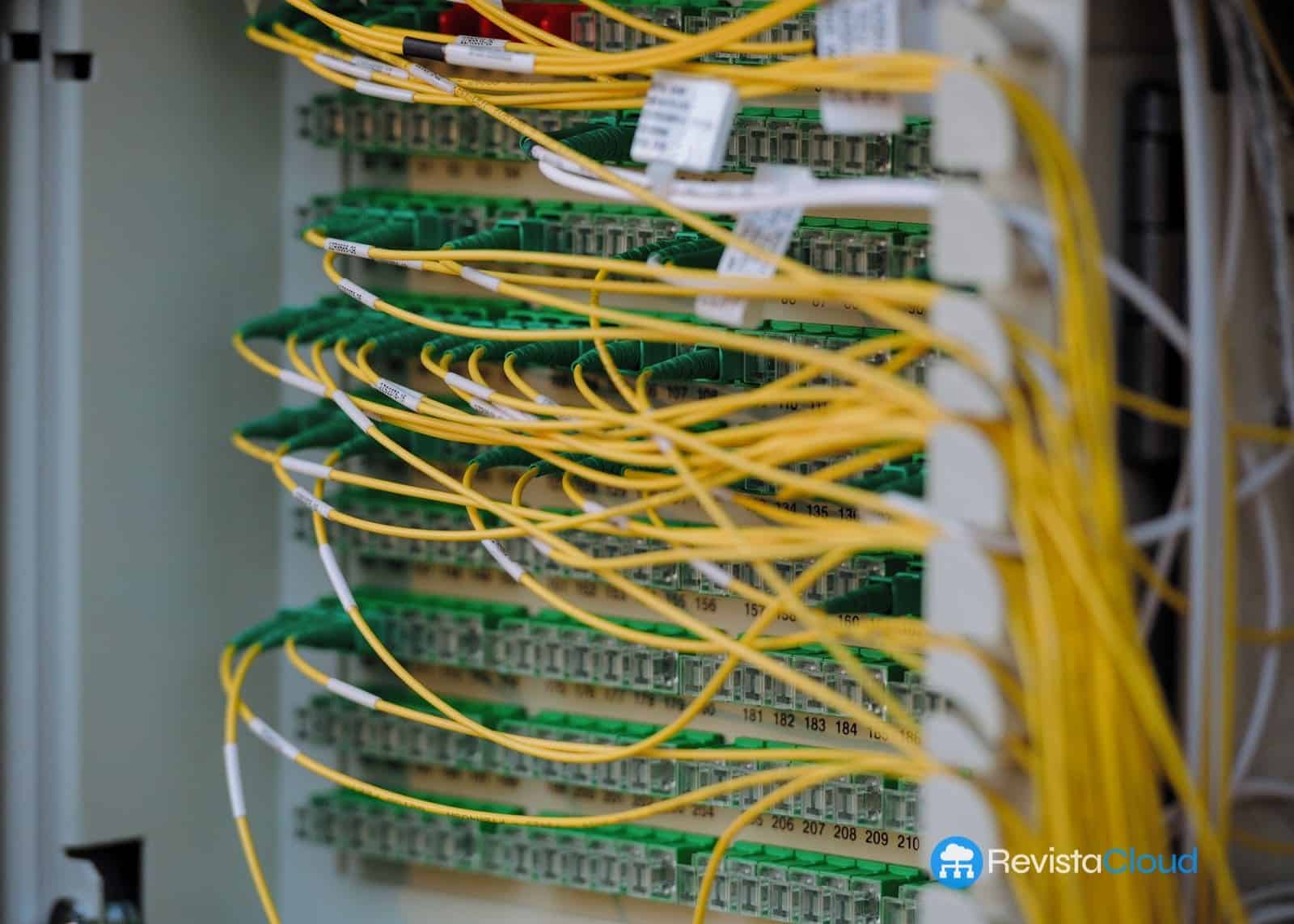
TOWARDEX and DE-CIX have announced a direct connection between the Hub Express System (HEX), an underground fiber-optic network deployed in Boston, and the DE-CIX New York internet exchange point. The agreement will let telecom operators, internet service providers, and businesses access New York networks and connectivity services without necessarily having to set up in traditional carrier interconnection facilities. The initiative aims to cut connection costs and simplify access to one of the largest traffic exchange platforms on the US East Coast.
HEX and DE-CIX in 20 seconds
- TOWARDEX and DE-CIX are connecting Boston’s underground HEX infrastructure to DE-CIX’s internet exchange in New York.
- The system allows networks to interconnect without depending on a single carrier hotel.
- According to the companies, the model eliminates the recurring cross-connect fees associated with that architecture.
- DE-CIX New York exchanged more than 5 exabytes of data during 2025 and connects more than 260 networks.
- The connections also open access to other markets in the US, Europe, and Latin America through DE-CIX’s network.
The announcement, published on October 8, 2026, introduces an interconnection model that shifts part of the traditional infrastructure away from specialized buildings and toward an open-access network of underground ducts. The idea is that operators can connect their fiber at different points across the city and access traffic exchange services from there, without having to contract physical connections at third-party facilities for every link.
What a Meet-Me Street is and why it changes interconnection
The Hub Express System is an underground telecommunications network developed by TWDX Infrastructure, a subsidiary of TOWARDEX. The company describes it as the first “Meet-Me Street” infrastructure in the United States, a concept that moves some of the functions traditionally concentrated in interconnection facilities into a network distributed across the city.
In the conventional model, operators typically rely on buildings known as carrier hotels, facilities where telecommunications networks, cloud service providers, and companies that need to exchange traffic come together. These facilities allow physical connections to be established between different networks, but they can involve costs for colocation, cross-connects, and transport to the building.
A cross-connect is the physical link that connects two pieces of equipment or networks within a facility. Although it may seem like a minor element within a broader infrastructure, its cost adds up when a company needs to establish numerous connections or operate across several data centers.
HEX aims to reduce that dependence through underground ducts that allow fiber to be interconnected at different points across Boston. This way, participating operators can leverage their own infrastructure and reach other providers without having to concentrate all their connections in a single building.
The system does not mean data centers or carrier hotels will disappear. These facilities remain necessary for housing equipment, servers, and communications systems. The difference is that HEX offers an alternative route to reach the networks and services available in those environments.
According to TOWARDEX, the infrastructure applies an open-access model so that authorized telecom operators can use its ducts under non-discriminatory conditions. This can expand the connectivity options available to providers that already have fiber in the region or that can contract transport services to the underground network.
DE-CIX New York opens access to more than 260 networks
The connection to HEX provides access to DE-CIX New York, a neutral traffic exchange platform that brings together networks from operators, content providers, and other participants in the internet ecosystem.
According to figures provided by DE-CIX, its New York platform handled more than 5 exabytes of total traffic during 2025 and connected more than 260 networks through infrastructure distributed across more than 40 data centers. The company describes it as the largest internet exchange point in the northeastern United States.
An internet exchange point, or IXP, allows different networks to exchange traffic directly through interconnection agreements, a practice known as peering. Instead of sending all traffic through transit providers, networks can exchange data directly when a suitable connection exists.
This model can improve the routes data takes and reduce certain transport costs. It can also help lower latency by avoiding unnecessary hops, although the outcome depends on network topology, available routes, and where users and services are located.
Ed d’Agostino, vice president of DE-CIX North America, explained that the connection from Boston provides access to networks, content, and cloud services that are not available locally. According to the executive, the agreement eliminates cross-connect costs in both Boston and New York and offers transport between the two cities at prices lower than the traditional model.
The company also highlights the ability to reach other DE-CIX locations through its network, including markets in the United States, Mexico, Brazil, and Europe. This means a network connected to HEX can use New York as a gateway to an international interconnection ecosystem, although the specific routes and services will depend on the connectivity contracted.
A commercial model for operators and businesses
The agreement relies on DE-CIX’s Carrier Turnkey Connectivity program, designed so operators, data centers, and other providers can offer access to its interconnection platforms without having to build all the necessary infrastructure themselves.
For regional fiber providers, the model can expand the commercial value of their networks. Rather than simply selling transport capacity, they can offer their customers access to a broader set of networks, cloud services, and international destinations.
TOWARDEX argues that the connection to DE-CIX reduces reliance on the processes associated with traditional carrier facilities, including certain coordination procedures and physical connections contracted from third parties. The company also believes the model can help providers retain a larger share of the revenue that would otherwise go toward interconnection costs.
Companies that don’t have fiber connected directly to HEX will be able to use dark fiber or Ethernet services from participating providers. This way, the connection is not limited exclusively to operators that own their own underground infrastructure.
The agreement can also benefit data centers and service providers that need to reach external networks without deploying independent infrastructure to each destination. However, actual availability will depend on the participating providers and the technical and commercial conditions of each connection.
The initiative comes at a time when connectivity between data centers, cloud platforms, and distribution networks is becoming increasingly important. Real-time applications, digital services, and AI workloads require efficient data exchange, although the announcement does not attribute a specific share of HEX’s expected demand to these applications.
The main development lies in the access architecture: a network of shared underground ducts that connects operators distributed across Boston to an international exchange platform. Its evolution will depend on how many providers join, the routes they contract, and the real savings they achieve compared with traditional alternatives.
Frequently asked questions
What is Boston’s Hub Express System?
HEX is an underground fiber-optic network developed by TWDX Infrastructure, a subsidiary of TOWARDEX. It allows networks to connect at different points across Boston without depending on a single interconnection facility.
What advantages does the connection to DE-CIX New York offer?
It lets operators and businesses access networks, content, and cloud services available through DE-CIX New York. The model aims to reduce cross-connect costs and simplify the procurement of connectivity.
What is an internet exchange point?
An IXP is infrastructure that lets different networks exchange traffic directly. This interconnection can reduce reliance on transit providers and improve communication routes.
Do you need your own fiber to use HEX?
Not necessarily. According to TOWARDEX, providers that aren’t directly connected can contract dark fiber or Ethernet services to access the infrastructure, subject to availability and commercial terms.
via: infrastructure.twdx
