
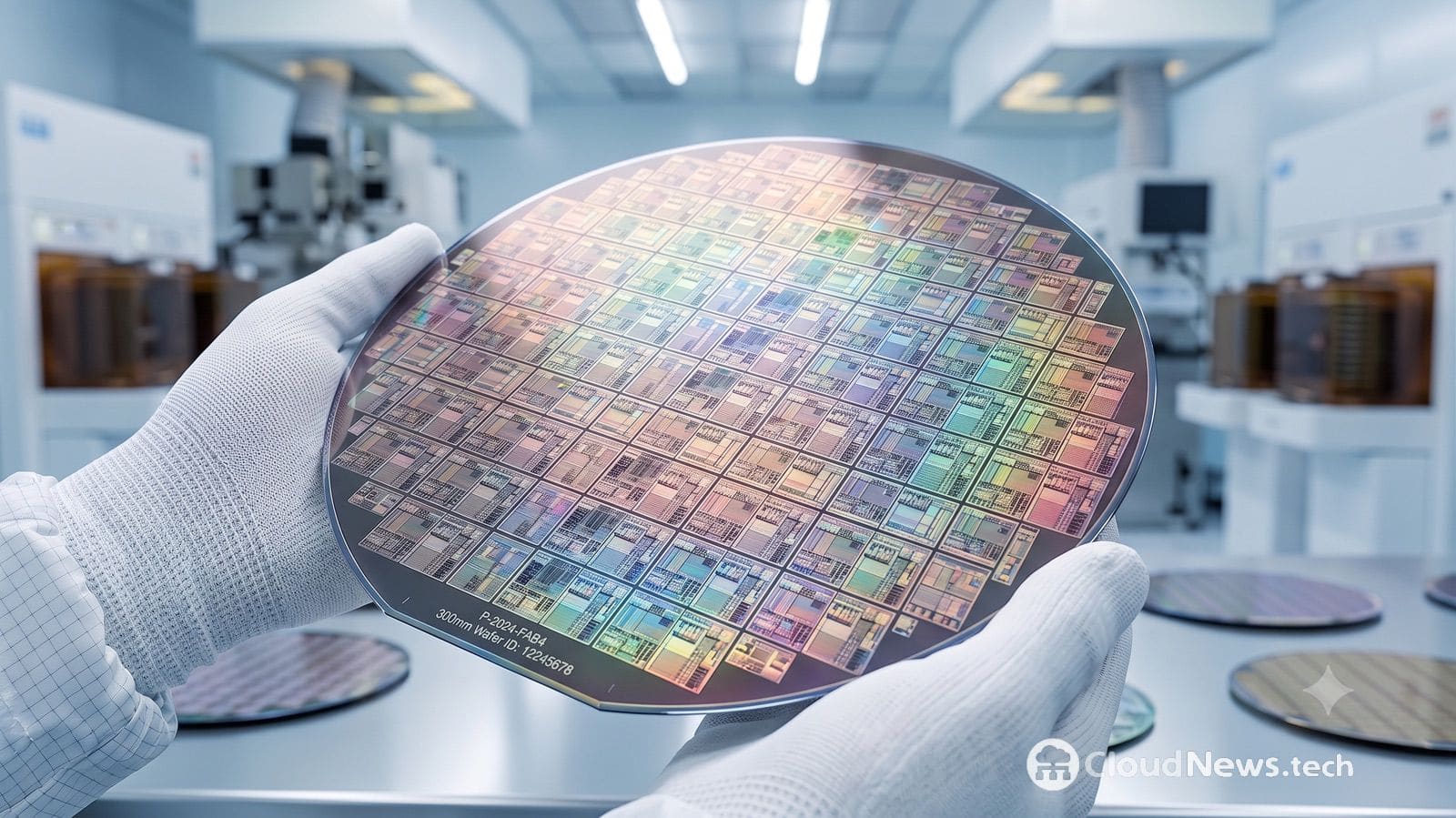
Bosch will reorganize its semiconductor business into a new, independent division starting in 2028 and plans to open more of its chip manufacturing capacity to outside customers, as it targets €5 billion in semiconductor sales by 2030. The German engineering group says the move is meant to give its chip business more strategic flexibility and better position it to serve growth markets beyond its traditional automotive customer base.
Bosch’s chip reorganization in 20 seconds
- Bosch will split its Mobility Electronics unit from a new, independent Semiconductors division, effective January 1, 2028.
- The company targets €5 billion in semiconductor sales by 2030.
- Bosch wants to open more of its wafer fabrication capacity to third-party customers, not only its own automotive units.
- It is investing €3 billion to expand its Dresden and Reutlingen plants in Germany, and $2 billion to expand its Roseville, California, plant.
- Bosch is also expanding a test center in Penang, Malaysia, and holds a 10% stake in European chipmaking venture ESMC.
Bosch has traditionally designed and manufactured semiconductors mainly for its own automotive electronics, such as sensors and chips used in driver-assistance systems and vehicle safety equipment. With this reorganization, the company wants to turn semiconductors into a more independent business line that can also serve customers outside the Bosch group and outside the automotive sector.
A new division, separate from mobility electronics
Starting January 1, 2028, Bosch’s semiconductor activities will be managed as their own division, split off from Mobility Electronics, the unit that has housed them until now. The company says the change gives the chip business room to make its own strategic and investment decisions, rather than having them folded into the broader mobility unit’s priorities.
Bosch frames the restructuring as a response to how the semiconductor market itself has changed. Demand for chips is increasingly coming from outside the automotive industry, driven by robotics, industrial sensors, and the data centers that power AI systems, and Bosch wants its chip unit structured so it can chase that demand directly instead of only serving internal customers.
Robotics, sensors, and AI data centers as growth markets
Bosch points to several markets beyond automotive where it sees demand for semiconductors growing. Robotics and industrial automation need sensors and power components to operate reliably in physical environments. AI data centers need chips for power management and connectivity at a scale that has grown sharply as AI infrastructure investment has accelerated.
Bosch cites outside research to back its growth expectations. According to figures from McKinsey that Bosch references, global semiconductor demand could reach 3.6 million wafers a month by 2030. Separately, analysis from Strategy& and the German industry association ZVEI projects that semiconductor demand could roughly double by 2040 compared with current levels.
Opening capacity to outside customers
A central piece of the strategy is making more of Bosch’s own wafer fabrication capacity available to external customers, rather than reserving it for the company’s internal automotive electronics needs. Bosch is backing that shift with new investment in its manufacturing footprint.
In Germany, Bosch is investing €3 billion to expand its wafer fabrication plants in Dresden and Reutlingen. Dresden, where GlobalFoundries is also expanding its own factory, has become one of the more active hubs for chipmaking capacity growth in Europe, as multiple manufacturers invest in the region at the same time.
In the United States, Bosch is investing $2 billion to expand its plant in Roseville, California. The company is also expanding a test and qualification center in Penang, Malaysia, part of its push to broaden its manufacturing and testing footprint across multiple regions rather than concentrating investment in a single country.
Bosch also holds a 10% stake in ESMC, the European chipmaking joint venture backed by TSMC, Bosch, Infineon, and NXP, which is building a new fab in Dresden. That stake gives Bosch a position in advanced chipmaking capacity it does not fully own or operate itself, alongside the capacity expansions at its wholly owned plants.
A €5 billion sales target for 2030
Bosch has set a target of €5 billion in semiconductor sales by 2030. Reaching that figure would depend on both the reorganization succeeding in opening up new external customers and on the broader semiconductor demand growth that Bosch is citing from McKinsey, Strategy&, and ZVEI actually materializing on that timeline.
The company has not published a detailed breakdown of how much of that €5 billion target it expects to come from automotive customers versus the new external markets it is now targeting, nor has it specified current semiconductor revenue as a baseline for the target.
Frequently asked questions
When will Bosch create its new semiconductor division?
The new, independent Semiconductors division takes effect on January 1, 2028, when it will be split off from Bosch’s Mobility Electronics unit.
How much does Bosch want to earn from chips by 2030?
Bosch has set a target of €5 billion in semiconductor sales by 2030.
Will Bosch manufacture chips for other companies?
Yes. Bosch plans to open more of its wafer fabrication capacity to external customers, rather than reserving it solely for its own automotive electronics needs.
Which markets does Bosch want to grow in with its semiconductors?
Beyond automotive, Bosch is targeting robotics, industrial sensors, and AI data centers as growth markets for its chip business.
Sources:
This article is also available in Spanish: «Bosch reorganiza su negocio de chips y quiere alcanzar 5.000 millones en ventas en 2030», on revistacloud.com.
