
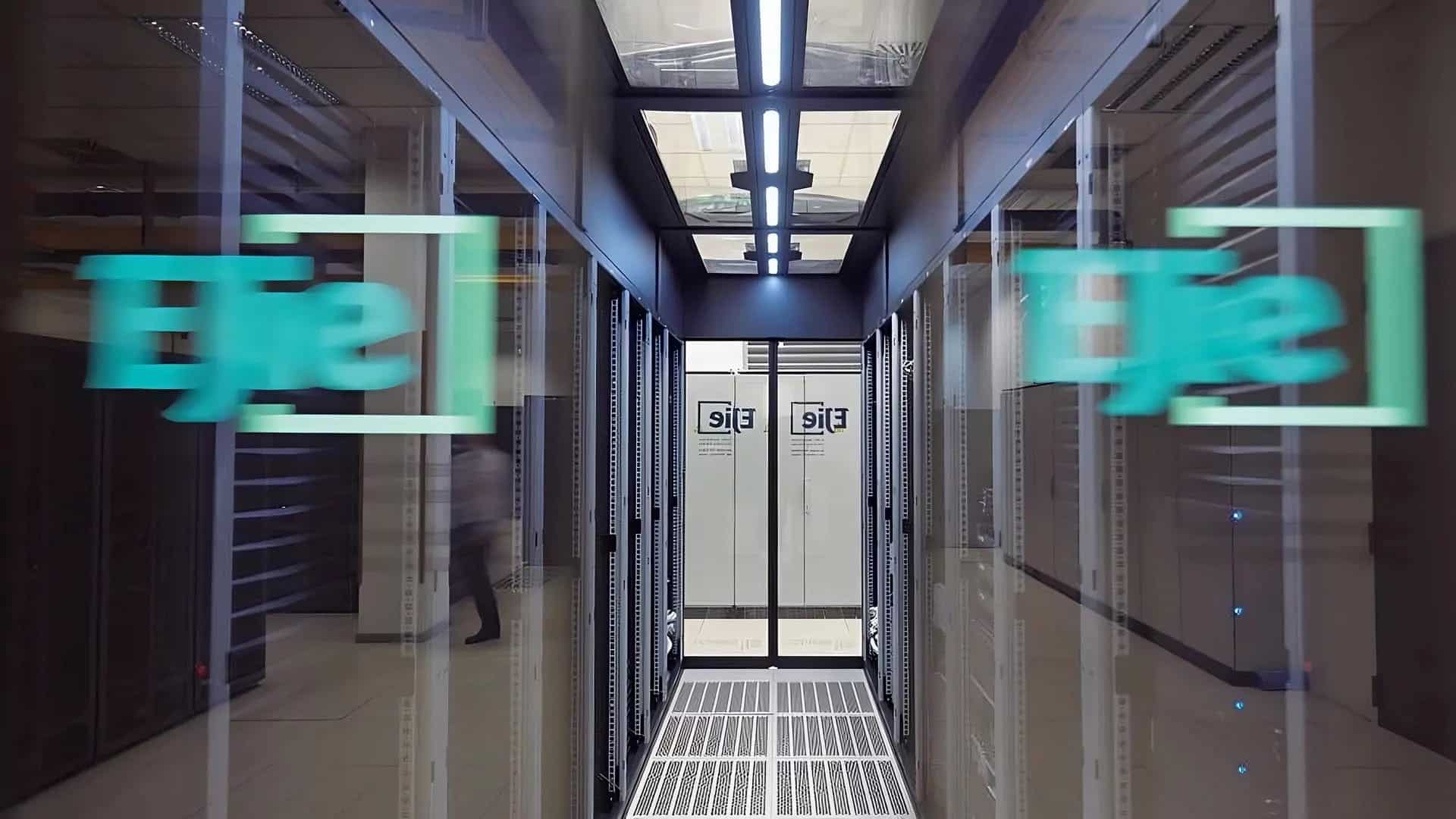
The Spanish technology map is moving again with a major deal: a consortium composed of Indar Kartera (an investment vehicle of Kutxabank), Fundación BBK, the Basque Government (through Finkatuz, an instrument of the Basque Institute of Finance), and the company Teknei has reached an agreement to acquire Ayesa Digital from its current shareholders, A&M Capital Europe and the Manzanares family.
The transaction, as announced, is pending approval from the relevant authorities and will be finalized in the coming months. The sector interprets this as the beginning of a new phase focused on consolidating the company as one of Europe’s leading digital service providers, at a time when demand for advanced capabilities—ranging from artificial intelligence to cybersecurity—has become a key factor of competitiveness for companies and institutions.
A cycle shift for a firm with an industrial and public footprint
Ayesa Digital is among the main players in the Spanish tech services market, with a broad client base and projects tied to the digital transformation of major organizations. The buying consortium emphasizes that this operation aims to provide shareholding stability and preserve business continuity, a notion gaining strength in a sector where consolidation—through acquisitions, integrations, and funds—has shaped much of the last decade.
The agreement also has a territorial perspective: the acquired perimeter includes businesses linked to the historic Ibermática, a brand with strong presence in the Basque Country. In this context, the partners highlight the goal of strengthening the decision-making center and positioning Euskadi as a technology hub, while maintaining the group’s national and international ambitions.
What the new ownership aims to build
The announced plan for this new phase focuses on strategic high-growth areas: artificial intelligence, cybersecurity, process automation, data management, and quantum computing, along with capabilities related to advanced digital services and cloud environments.
Beyond the technological roadmap, the message accompanying this operation revolves around employment and talent. Ayesa Digital operates with a broad structure and a consolidated network, and the consortium emphasizes that the project aims to ensure continued employment and open new professional opportunities, with particular focus on digital skills training and profiles linked to innovation and development.
Simultaneously, there is an intention to generate ecosystem synergies: fostering collaborations with SMEs and startups to strengthen the value chain, push joint projects, and elevate the level of specialization within the business fabric. Practically, this will be measured by the capacity to secure more complex projects, retain scarce profiles (AI, security, data), and compete successfully in major technology competitions.
Leadership continuity and the 2026 goal
In terms of governance, the buyers have expressed their intention to maintain confidence in the current management team, considered a key asset during negotiations. It has also been announced that José Luis Manzanares will remain CEO until the transition concludes.
Another key point is the internal timeline: the consortium envisions that shareholder stability will enable Ayesa Digital to operate as an independent business by 2026, maintaining its growth plans and expanding capabilities. This timeline aligns with the current race to position in critical technologies (AI, cybersecurity, automation) that are increasingly seen not just as IT projects but as strategic infrastructure for the economy.
A deal illustrating the new technological competition
The context is clear: digital transformation is no longer just about system migration but about turning data into decisions, securing attack surfaces, and automating processes in companies and institutions under cost pressures. In this landscape, competition isn’t limited to traditional consultancies or global integrators; it also comes from the software, cloud, and major platform providers.
Therefore, operations like this are driven not only by size or portfolio but also by practical technological sovereignty (where decisions are made, where investments are directed, where qualified employment is created) and the desire to build groups capable of executing complex projects across Europe without complete reliance on external actors.
Frequently Asked Questions
Who is buying Ayesa Digital and what role does each partner play?
The buyer is a consortium composed of Indar Kartera (linked to Kutxabank), Fundación BBK, the Basque Government through Finkatuz, and the technology company Teknei. The declared goal is to bring stability, financial strength, and an industrial focus to Ayesa Digital’s growth.
When will the acquisition of Ayesa Digital be finalized?
The agreement is signed, but the closing will occur in the coming months once the necessary regulatory approvals are obtained.
What technological areas does Ayesa Digital aim to develop after the acquisition?
The new phase emphasizes artificial intelligence, cybersecurity, process automation, data, and quantum computing, along with advanced capabilities related to digital services and cloud.
What does it mean for Ayesa Digital to be “autonomous” in 2026?
It means that its digital operations will run with their own structure and management aligned with their growth plan, providing greater agility to invest, integrate capabilities, and compete in large-scale digital transformation projects.
via: Ayesa