
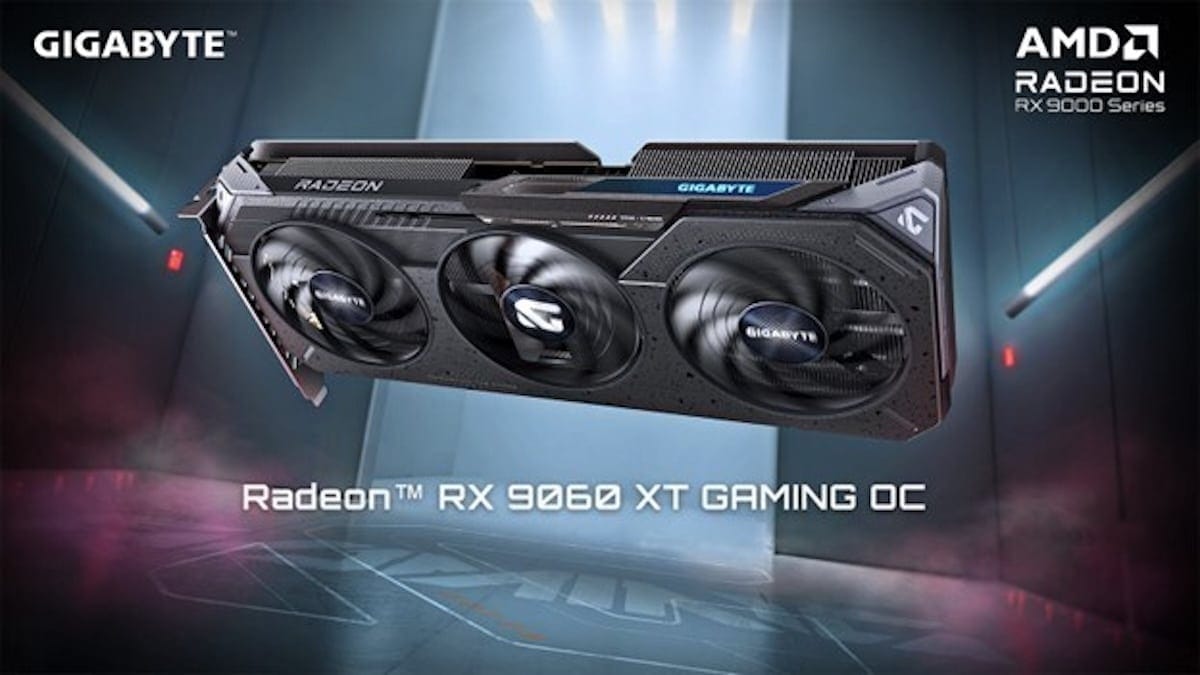
AMD has already applied a new round of price increases to several of its Radeon graphics cards in China, with hikes reaching 15.4% on some models. The information, attributed to specialized outlet Board Channels, indicates the adjustment took effect on October 1 and could extend to other markets in the coming weeks. The company hasn’t publicly confirmed these new prices, so there’s still no official reference that would let the Chinese figures be carried over directly to other markets such as Spain.
AMD Radeon GPUs in 30 seconds
- The new reference prices in China affect five of the seven models included in the report.
- The Radeon RX 7650 GRE shows the biggest increase, 15.4%, followed by the 16 GB RX 9060 XT at 14%.
- The RX 9070 rises 12.5%, while the RX 9070 XT and the RX 6500 XT hold their reference prices.
- Rising costs for graphics memory and chip manufacturing appear to be behind the adjustments.
- European prices could change, but the available figures don’t confirm how much Radeon cards will cost in markets like Spain.
The increase comes as component costs once again put pressure on hardware prices. According to the published information, AMD appears to be passing part of that cost increase on to its commercial partners, who then decide how to apply it to the final price. How prices evolve in European stores will determine the real effect for anyone thinking about building or upgrading a gaming PC.
The Radeon RX 9070 and the 16 GB RX 9060 XT among the hardest hit
The data released by Board Channels cover changes to online retail reference prices in China for the fourth quarter of 2026. The Radeon RX 9070 goes from 5,599 to 6,299 yuan, an increase of 700 yuan equivalent to 12.5%. The 16 GB RX 9060 XT rises by 600 yuan, or 14%, while the 8 GB version goes up 300 yuan, or 9.7%.
The RX 7650 GRE tops the list by percentage, with a 15.4% increase. The RX 9070 GRE also gets more expensive, though to a lesser extent, rising 8.7%. The RX 9070 XT and RX 6500 XT, on the other hand, show no changes in the reference prices collected in the report.
| Graphics card | China reference price | Reported increase |
|---|---|---|
| Radeon RX 9070 XT | 6,999 yuan | 0% |
| Radeon RX 9070 | 6,299 yuan | +12.5% |
| Radeon RX 9070 GRE | 4,999 yuan | +8.7% |
| Radeon RX 9060 XT 16 GB | 4,899 yuan | +14.0% |
| Radeon RX 9060 XT 8 GB | 3,390 yuan | +9.7% |
| Radeon RX 7650 GRE | 2,999 yuan | +15.4% |
| Radeon RX 6500 XT | 1,599 yuan | 0% |
The figures in the table correspond to the Chinese references collected in the original report. They shouldn’t be read as official prices for other markets or as a direct conversion of what European stores will charge. Taxes, distribution, commercial margins, and availability can all create differences between markets.
The RX 9070 stands out for the absolute increase noted in the report: 700 yuan more than before. The 16 GB RX 9060 XT also shows a notable change, with a 14% rise. For buyers, the effect doesn’t depend solely on the percentage: what matters is how much the card costs at each retailer and what alternatives exist in the same price range, a question that has only grown more pressing as desktop graphics card shipments hit a four-year high even as prices kept climbing.
The adjustment also reaches lower-priced models, such as the 8 GB RX 9060 XT and the RX 7650 GRE. If the increases reach European distributors, they could also push up the price of budget gaming builds. However, that outcome still depends on whether the changes are confirmed in international markets and how retailers apply them.
Rising memory and chip costs put pressure on prices
The explanation given by Board Channels points to rising prices for graphics memory, known as VRAM, and for manufacturing graphics processors. According to that report, each 2 GB memory chip had seen another increase of close to 10%. It also mentions rising costs for printed circuit boards (PCBs), electronic components, and other raw materials.
On top of those factors comes the reported rise in semiconductor manufacturing costs. The original report links the adjustment to a cost increase attributed to TSMC, although the available data don’t make it possible to calculate how much of that increase corresponds to each component or how directly it feeds through to the final cost of a Radeon card.
The sales chain also affects the price the consumer ultimately pays. If AMD changes the commercial terms applied to its partners, card makers and distributors can pass part of that difference on to the sale price. The outcome doesn’t have to be identical for every model, brand, or country, since each product starts from a different price and can have different availability.
The report also recalls that back in September, warnings were already circulating about possible price increases on AMD products during the fourth quarter. Those forecasts included Ryzen processors, but the existence of earlier warnings doesn’t by itself confirm that every model will get more expensive, or that they will all rise by the same proportion.
References to possible increases through 2027 and even part of 2028 should, for now, be treated as forecasts. There is no official confirmation from AMD in the information provided that establishes a general increase for that entire period.
For anyone shopping for a graphics card, the most useful reference will be checking actual prices at local stores and comparing models with similar specs. A rise in reference rates in China doesn’t necessarily mean every Radeon will immediately get more expensive in Europe, but it is a sign of cost pressure worth watching before buying.
Frequently asked questions
Which AMD Radeon graphics cards have gone up in price?
According to the data attributed to Board Channels, the RX 9070, the RX 9070 GRE, both versions of the RX 9060 XT, and the RX 7650 GRE have all gone up. The RX 9070 XT and the RX 6500 XT keep their reference prices in the published table.
Which Radeon has the biggest price increase?
The RX 7650 GRE shows the largest percentage increase among the models included, at 15.4%. It’s followed by the 16 GB RX 9060 XT, up 14%.
Will Radeon prices also rise in Spain?
The information suggests the adjustment could extend to other markets, but AMD hasn’t publicly confirmed the new rates. For now, it’s not possible to say how much prices will rise in Spain or when the change will show up in stores.
Why are graphics card prices rising?
The report points to rising costs for VRAM memory, graphics chips, printed circuit boards, and other components. AMD appears to be passing part of those costs on to its commercial partners, although no breakdown has been published that would allow the impact of each factor to be measured.
