
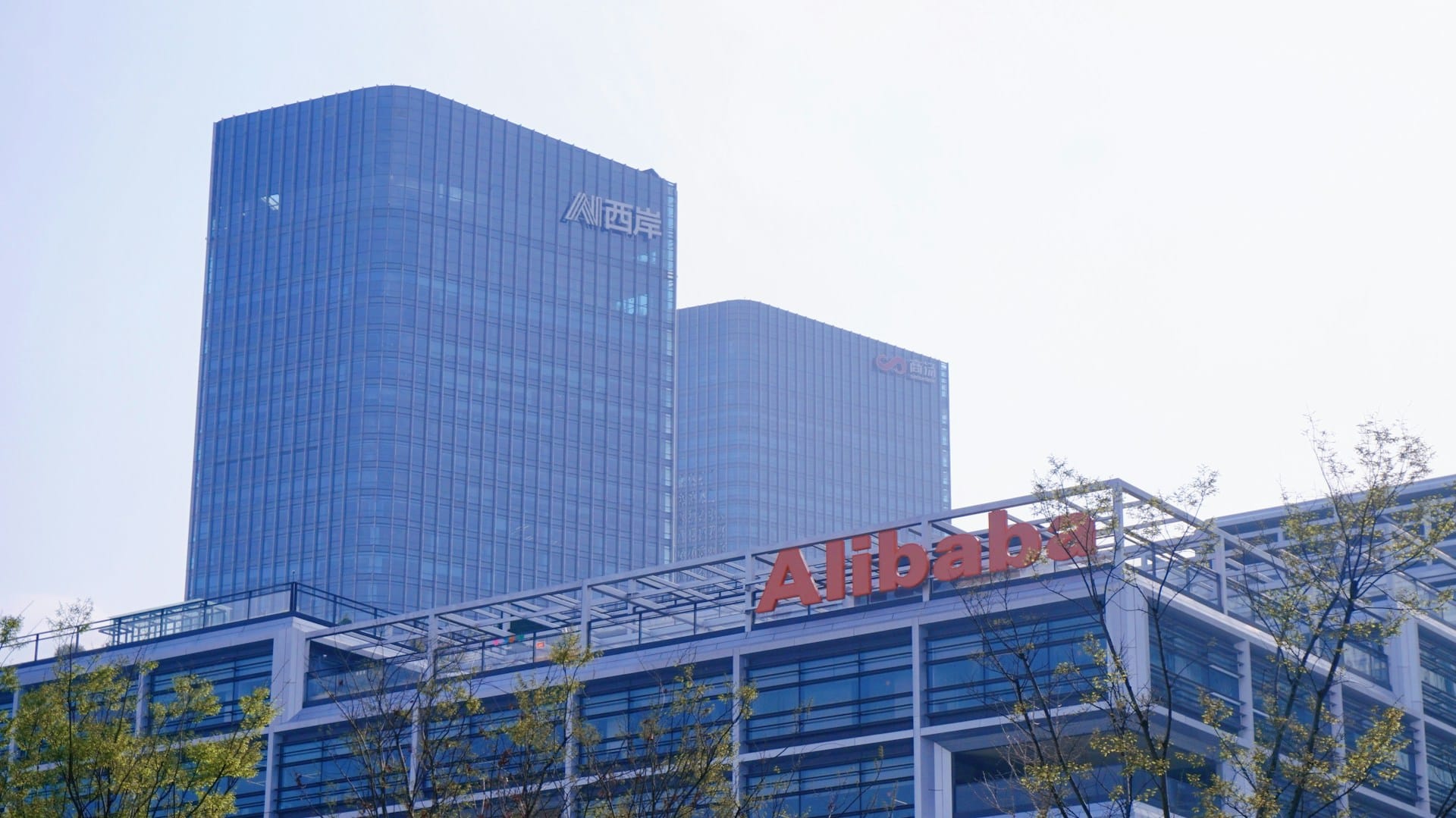
Alibaba is working on a potential IPO for T-Head, its semiconductor design arm, in a move that aligns with a broader ambition: securing capital to accelerate investments in artificial intelligence (AI) infrastructure and, in the process, strengthen its technological autonomy during a time of heightened geopolitical pressure on the advanced chip supply chain.
According to reports published this week, the plan involves reorganizing T-Head to allow for a partial employee stake before going public, although no confirmed timetable has been set. The goal is twofold: to turn T-Head into a self-funded asset — less dependent on the group’s balance sheet — and simultaneously create a vehicle capable of supporting the growing costs of designing and manufacturing competitive hardware for AI workloads.
Why T-Head matters in the “Post-ChatGPT Alibaba” era
Alibaba has competed for years in cloud computing and digital services, but the rise of generative AI has shifted the landscape: who controls computing controls the product. In this context, T-Head is not just a chip lab; it’s a strategic industrial asset.
Founded in 2018, T-Head has launched several design lines (including developments related to the RISC-V ecosystem and chips for various data center applications). Simultaneously, Alibaba has publicly reiterated that its next growth phase revolves around cloud + AI, with large-scale investments to sustain capacity, efficiency, and availability.
This is where the financial equations become critical: designing chips is expensive, but building AI infrastructure is even more so. Doing so in China, with external restrictions and a domestic market pushing for “buy nationally,” adds an element of urgency.
The figure that explains everything: massive investment in cloud and AI
Alibaba has announced its intention to invest at least 380 billion yuan over the next three years to advance its cloud and AI infrastructure, roughly around 52 billion USD at approximate exchange rates. Practically, such a commitment necessitates finding sources of financing, asset rotation, and corporate structures that allow maintaining the pace without sacrificing group flexibility.
The potential IPO of T-Head could serve as one of these levers: providing capital for growth, increasing visibility among investors, and establishing a clear “strategic hardware” narrative in a cycle of investment that cannot be sustained solely through software revenue.
A domestic market with few winners… and excessive demand
If Alibaba wants T-Head to compete at the top level, the challenge is not only technological. It’s also about the ecosystem: tools, compilers, libraries, drivers, compatibility with AI frameworks, and capacity to deliver products at scale with a stable supply chain.
In China, the race for AI accelerators is concentrated around industry-heavy and politically influential players. Huawei stands out as an inevitable reference in acceleration and platform development, while specialized firms like Cambricon compete for market share and relevance. In that environment, T-Head aims to become a viable alternative for companies seeking AI power with reduced dependence on external suppliers.
The nuance is important: even if the hardware is capable, mass adoption depends on the entire “stack” functioning well and on consistent performance in production—not just in demonstrations.
The “macro” perspective: more IPOs to fund AI sovereignty
Alibaba’s move is happening as other Chinese chip companies explore or execute corporate transactions to raise funds. Investor interest in this segment has intensified amid restrictions on Western chips and government efforts toward self-sufficiency.
A recent example is Moore Threads, whose debut on the Shanghai STAR Market has been viewed as a thermometer for the appetite for “national champions” in GPU/AI, even among companies still building technological and financial maturity. Additionally, reports have emerged about IPO plans related to chip units of other major Chinese tech groups, following a pattern with a shared goal: turning AI spending into a market-financeable program, not just an internal corporate expense.
What changes if T-Head goes public?
If the IPO materializes, the implications would be clear:
- Dedicated financing: T-Head could raise capital with its own risk/return profile (semiconductor-specific), separate from the traditional e-commerce or cloud arms.
- Talent attraction: Liquid equity and public visibility aid in competing for scarce profiles (silicon architects, compilers, kernels, optimization specialists).
- Strategic signaling: Alibaba would reinforce its position as an “end-to-end” player (design, platform, infrastructure, and part of the hardware).
- Increased scrutiny: A listed chip company lives under constant watch: margins, roadmaps, yield, reliance on foundries, actual delivery capacity, etc.
The big question is timing: capital markets can be allies, but they also penalize plans dependent on unpredictable technical milestones.
Frequently Asked Questions
What is T-Head, and what role does it play within Alibaba?
T-Head is Alibaba’s chip design unit. It develops chips for various scenarios (including data centers) and supports the group’s strategy to strengthen its technological capabilities in cloud and AI.
How would an IPO help accelerate AI infrastructure?
It would allow raising external capital and financing a highly investment-intensive business (R&D, prototyping, validation, software support, industrial scaling) over the long term, reducing reliance solely on internal funds.
Can T-Head compete with Huawei or Cambricon in AI accelerators?
Competing involves more than just chip fabrication: it requires proven performance, sustained availability, and a robust software ecosystem. There is strong domestic demand, but the level of production-grade performance standards is high.
How does this relate to restrictions on advanced chips?
Trade restrictions and tensions have accelerated interest in domestic alternatives. This pushes Chinese companies to invest more in proprietary design and seek additional funding to sustain their efforts.
via: tomshardware and bussinestime