
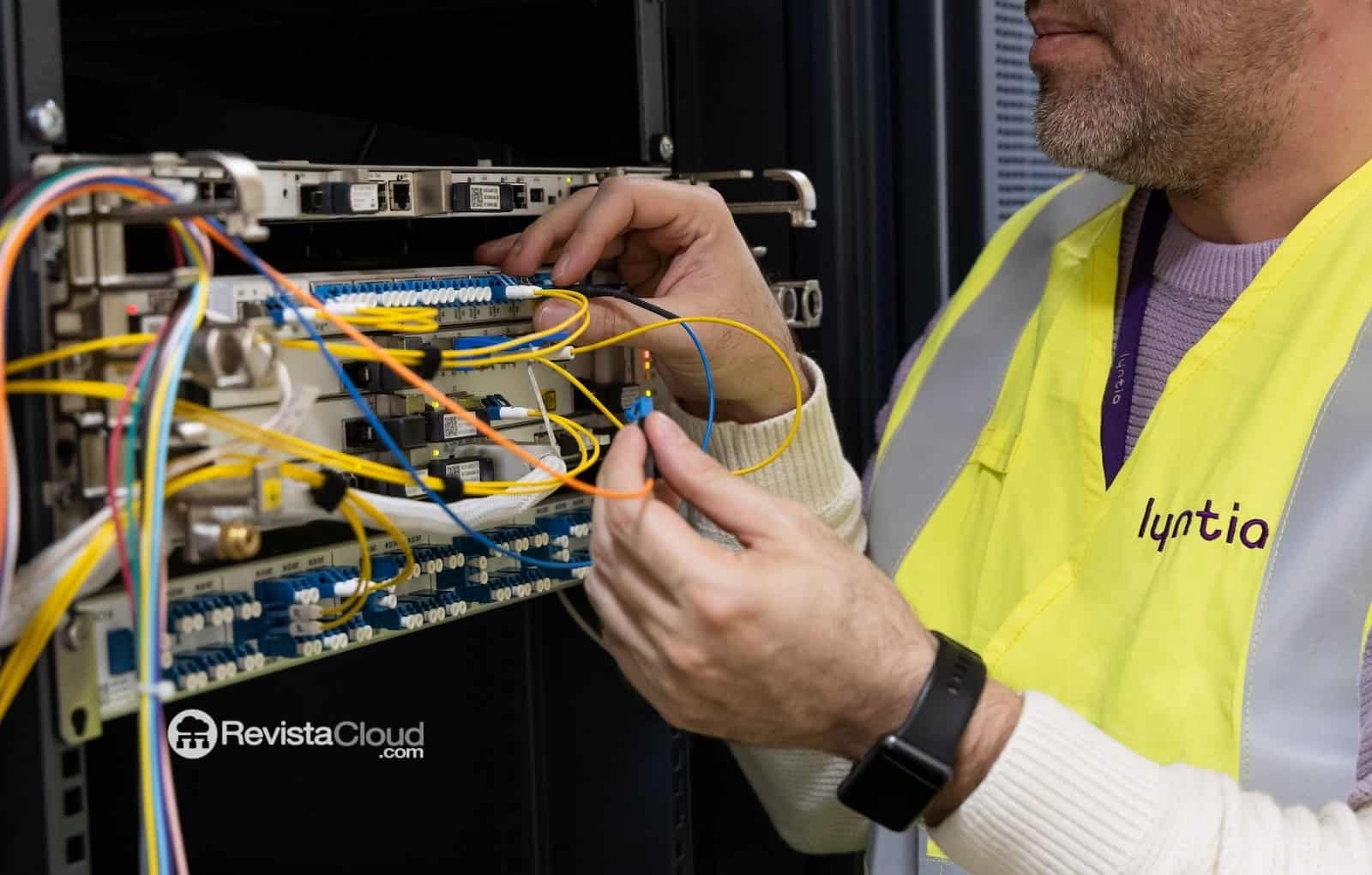
The government has taken a new step to reduce the costs and timelines for deploying telecommunications networks. The Ministry for Digital Transformation and the Civil Service has opened a public consultation on the order that will regulate the Single Information Point (PIU), a platform that will centralize information about trenches, poles, conduits, public works, permits, and access rights to facilitate planning for new fiber optics, 5G, and future gigabit networks.
The key points of the Single Information Point in 30 seconds
- Spain will create a national platform with information on reusable infrastructure for telecommunications.
- The PIU is designed to comply with European Regulation 2024/1309 and to reduce the costs of deploying new networks.
- Telecommunications, energy, water, transportation, and administrative operators will be required to provide information.
- It will also centralize permit management and allow tracking of authorization statuses.
- The goal is to accelerate the deployment of fiber, 5G, and future ultra-high capacity networks.
This initiative responds to a well-known reality for any operator: a significant portion of the costs associated with deploying a network is not in the cable or equipment, but in civil works and the administrative complexity involved in obtaining permits or locating available infrastructure.
A platform to know what infrastructure already exists
The future Single Information Point will function as a comprehensive national inventory of infrastructures that could host electronic communication networks.
When the ministerial order comes into effect, obligated agencies and operators must include information about elements such as:
- Conduits
- Chambers
- Registration boxes
- Masts
- Inspection shafts
- Distributors
- Other reusable physical infrastructures
They will also need to report on civil works financed with public funds within their scope, indicating start dates, duration, and project status.
This way, an operator can determine if a conduit is available before digging a new trench or coordinate deployment with already scheduled public works.
The goal: less civil works and less bureaucracy
Reusing existing infrastructure is one of Brussels’ main measures to lower the costs of deploying gigabit networks.
According to the Ministry, the PIU will also serve as an access point for managing administrative permits related to network deployment.
The platform will enable direct access to the relevant electronic portals and permit users to check the status of applications, streamlining procedures that currently depend on multiple agencies.
The regulation also includes limitations when information might impact national security, critical infrastructure, or public safety.
Spain has an advantage… but deployment remains complex
The development of the PIU comes at a time when Spain already boasts one of Europe’s most advanced telecommunications infrastructures.
According to the Ministry’s data:
- 95.97% of the population has FTTH (fiber to the home) coverage.
- 99% has 5G coverage.
Thanks to this high level of coverage, the challenge is no longer about deploying large national networks, but about reaching areas where deployment is more costly from a technical and economic perspective.
In this context, having centralized information about existing infrastructure can significantly reduce both the time and costs of new projects.
A significant change for operators and digital infrastructures
The creation of the PIU stems from Regulation (EU) 2024/1309, approved to facilitate the deployment of gigabit electronic communication networks across all member states.
The obligation to provide information will fall on telecommunications, electricity, gas, water, heating, transportation operators, and public administrations.
Municipalities with populations under 50,000 may delegate this management to provincial councils or autonomous communities.
Once the ministerial order is approved, the obligated entities will have three months to upload their information to the platform.
The public consultation will remain open until September 4th, prior to the final approval of the regulation.
Frequently Asked Questions
What is the Single Information Point (PIU)?
It is an electronic platform that will gather information about infrastructure, public works, and permits to facilitate the deployment of very-high-capacity telecommunications networks.
Who will be required to provide information?
Telecom operators, electricity, water, gas, transportation entities, and public administrations, among others covered by the upcoming regulation.
What benefits will it bring to operators?
It will help locate reusable infrastructure, coordinate deployment with public works, and simplify administrative permit management.
Why is this important now?
Because Spain already has high coverage of fiber and 5G, reducing costs and administrative complexity will be essential to extend connectivity to areas still experiencing coverage gaps.
