
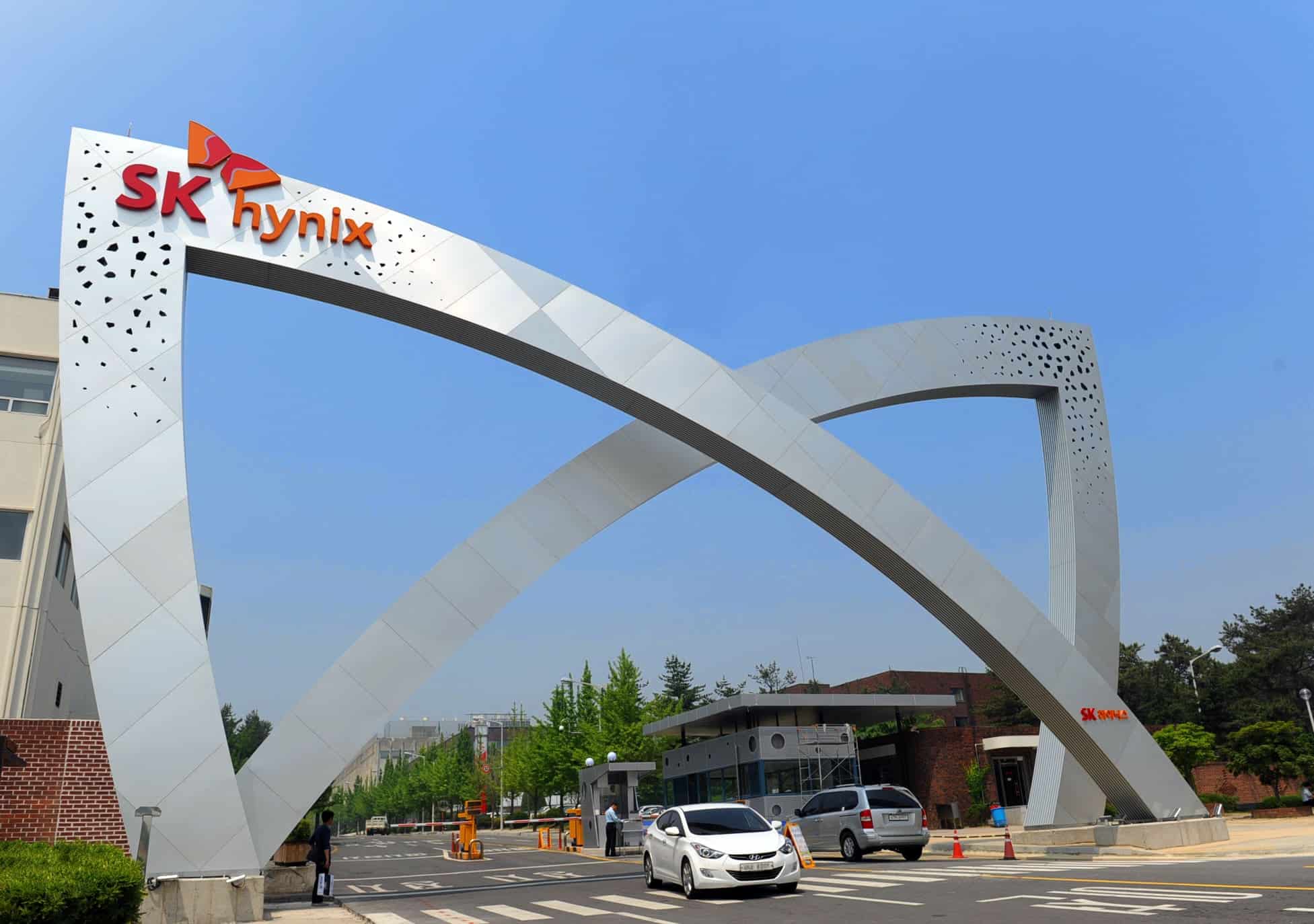
SK hynix has reported historic results in the second quarter of 2026, driven by strong demand for memory for artificial intelligence. The South Korean manufacturer posted an operating profit of 60.54 trillion won, a 557% increase compared to the previous year, and achieved an operating margin near 76%. However, the figures did not meet market expectations: its shares fell about 10% after the earnings release, impacted by very high investment forecasts and profits slightly below analyst expectations.
Key Highlights of SK hynix’s Results in 30 Seconds
- SK hynix recorded revenues of 79.32 trillion won and an operating profit of 60.54 trillion won in Q2 2026.
- The operating profit surged 557% year-over-year thanks to demand for HBM memories for AI.
- The company announced a robust investment plan to expand its production capacity.
- Shares dropped nearly 10% due to market expectations of even higher profits and fears of increased capital expenditure.
- Demand for AI memory continues to outpace industry manufacturing capacity.
SK hynix’s performance reflects a growing trend in the tech sector: extraordinary financial results don’t always lead to positive stock market reactions. Investors often prioritize future expectations over current figures, especially in companies related to artificial intelligence.
In this case, the company continues to benefit from the boom in HBM (High Bandwidth Memory), an essential component for AI accelerators used by firms like NVIDIA, AMD, and major cloud service providers.
HBM Memory Remains the Industry’s Main Driver
Over the past two years, demand for AI memory has completely transformed the DRAM market.
While the traditional PC and mobile markets are slowly recovering, data centers dedicated to AI require ever-increasing amounts of high-performance memory.
HBM memories enable AI accelerators to operate with bandwidths far exceeding conventional memory, making them critical for training and running large-scale language models.
SK hynix currently holds a leadership position in this segment and is one of the main HBM suppliers for NVIDIA. This advantage has allowed the company to increase both revenues and margins over recent quarters.
The 79.32 trillion won in revenue and 60.54 trillion won in operating profit mark new highs for the company and demonstrate how AI is driving the memory industry.
Beyond growing demand, supply remains constrained. Manufacturing HBM requires advanced encapsulation, interconnection, and stacking processes, which only a few manufacturers currently master.
Market Expectations Were Higher
Despite these results, the market’s reaction was negative.
The main reason is that some investors were expecting an operating profit close to 64 trillion won, which was above the actual figure reported.
In the stock market, it’s not just about high growth; beating analyst forecasts is often more important.
When a company posts record profits that are slightly below expectations, many investors take the opportunity to realize gains after months of significant gains.
Additionally, market concerns are heightened by the massive increase in planned investments.
Increased Investment to Boost Memory Production
Demand for AI memory continues to grow faster than industry production capacity.
SK hynix anticipates DRAM shipments will rise about 10% in Q3 compared to Q2, but to sustain this pace, it needs to expand manufacturing facilities and acquire new equipment.
The company announced a significant investment program aimed at increasing production capacity for advanced memories.
Simultaneously, it completed a major financial operation through the issuance of 177.9 million deposit receipts, raising approximately $26.51 billion to strengthen its financial structure.
Much of these resources will be allocated to financing new facilities and expanding production.
The market interprets these investments in two ways:
On one hand, they show the company’s confidence that demand will remain strong for several years.
On the other, they imply a substantial increase in capital expenditure that could reduce short-term profitability and elevate risks if AI market growth slows in the future.
Demand Continues to Outstrip Supply
One of SK hynix’s key messages is that the industry has not yet been able to meet market demand for memory.
It’s not only the South Korean firm expanding capacity.
Samsung Electronics, Micron Technology, and other manufacturers are also accelerating investments to increase DRAM and HBM production.
However, expanding a semiconductor plant is a lengthy process.
Building new facilities, installing lithography, encapsulation, and testing equipment, as well as qualifying manufacturing processes, can take several years and cost billions of dollars.
Many analysts believe that the supply-demand tension will persist well into 2027, especially for products related to AI.
This situation also explains the recent rise in memory prices observed over the past months.
Future developments will depend on factors such as AI demand evolution, new factory startups, and manufacturers’ ability to improve production efficiency.
AI Continues to Drive Sector Investment
SK hynix’s results are consistent with a broader sector trend.
Memory makers, advanced packaging companies, lithography equipment providers, and data center operators are increasing investments to respond to the growth of AI.
This expansion is particularly benefiting high-value products like HBM memory, while other traditional segments evolve more moderately.
However, the stock market reaction shows that investors aren’t only focused on current growth.
They are also scrutinizing whether companies will sustain these extraordinary margins as production capacity increases and the market matures.
For now, AI continues to fuel unprecedented demand for memory, but maintaining this pace will require billions in investments over the coming years.
Frequently Asked Questions
How much did SK hynix earn in Q2 2026?
The company generated revenues of 79.32 trillion won and an operating profit of 60.54 trillion won, a 557% increase year-over-year.
Why did shares fall despite record results?
Profits were slightly below market expectations, and investors were concerned about the significant increase in investments needed to expand production.
What role does HBM memory play in these results?
HBM (High Bandwidth Memory) is essential for AI accelerators and remains a key growth driver for SK hynix.
Will AI memory demand continue to grow?
The company anticipates a further increase in DRAM shipments during Q3. However, future growth will depend on the pace of AI adoption and the industry’s ability to expand manufacturing capacity.
