
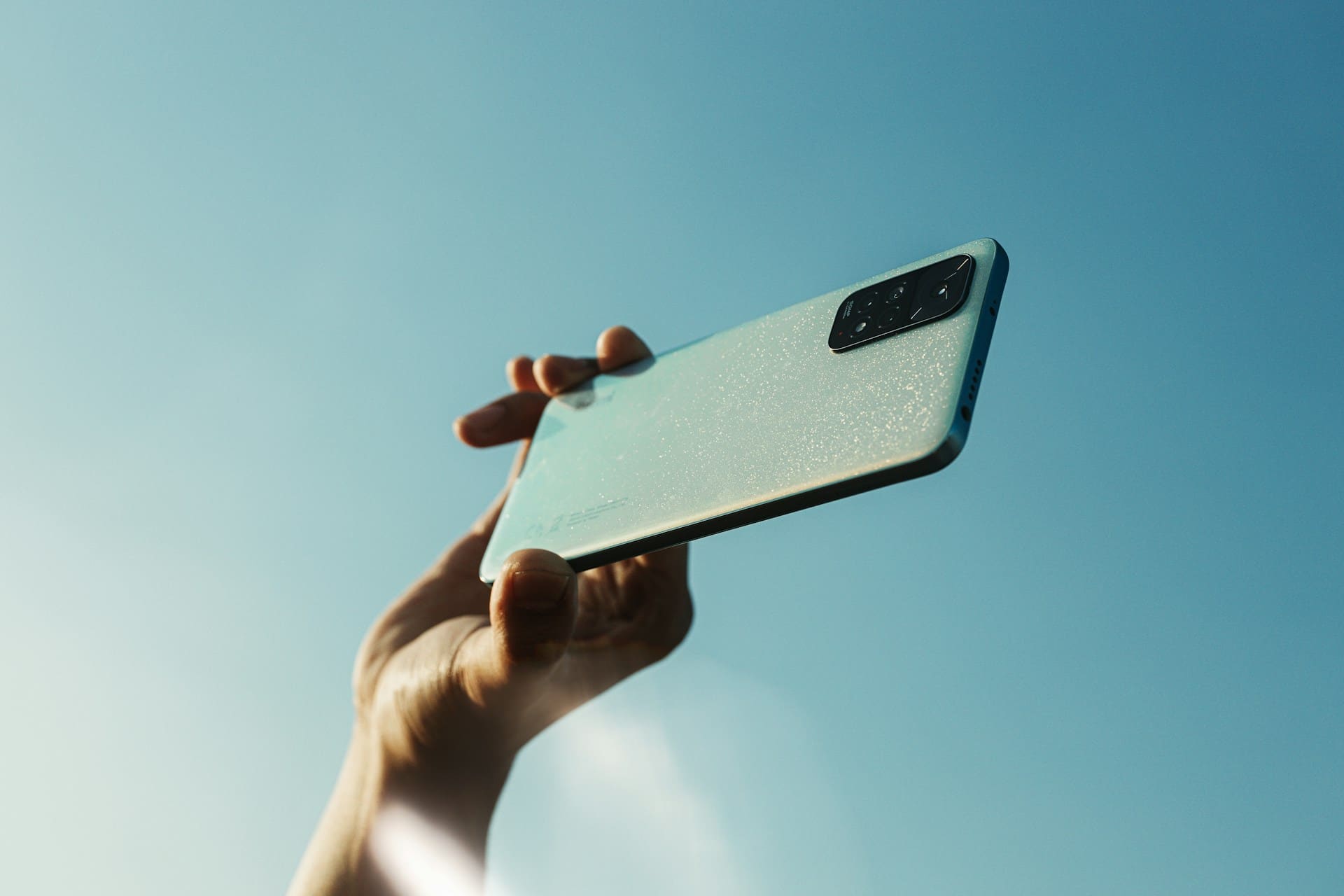
Global smartphone shipments declined by 4% year-over-year during the second quarter of 2026, according to industry analyst Omdia. Memory shortages and rising component costs have reduced market volume, but the impact has varied among manufacturers. Apple and Samsung managed to increase their sales and strengthen their positions, while much of the mid-range and entry-level segments remain under pressure.
The key points of the smartphone market in 20 seconds
- Worldwide smartphone shipments decreased by 4% in Q2 2026.
- Samsung held onto leadership with a 22% market share, while Apple reached a record 20%.
- Rising memory and other chip costs are increasing manufacturing expenses.
- Xiaomi, OPPO, and vivo maintained their third, fourth, and fifth positions, respectively.
- Omdia predicts cost pressures will persist at least through 2027.
Omdia’s report reflects a growing trend in the tech industry: while some manufacturers can absorb rising costs thanks to scale and positioning, others are forced to cut product ranges, raise prices, or accept thinner margins to stay competitive.
The primary trigger has been the so-called “memory crisis,” which has caused DRAM and NAND chip prices used in nearly all smartphones to surge. Additional tensions in semiconductor manufacturing capacity further increase production costs.
Apple and Samsung leverage their size to gain market share
Samsung finished the quarter as the world’s largest manufacturer with a 22% share. According to Omdia, the company benefited from good product availability and a delay in the launch of the Galaxy S26 family, which shifted some demand into the second quarter.
The South Korean firm also increased its presence in the budget segment. While several Chinese manufacturers reduced their model ranges and raised prices to protect margins, Samsung kept a competitive offer in that segment.
Apple was another major beneficiary. The company achieved a 20% share—its highest for a second quarter, traditionally a quieter period for iPhone sales.
According to Omdia, the iPhone 17 family experienced one of the most robust refresh cycles in recent years. Additionally, Apple maintained stable pricing while many competitors started passing increased costs onto consumers.
However, the analyst warns this situation could change if component costs continue to rise in the coming months.
Memory becomes the most expensive component
The report quantifies a problem that has affected the entire electronics industry for months.
Omdia estimates that memory costs could be four to five times higher than a year ago for certain manufacturers. In budget smartphones, memory and storage now account for over 60% of the main component costs, while in premium models, the figure exceeds 30%.
This trend aligns with memory market developments over the past year. Samsung, SK Hynix, and Micron have ramped up production of HBM memory for AI applications, a more profitable segment than conventional DRAM used in computers and mobiles.
Allocating a larger share of manufacturing capacity to advanced memories restricts supply options for other markets. The booming demand for AI infrastructure also exerts high pressure across the supply chain.
The rising cost of semiconductor fabrication adds to this. Recent reports indicate TSMC is preparing a new price hike for 2027, and other foundries are also adjusting their rates due to increased production and investment costs for advanced nodes.
Even though smartphones use more than just memory, simultaneous increases in DRAM, NAND, processors, encapsulation, and manufacturing make it increasingly difficult to keep prices of older-generation devices stable.
Manufacturers prioritize profitability over volume
The immediate result is a strategic shift.
Instead of competing solely on unit sales, many manufacturers are focusing on devices with higher profit margins. This explains why some companies are reducing model ranges and concentrating launches on mid- and high-end segments.
Xiaomi maintained its third-place global ranking with an 11% share, followed by OPPO with 10% and vivo with 8%. However, none could prevent the market slowdown.
Omdia highlights that the most significant impact is occurring in the sub-$400 segment, where margins are thinner and consumer sensitivity to price increases is higher.
The analyst suggests many buyers will delay upgrading, opt for refurbished devices, finance their purchases, or select lower-spec models.
Recovery still seems distant
Omdia does not expect a quick stabilization of memory prices. Forecasts indicate that first declines might start in the second half of 2027, but prices are unlikely to return to pre-2025 levels anytime soon.
This could mean the industry endures several quarters with high costs for essential components.
Meanwhile, major manufacturers will likely continue emphasizing premium devices, where cost increases are easier to absorb without compromising profitability.
For consumers, this could translate into fewer options in the budget segment and increasingly spaced-out phone upgrades. Concurrently, the rising demand for AI infrastructure will continue competing for manufacturing resources, sustaining pressure across the entire semiconductor supply chain.
Frequently Asked Questions
Why have global smartphone sales dropped?
Omdia attributes the decline mainly to rising memory costs and supply constraints on components, which have reduced availability and put upward pressure on prices.
Which manufacturers gained market share?
Samsung remained the leader with a 22% market share, while Apple reached a record 20% in Q2 2026.
Why is memory affecting phone prices so much?
DRAM and NAND have become more expensive due to strong demand from the AI industry and reallocations toward higher-value HBM memories.
Will smartphone prices continue to rise?
Omdia believes cost pressures will persist over the coming quarters, with no significant easing in memory markets expected before the second half of 2027.
via: omdia.tech
