
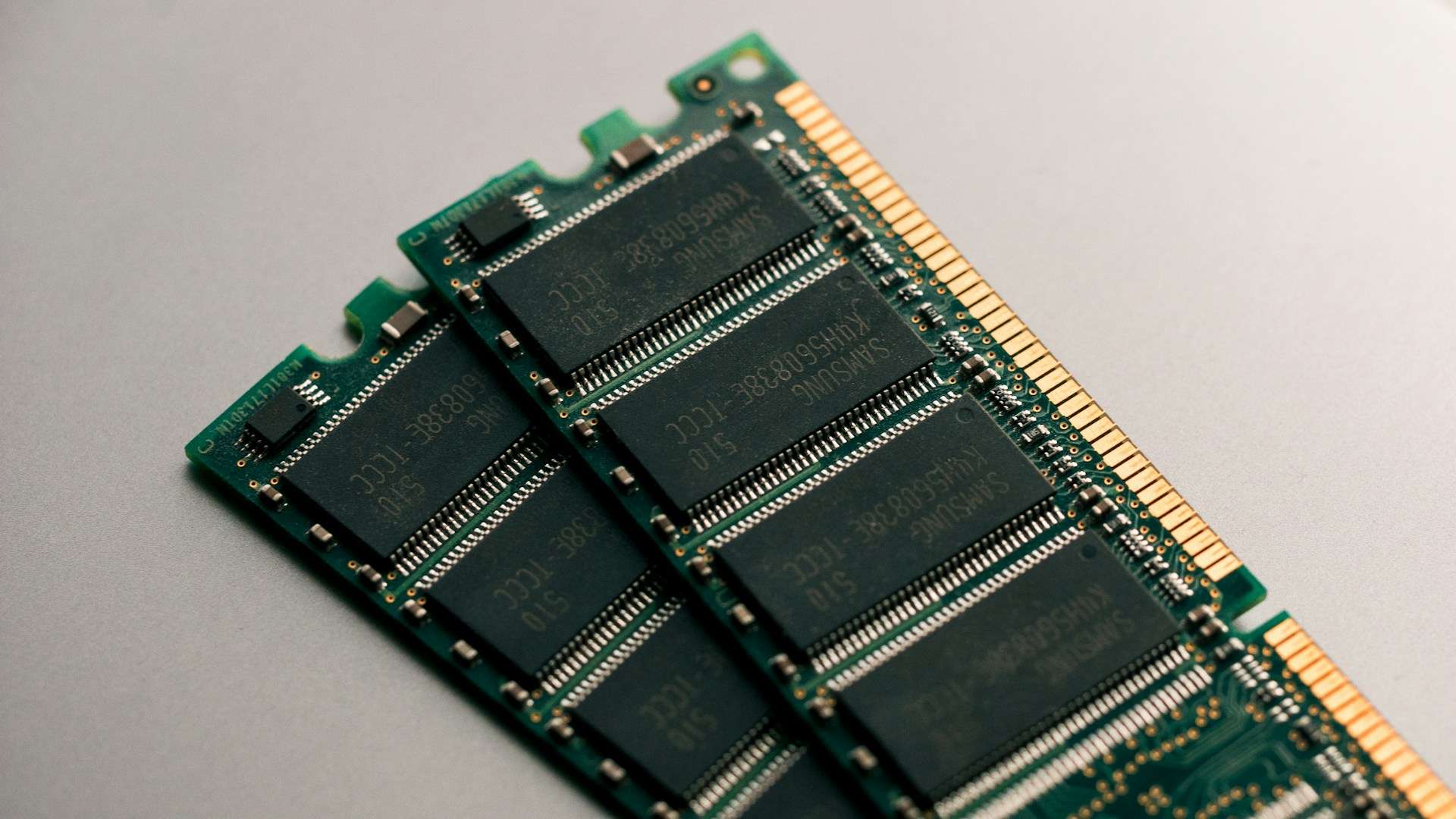
Memory shortages are no longer limited to just the latest DDR5 modules or large AI data centers. Supply chain pressures are easing across the board and have reached products many thought were phased out, such as DDR3 and DDR2. The latest TrendForce report describes a market under strain due to an uncomfortable combination: major manufacturers prioritize HBM and server DRAM for AI infrastructure, while consumer memory buyers seek older generations to secure supply.
The most striking data is in DDR2. After price increases in the first quarter of 2026, TrendForce predicts contract prices will rise by 55% to 60% in the second quarter, with an additional 35% to 40% increase in the third quarter. This isn’t about technological improvements or a nostalgic return to older platforms. It’s a sign of stress in the memory supply chain: when capacity shortages hit DDR4 and DDR5, some manufacturers cut specifications to continue production.
AI consumes capacity and leaves less room for mature memory
The explanation starts at the high end of the market. Major DRAM suppliers are allocating more capacity to advanced nodes, HBM, and server memory—segments tied to the growth of AI data centers. This focus makes economic sense: these are higher-margin products with strong demand and strategic contracts with large cloud clients.
The secondary effect appears at mature nodes. DDR4, DDR3, and DDR2 don’t compete directly with HBM for AI accelerators, but they remain prevalent in a huge base of consumer electronics, industrial devices, embedded systems, and low-cost hardware. When manufacturers reduce wafer allocations for these memories, the market discovers that “old” doesn’t mean “abundant.”
TrendForce points to a structural tightening in the supply of mature-node DRAM. Buyers needing DDR4 to maintain product lines are turning to Taiwanese suppliers like Nanya and Winbond. This increased demand enhances their bargaining power just as they are reorienting capacity toward more profitable products.
| Segment Affected | What’s happening | Impact on manufacturers |
|---|---|---|
| HBM and server DRAM | Prioritized due to AI demand | More capacity allocated and higher margins |
| DDR5 | Cost and availability pressures | Increased difficulty maintaining low prices for PCs and electronics |
| DDR4 | Less allocation at mature nodes | Some buyers turning to DDR3 as an alternative |
| DDR3 | Rising substitution demand | Limited supply becomes more strained |
| DDR2 | Resurfacing in certain redesigns | Contract prices up 55-60% in Q2 and 35-40% in Q3 2026 |
| OEM and ODM | Lowering specifications to cut costs | Preferring reduced performance over no supply |
Domino effect: from DDR4 to DDR3 and from DDR3 to DDR2
The most delicate part of the report isn’t just the price hikes. It’s the design shift. According to TrendForce, shortages of consumer DRAM components and rising contract prices are pushing some OEMs and ODMs to lower specifications. In certain cases, designs based on DDR4 are switching to DDR3 solutions, and some DDR3 products are being redesigned to use DDR2.
This trend better illustrates the depth of the problem than any chart could. A company doesn’t switch generations backward because it’s technologically desirable. They do it to control total costs or guarantee sufficient supply. In a normal market, the shift would be toward faster, more efficient memories. In a strained market, the priority shifts: manufacturing and delivery may outweigh maintaining original specifications.
This doesn’t mean high-end PCs with DDR2 will reappear. The phenomenon mainly affects products where memory performance isn’t the main selling point or where supply stability is more crucial than speed. The issue is that these products are produced in large volumes and depend on components that no longer receive the same level of investment as AI and server memories.
The situation also offers a lesson for the industry: old technologies don’t disappear overnight. They continue to support manufacturing lines, low-power devices, budget equipment, and designs that don’t require the latest generation. When production capacity shifts toward higher-margin chips, these mature layers become exposed to tensions that once seemed unlikely.
Winbond reduces DDR2 while ESMT attempts to fill the gap
DDR2 exemplifies this tension well. TrendForce identifies Winbond and ESMT as relevant suppliers of these components, but their strategies differ. Winbond is gradually reducing DDR2 production and reallocating capacity toward DDR3, DDR4, and LPDDR4—products with better margins. This gradual withdrawal could tighten DDR2 availability even further.
Meanwhile, ESMT plans to maximize DDR2 output within its current wafer allocations at PSMC. The company aims to exploit the gap left by Winbond and serve a demand that has again become profitable due to scarcity. However, the reaction scope is limited: it’s not about launching a new wave of capacity but reorganizing existing resources within an already strained supply chain.
For end users, the impact may be indirect. It won’t always manifest as “DDR2” on product specs, but could appear through higher device prices, components with reduced specs, longer refresh cycles, or manufacturers changing configurations to keep prices stable. Memory is a small part of many product costs, but a sudden price surge forces a reassessment of budgets.
It’s also important to distinguish contract prices from retail prices. TrendForce talks about contract prices—what’s negotiated between manufacturers and industrial buyers. Consumers may notice the impact later and unevenly, depending on inventories, channels, promotions, and product types. But sustained pressure over multiple quarters eventually filters through the supply chain.
The overarching message is clear: AI isn’t just driving up the costs of high-performance GPUs or servers. It’s also reshaping factory allocations, wafer supplies, and industrial priorities. Demand for HBM and server DRAM pushes manufacturers toward higher-margin opportunities, leaving less room for conventional and mature memories.
The paradox is that in 2026, one of the oldest market segments is experiencing a resurgence, not due to technical merits but because the DRAM domino effect has begun—generation after generation falling into scarcity.
Frequently Asked Questions
Why is DDR2’s price rising if it’s an old memory?
Because supply is limited and some manufacturers are redesigning products to use older memories due to shortages or rising costs of DDR4 and DDR3. Age doesn’t guarantee abundance if available production is low.
How does artificial intelligence relate to DRAM shortages?
AI is increasing demand for HBM and server DRAM. Major manufacturers prioritize these higher-margin products, reducing capacity allocated to consumer and mature nodes.
Will we see new high-end computers with DDR2?
Not in the modern PC market. The phenomenon mainly affects products where memory performance isn’t the main selling point and where supply stability is more important than cutting-edge technology.
Will this price increase be noticeable in final product prices?
It can be indirect. Contract prices first influence manufacturers and assemblers, but if pressure persists, it can lead to more expensive products, limited configurations, or specification changes.
via: trendforce
