
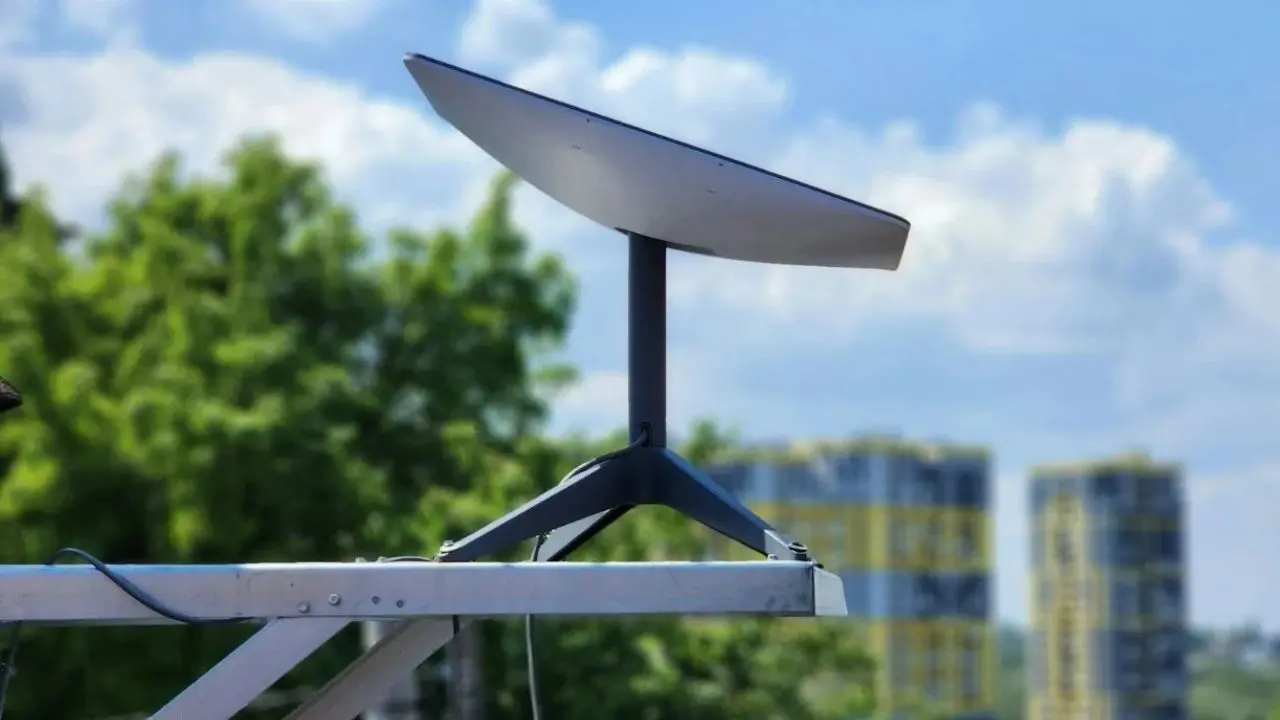
Starlink has once again increased its prices in Spain, and the change is significant for those considering the service as an alternative to fiber. SpaceX’s satellite connection now includes a new €10 monthly fee for new sign-ups, identified during the booking process as “Monthly Kit Fee.” In practice, this raises the minimum entry price to €45 per month.
The adjustment affects the rental cost of the necessary equipment to use the service, namely the antenna and the router. Until now, Starlink had positioned itself as a highly attractive option for households without fiber, thanks to an uncommon combination in rural markets: good speed, reasonable latency for a satellite, and a fee that reached as low as €29 monthly for the basic plan. With the new scheme, that era seems to be over.
The basic rate no longer falls below €45
For now, this change applies to new customers. The base prices remain visible, but the mandatory kit fee is added to the monthly rate. Thus, the Residential 100 Mbps plan increases from €35 to €45 per month. The 200 Mbps option goes from €45 to €55. And the Max plan, with 400 Mbps, rises from €65 to €75 per month.
| Starlink Residential Rate | Base Fee | Monthly Kit Charge | Final Price for New Sign-Ups |
|---|---|---|---|
| 100 Mbps | €35 | €10 | €45 |
| 200 Mbps | €45 | €10 | €55 |
| Max 400 Mbps | €65 | €10 | €75 |
The most significant impact is on the entry-level plan. The 100 Mbps rate, which a few months ago could be contracted for €29, now increases by nearly 55% if we consider the new minimum cost of €45. For many rural users, this jump might influence their decision, especially if terrestrial alternatives are available.
Starlink states that the price hikes are due to increased global operating costs and high service demand. This explanation aligns with the nature of the business: maintaining a constellation of low Earth orbit satellites requires launches, equipment upgrades, ground stations, customer service, international logistics, and sufficient network capacity to handle growth.
The technical advantage persists, but price matters more
Starlink continues to have a clear advantage in areas where fiber is unavailable and mobile coverage is weak or unstable. Compared to traditional satellite, its low Earth orbit network offers lower latency and a experience closer to a modern fixed connection. For video calls, remote work, streaming, or intensive use in isolated zones, this difference can justify the cost.
The problem is that the price is no longer as competitive. When the basic rate was below €30, Starlink competed not only on quality but also on aggressive pricing. At €45 per month, the service is more aligned with a premium solution for locations without alternatives, rather than a generalist offer for any home outside the city.
This could indirectly benefit providers offering 5G FWA, local radio links, or point-to-point wireless solutions. Although many of these technologies don’t match Starlink in coverage or stability in very remote areas, they can be sufficient for users prioritizing lower costs.
| Connectivity Options | Best fit | Main Advantage | Main Limitation |
| Starlink | Isolated homes, farms, rural businesses without fiber | Extensive coverage and decent latency for a satellite | Higher monthly cost |
| FWA 5G | Zones with good mobile coverage | Easy installation and competitive rates | Signal quality and network saturation issues |
| Local wireless link | Villages and rural areas with specialized providers | Potentially cost-effective and stable if well deployed | Limited coverage area |
| Fiber optic | Areas with fixed deployment | Better performance and stability | Not available everywhere |
| Traditional satellite | Zones with no other options | Wide coverage | High latency and poorer interactive experience |
From market conquest to coverage profitability
Starlink’s evolution in Spain reflects a shift in strategy. Initially, the service aimed to demonstrate that satellite internet could cease being slow, expensive, and a last resort. It largely achieved this. Its entry into the market pressured rural alternatives, improved the perception of satellite internet, and highlighted the limitations of some subsidized solutions.
Now, the approach seems more focused on monetizing a unique position. In many locations, Starlink doesn’t compete against fiber but against the lack of a decent connection. When the customer has no real alternatives, price sensitivity changes. This gives SpaceX room to adjust rates and extract more value per user.
The question is how far this margin can be stretched without discouraging new sign-ups. A household needing internet for remote work in an isolated residence might be willing to pay €45 or €55 monthly if the alternative is an unusable connection. Conversely, a user seeking internet for a secondary home, occasional use, or basic needs might think twice.
There’s also a psychological element. A new monthly fee for the kit is perceived differently from a direct rate increase. Users might interpret it as paying not only for the service but also for equipment that becomes a recurring expense. In a market where many providers offer routers at no extra cost or include them within the fee, this detail can be off-putting.
A warning for rural connectivity
Starlink’s price hike sends a broader message for Spain: true competition remains the best guarantee of reasonable prices. Where fiber is available, users can choose among multiple providers, convergent packages, and promotions. Where it’s not, each alternative gains negotiation power.
Low Earth orbit satellite internet has greatly improved connectivity in isolated areas, but it shouldn’t be the only solution. Fiber expansion, smart use of FWA 5G, local providers, well-sized wireless networks, and public aid remain essential to prevent certain users from being trapped between high prices and few options.
The price increase also urges a shift to more comprehensive cost assessments. It’s not enough to compare theoretical speeds; real monthly costs, equipment price, rental or purchase conditions, installation, coverage, latency, permitted use, stability, and support must all be considered. In rural zones, a 100 Mbps connection can be excellent or insufficient, depending on the home, coverage, and user count.
Starlink continues to be among the best solutions where fixed alternatives are unavailable. However, its starting price is no longer as groundbreaking. The service maintains its technological edge while competitors regain ground in the rural customer market.
Frequently Asked Questions
What is the minimum price of Starlink in Spain?
For new sign-ups, the minimum price is now €45 per month: €35 for the Residential 100 Mbps plan plus a €10 monthly kit fee.
What does the €10 new fee include?
It appears as “Monthly Kit Fee” and covers the use of the Starlink kit, which includes the satellite dish and the router required to connect to the service.
Does the price increase apply to all customers?
Initial information indicates it currently affects new contracts. There is no evidence it’s being immediately applied to existing customers.
Is Starlink still worth it?
It depends on the location. In areas without fiber or good mobile coverage, it can still be a very competitive option. Where FWA 5G, local radio links, or fiber are available, it’s advisable to compare final price, latency, and stability.
