
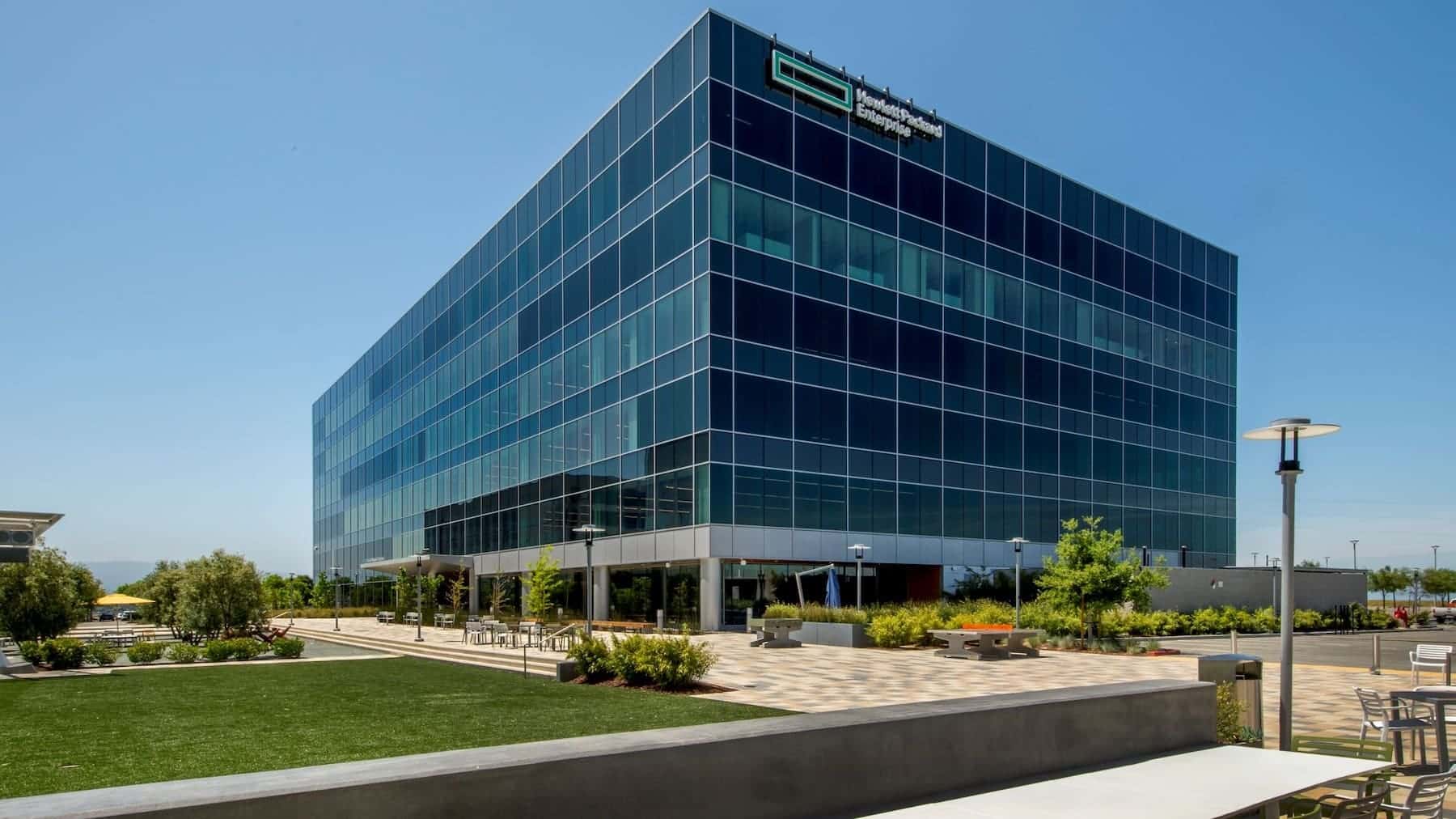
HPE has introduced new autonomous networking capabilities for HPE Mist and HPE Aruba Central with an ambitious promise: moving from networks that only detect issues to networks capable of diagnosing and autonomously executing corrective actions without human intervention. They define this as “self-driving networking,” an AIOps operational architecture with autonomous agents designed to reduce incidents, improve user experience, and offload repetitive tasks from network teams.
The concept isn’t new in industry discourse, but HPE asserts that it has now entered operational reality. The company states that its new autonomous actions enable optimization of wireless capacity, correction of VLAN errors, protection against unauthorized DHCP servers, tuning Wi-Fi channels facing issues, enhancing client roaming, and measuring latency from user connection initiation all the way to the cloud.
This announcement comes at a pivotal time for HPE Networking, following its integration with Juniper Networks and an strategic effort to unify Aruba Central with HPE Mist. The goal is to deliver a more seamless experience across wired, wireless, and enterprise campus networks, leveraging native AI, microservices, telemetry, and progressive automation.
From notifying admins to acting on their behalf
For years, network management tools have promised visibility. They detected outages, displayed metrics, generated alerts, and offered recommendations. However, in many organizations, this visibility resulted in more manual work for technical teams: more dashboards, more tickets, manual correlation, and more time spent figuring out whether the issue was Wi-Fi, VLAN, DHCP, client, authentication, or core network related.
HPE aims to go a step further. Its autonomous network proposal doesn’t just indicate what’s wrong but can execute corrective actions when the system has enough confidence. For example, if a capacity bottleneck is detected, it can adjust radio frequency parameters, band selection, channel width, or power levels. If an access layer VLAN is missing, it can fix the configuration to prevent client traffic from being stranded.
The system also introduces automatic protection against unauthorized DHCP servers—a classic issue in enterprise networks that can cause downtime, misassigned IPs, or security vulnerabilities. For Wi-Fi, it adds roaming optimization and dynamic DFS to reduce association issues in channels frequently affected. These actions target common, high-volume incidents where automation adds value with minimal risk.
This approach also signifies an evolution in the role of network administrators. Instead of reviewing low-level alerts and manually applying changes, technical staff now set policies, review actions, establish trust boundaries, and monitor automation to ensure it operates within acceptable parameters. The network isn’t replacing engineers; it’s changing their work.
The UK Ministry of Justice case
HPE highlights the UK Ministry of Justice as a real-world impact example. According to the company, they have used HPE Self-driving Network capabilities to cut service desk tickets by approximately 75%, managing about 15,000 devices internally. Nava Ramanan, the Ministry’s CTO, attributes these results to autonomous actions capable of anticipating and resolving problems before affecting users.
This is significant because many public organizations operate complex environments: multiple locations, legacy networks, diverse providers, budget constraints, strict security requirements, and high availability demands. If automation can reduce tickets in such contexts, it can add value for universities, hospitals, government agencies, banking, retail, logistics, and large corporate campuses.
However, the promise should be tempered. Reducing tickets doesn’t mean the network is foolproof or that all issues resolve themselves. Automation works best with known patterns, ample data, and reversible actions. In critical environments, human oversight remains essential—approval for certain changes, auditing, rollback capabilities, and governance. Data Center Knowledge emphasizes that enterprise adoption depends on trust, security barriers, and risk appetite.
OpenRoaming, Zero Trust, and operational simplicity
Alongside autonomous actions, HPE announced enhancements to OpenRoaming in HPE Mist and HPE Aruba Central. The goal is to facilitate simpler, more secure Wi-Fi connections across locations, reducing frequent reauthentications, and establishing identity as the foundation for access. This can be beneficial in universities, hospitals, hotels, large offices, airports, or visited-heavy environments with many devices.
The company also introduces simplified inline microsegmentation with a unified policy for wired and wireless networks—without redesigning the entire infrastructure. In Zero Trust security, this allows consistent rule enforcement based on identity, device, location, or access profile instead of relying solely on the physical network to which the user connects.
Another new feature is “dry run” within HPE Mist Access Assurance, enabling testing of NAC policies against real conditions prior to deployment. In large-scale networks, access control changes can cause outages if applied improperly. Simulation helps reduce risk and prevents misconfigured policies from disconnecting users, printers, cameras, industrial terminals, or IoT devices.
HPE also announced the general availability of their first dual-platform Wi-Fi access points, starting with the HPE Networking 723H APs. These devices can operate with HPE Mist or HPE Aruba Central, a significant choice for customers seeking to integrate both families without immediate hardware replacement.
An inevitable trend, yet with limits
The autonomous network aligns with a very real pressure: enterprise networks are more complex than ever—Wi-Fi 6E and Wi-Fi 7, hybrid work models, IoT, cameras, sensors, strong authentication, microsegmentation, SaaS apps, cloud, edge computing, distributed campuses, and user expectations for seamless connectivity. Meanwhile, many organizations have small networking teams and struggle to retain specialized talent.
Similarly, AI can help close this gap if applied responsibly. A network that learns patterns, detects anomalies, and automates repetitive problems can reduce resolution times and prevent issues before they reach users. But the word “autonomous” demands caution. An incorrect automatic action in a corporate network can cause service outages, isolate critical devices, or introduce new security vulnerabilities.
Therefore, HPE’s success will depend on the system’s trustworthiness. Customers will want transparency on what actions it can perform, under what conditions, how audits are conducted, how changes are reverted, and what controls prevent risky modifications. The Register summarized this well: network administrators can stay involved while gradually trusting AI for lower-value operational tasks.
The announcement also reinforces a market idea: agent-based AI won’t be limited to chatbots, automation scripts, or document analysis. It will permeate infrastructure—networks, security, storage, observability, and IT operations—by embedding agents that don’t just advise but act. HPE aims for the network to be among the first domains where such autonomous systems visibly make an impact.
The promise is compelling: fewer tickets, less downtime, reduced manual effort, and higher user satisfaction. But real-world deployment, in heterogeneous environments facing genuine issues, will prove its true viability. An autonomous network must be observable, governable, and cautious enough for technical teams to see it as an aid—not another risk to oversee.
Frequently Asked Questions
What has HPE announced?
HPE introduced new autonomous networking capabilities for HPE Mist and HPE Aruba Central that detect, diagnose, and fix network issues in real time using AI agents.
What problems can HPE’s autonomous network address?
Examples include Wi-Fi capacity bottlenecks, VLAN errors, unauthorized DHCP servers, DFS channel issues, roaming failures, and latency problems affecting user experience.
What results does HPE cite from real customer deployments?
They highlight the UK Ministry of Justice, which reportedly reduced service desk tickets by around 75% and managed approximately 15,000 devices internally using these capabilities.
Does this mean network administrators will no longer be needed?
No. Automation reduces repetitive tasks and accelerates issue resolution, but network teams will still define policies, oversee actions, audit changes, and manage risks.
via: hpe
