
The Internet of Things continues to expand rapidly, moving beyond the corporate sphere to play a prominent role in the education sector. According to the latest forecasts, by 2030 there will be over one billion IoT devices operating in educational institutions, while global investment in smart education maintains an annual growth rate of over 15%.
In this context, an analysis by 1NCE, a company specialized in IoT connectivity with a presence in more than 170 countries, highlights how the use of sensors, connected devices, and digital platforms is transforming both teaching models and daily management in schools and universities.
IoT in Education
Thus, applying IoT to education enables real-time data collection and analysis, fostering greater personalization of learning pathways. By analyzing interactions with digital content and tools, systems can adapt materials and learning pace to each student’s needs, with a measurable impact on outcomes, especially in scientific subjects, according to 1NCE.
Furthermore, the proliferation of connected devices allows educational institutions to significantly improve resource management. Continuous monitoring of attendance, space utilization, and equipment enables optimized planning and more informed decision-making, reducing operational inefficiencies and administrative burdens.
Energy Savings
One area where the benefits are particularly evident is energy efficiency. Thanks to sensors that automatically adjust lighting, heating, and air conditioning based on actual space usage, school buildings can reduce consumption by up to 25-30%, contributing to sustainability goals and cost control, according to 1NCE.
Smart Campuses
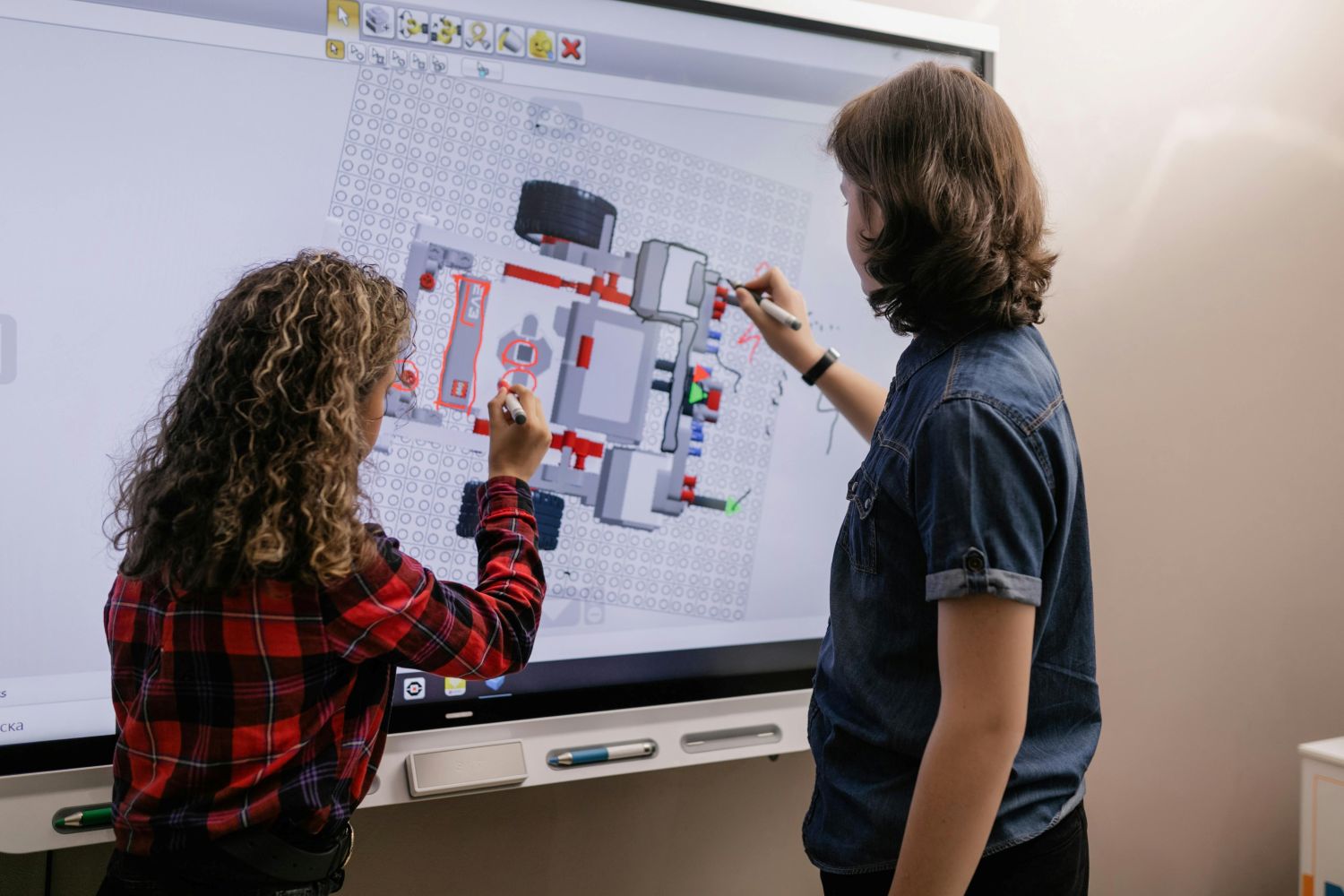
At the same time, IoT enables new methods of practical and collaborative learning. Connected laboratories, remotely monitored tools, and integrated digital environments allow for experimental activities even remotely, expanding access and enhancing safety. In universities, these solutions are part of a broader evolution toward so-called smart campuses, ecosystems where infrastructure, services, and technologies interact seamlessly.
Another development area pertains to inclusion. In increasingly diverse classrooms, language barriers continue to hinder full participation. In this context, connected translation devices can provide tangible support: for example, Pocketalk, which uses 1NCE’s IoT connectivity to enable real-time translation during lessons, facilitating understanding and interaction for non-native speakers.
Structural Transformation
“The Internet of Things in education creates value when devices, software, and connectivity operate as a seamlessly integrated and almost imperceptible system,” emphasize 1NCE. “It’s not just about introducing new technologies but supporting a structural transformation of learning environments, making them more efficient, accessible, and data-driven,” they conclude.
In light of these advances, IoT is reaffirmed as one of the key factors for future educational institutions, capable of combining technological innovation, sustainability, and inclusion within a single connected ecosystem.
