
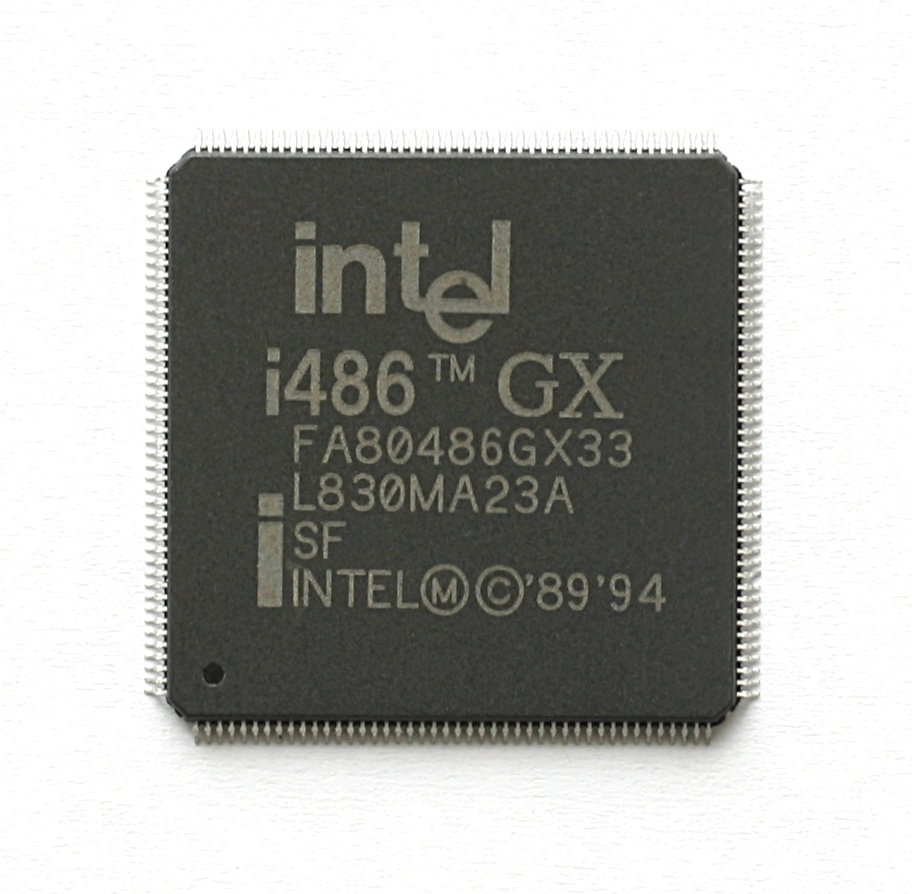
The Linux kernel has begun to shift, this time visibly, one of those components that seemed untouchable purely due to historical inertia: support for Intel 486 and its closest derivatives. The signal is no longer just in debates but also in code. In the tip/master branch, the M486SX, M486, and MELAN options have been removed from the x86 Kconfig, along with related references in the build configuration. This makes the retirement more than just an idea floated in discussion.
This doesn’t mean support for the 486 has disappeared entirely overnight from the stable branch, but the process has truly begun. Most importantly, it confirms that Linux is once again doing something that doesn’t happen every year: leaving behind a historic family of x86 CPUs. The most significant previous step in this regard was the removal of support for the 386, which was dropped from the main Linux kernel in version 3.8, released on February 18, 2013.
Less nostalgia, more maintenance
The reason is not sentimental but purely practical. In April 2025, Ingo Molnar published an RFC to retire support for older x86 CPUs without TSC and CX8, citing a very direct quote from Linus Torvalds: “There’s zero real reason” to continue investing development effort in that compatibility. In that same RFC, Molnar explained that the x86-32 architecture still carried complex emulation and compatibility mechanisms for “ancient” processors that almost no one uses with modern kernels, potentially saving about 14,683 lines of code.

This context helps explain why the 486 has resurfaced in discussions in 2026. The 2025 RFC wasn’t limited to the i486: it also proposed tightening the kernel’s minimum requirements in x86 to mandate TSC and the CX8 instruction, affecting earlier i586 models and other historical remnants of the x86 tree. But an RFC is one thing, and a phased-out support is another. In the reviewed sources, the only fully consolidated x86 removal in recent years has been the 386; support for the 486 has already moved into active development branches, while broader cleanup of older i586 hardware remains a proposal rather than a finalized, merged change.
Table of retired or in-progress x86 support in Linux
The table below is intentionally brief. Not because there’s a lack of old hardware in the kernel tree, but because when speaking strictly about older x86 CPUs, well-documented retirements are few: one already completed, another underway, and a third still in proposal stage.
| CPU support | Actual status | Key date | Kernel version | Next steps | Source |
|---|---|---|---|---|---|
| Intel 80386 / 386-class | Retired | December 11, 2012: pull request to “nuke 386”; Linux 3.8 released on February 18, 2013 | Linux 3.8 | No documented plans for reinstatement in reviewed sources | |
Intel i486 / 486SX-DX and AMD Elan (M486SX, M486, MELAN) | In retirement process | As of April 6, 2026, options and build flags have been removed in tip/master | Targeting Linux 7.1 | Phoronix notes that if support is dropped in 7.1, subsequent series can shed remaining i486-specific code | |
| Early i586 without TSC/CX8 and old derivatives | Proposed only | To be determined | No final version assigned | The RFC aimed to enforce TSC and CX8 as minimum requirements; sources still list it as RFC, not merged |
The practical takeaway for someone holding onto a 486 machine is quite clear. In the short term, the best option remains using existing kernels, especially older LTS branches, because newer kernels are beginning to close that door. Phoronix also highlights that there are no known current distributions still shipping modern kernels with support for the i486, reinforcing the idea that maintaining that compatibility was largely symbolic rather than a real ecosystem necessity.
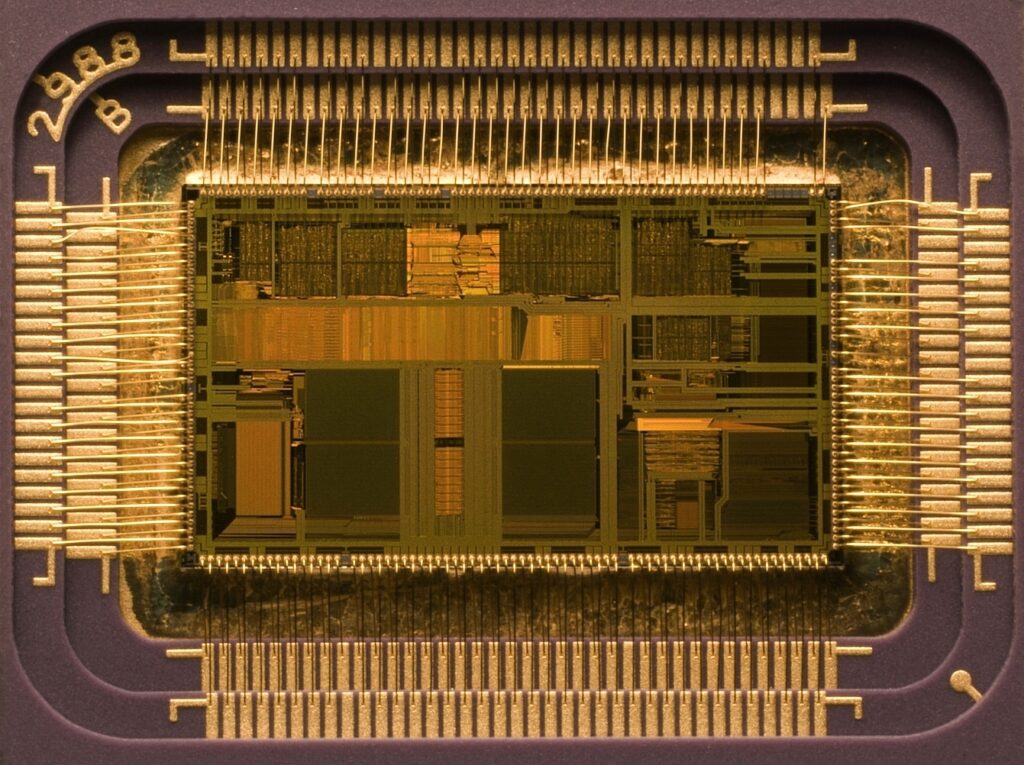
It’s also important to interpret this news appropriately. For typical users, current workstations, or modern servers, this change doesn’t impact anything. It’s not a shift in Linux’s overall direction but a surgical cleanup in a very specific area of x86 legacy. Still, for the kernel’s history, it’s significant: it demonstrates that even a project as conservative as Linux when it comes to compatibility ultimately draws the line when maintaining old hardware clearly outweighs its practical utility.
Furthermore, an important nuance remains: according to the reviewed sources, as of today, no approved plan exists to remove other classic x86 supports beyond this i486 process and the RFC affecting certain early i586 models without TSC/CX8. In other words, yes, discussions are ongoing about further simplifying x86-32; no, there’s still no confirmed official cascade of retirements beyond what’s already described. That’s why the table avoids inflating with uncertain support names or unapproved cuts that are still in discussion phase.
