
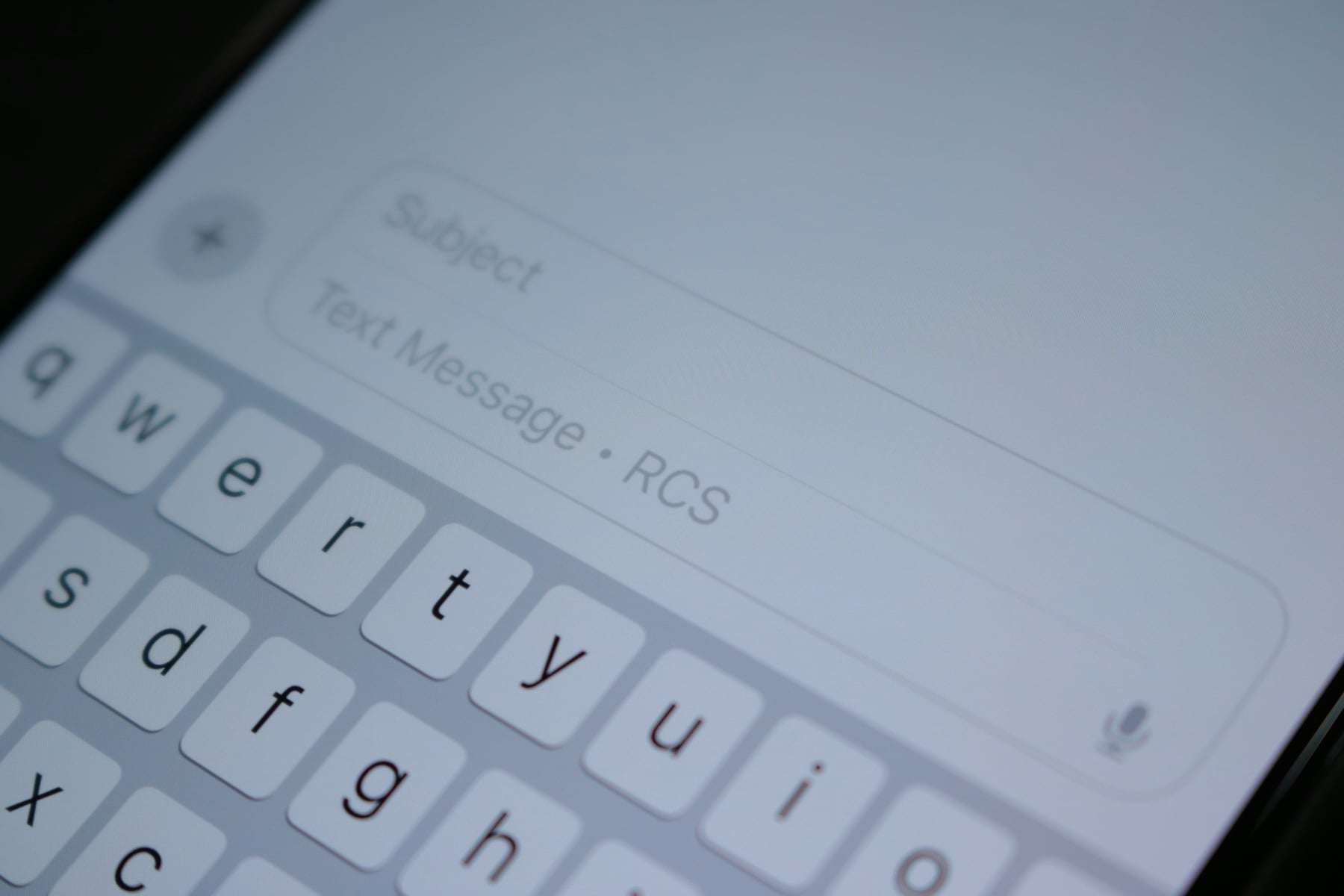
GSMA has already completed RCS Universal Profile 4.0, the most ambitious update to date of the standard aimed at modernizing native mobile messaging. The new version introduces video calls initiated directly from the chat, rich text with formats like bold or italics, improvements for sending audio, video, and higher-quality images, and new features for business messaging, such as streaming video within Rich Cards.
To understand the significance of this development, it’s important to look at the context. RCS was created to replace SMS and MMS with a richer experience more similar to apps like WhatsApp, but for years it progressed slowly. In 2025 and 2026, the landscape has changed: GSMA had already strengthened the universal profile with improvements in interoperability and encryption in 3.0 and 3.1 versions, and now 4.0 takes a further step by bringing RCS closer to functions that were mostly exclusive to OTT platforms.
The flagship feature of RCS 4.0 is Messaging-Initiated Video Calls (MIVC). On paper, it will allow an individual or group RCS conversation to be turned into a video call without leaving the messaging app. GSMA also explains that group members can join the call later and that the call history can be reflected in the chat timeline. This opens the door to a much more integrated experience between text and video, especially now that RCS is available on Android and Apple has begun supporting the standard on iPhone.
However, it’s important to distinguish between specification and actual rollout. The fact that GSMA has finalized Universal Profile 4.0 doesn’t mean that all Android and iPhone devices will immediately support interoperable RCS video calls. Implementation will depend on Google, Apple, manufacturers, carriers, and messaging service providers. In fact, international technical coverage emphasizes that neither Apple nor Google have yet detailed a public deployment timeline for these new features.
Comparison Table: SMS vs Classic RCS vs RCS 3.1 vs RCS 4.0 vs WhatsApp
| Function or feature | SMS | Initial / Classic RCS | RCS Universal Profile 3.1 | RCS Universal Profile 4.0 | |
|---|---|---|---|---|---|
| Basic text | Yes | Yes | Yes | Yes | Yes |
| Read/write receipts | No | Yes | Yes | Yes | Yes |
| Sending images and videos | Very limited / MMS separately | Yes | Yes | Yes, with negotiated quality improvement | Yes |
| Media quality | Low | Better than SMS/MMS | Improved | Higher, with format compatibility options | High, with HD options in many cases |
| Rich text (bold, italics, strikethrough) | No | No | No | Yes | Yes |
| Advanced group chats | Very limited | Yes | Yes | Yes | Yes |
| Native video calls from chat | No | No | Not a core feature of the profile | Yes, via MIVC | Yes | End-to-end encryption | No | No, not universal | Yes, reinforced in modern RCS ecosystem | Yes, also for RCS video chat per recent specs | Yes, by default |
| Use within native mobile app | Yes | Yes | Yes | Yes | No, requires its own app |
| Advanced enterprise focus | Very limited | Yes | Yes | Yes, with more powerful Rich Cards and streaming video | Yes, via WhatsApp Business |
This table summarizes a key point: RCS 4.0 is the first profile really attempting to compete head-to-head with WhatsApp in features visible to the average user, especially in transitioning from chat to video calls and in text expressiveness. SMS is now well behind, and earlier versions of RCS improved the experience significantly, but hadn’t yet made such a clear leap in integrated audiovisual communication.
What previous RCS versions contributed
Earlier versions laid the groundwork. GSMA highlighted in Universal Profile 3.1 improvements in connectivity, media quality, service flexibility, and ecosystem continuity. Additionally, recent end-to-end encryption specifications within RCS have extended protection to more scenarios, including RCS video chat. In other words, 4.0 is not built from scratch: it leverages prior work aimed at transforming RCS from mere “enhanced SMS” into a truly modern messaging platform.
It’s also important to remember that the GSMA Universal Profile exists precisely to address one of RCS’s historic problems: fragmentation. Its goal is to establish a common base of functions and behaviors so that the experience is consistent regardless of operator, device manufacturer, or ecosystem. That’s why every version update is so significant: it’s not just about adding new functions but pushing the entire industry toward a shared foundation.
Where does WhatsApp stand in this comparison?
Despite the leap with RCS 4.0, WhatsApp still maintains an edge in several areas. Meta’s platform has offered for years end-to-end encrypted messaging and calls, along with sending photos and videos, groups, voice calls, and video calls, plus a massive installed base and a highly consistent experience across platforms. WhatsApp’s official documentation confirms that its personal messages and calls are protected with default end-to-end encryption.
The difference is that WhatsApp relies on a closed app, whereas RCS strives to be a standard and native layer within the mobile ecosystem. If RCS 4.0 achieves widespread adoption, its main advantage will be precisely that: enabling a rich messaging and video experience without both users needing to install the same third-party app. In other words, WhatsApp remains the functional benchmark today, but RCS 4.0 is perhaps the most serious attempt yet to bridge that gap through native messaging.
What the industry should focus on
From a tech news perspective, the conclusion is quite clear. RCS Universal Profile 4.0 doesn’t instantly turn RCS into a “new WhatsApp,” but it paves the clearest path the standard has taken in years. The introduction of native video, rich text, and multimedia enhancements brings it much closer to current user expectations. And if Android and iPhone eventually support these functions interoperably, the mobile messaging market could genuinely begin to change.
Frequently Asked Questions
What is RCS Universal Profile 4.0?
It’s the new version of the RCS messaging standard defined by GSMA to unify advanced functions across carriers, device manufacturers, and platforms.
What’s the most important novelty in RCS 4.0?
The addition of video calls initiated from chat via Messaging-Initiated Video Calls (MIVC).
Is RCS 4.0 already available on all phones?
No. The specification is finalized, but its real rollout depends on implementation by Google, Apple, device makers, and carriers.
Does RCS 4.0 replace WhatsApp?
Not yet. WhatsApp still has advantages in deployment, consistency, and maturity, but RCS 4.0 narrows the gap in key functions.
Source: RCS 4.0
