
Nebius, a European cloud infrastructure provider specializing in artificial intelligence workloads, is preparing to develop a new data center complex in Birmingham, Alabama. The project, known as BHM01, appears — based on available files and local reports — to be a large-scale venture: around 80 acres (approximately 32.4 hectares) in the Oxmoor area, with objectives targeting up to 300 MW of capacity.
This operation fits into a trend that is reshaping the digital geography of the United States: the increasing demand for AI computing power is driving new campuses, expansions, and “mega-projects” that are energy-intensive—just as many cities are beginning to question whether the benefits outweigh the environmental costs, water usage, strain on the power grid, and real impact on local employment.
A large-scale campus in Oxmoor, on land already “marked” by industry
According to reports, Nebius has managed the operation through a subsidiary (Alabama ADC Holdings LLC) and acquired three properties in the Lakeshore Parkway area, including parcels on Milan Parkway and Venice Road. The transaction was reported at $90 million for nearly 80 acres. Part of the purchase includes an existing building—an old Regions Bank operations/data center—that could be demolished to make way for a new facility, though final design details are not fully public yet.
The key data point that contextualizes BHM01’s ambition is its power capacity. Talking about 300 MW isn’t just about an “additional data center”: it’s the typical size of a campus or phased development, in the range of projects aimed at large-scale AI and cloud computing. In other words, this wouldn’t be a server room serving a handful of regional companies, but infrastructure designed for the evolving landscape of computing.
The uncomfortable truth: Birmingham considers slowing down new data centers
While Nebius explores Birmingham, the city has introduced a significant move: a temporary moratorium on data center development. The City Council scheduled a public hearing to consider a pause to “take a breath” and evaluate implications: environmental impact, energy and water usage, economic effects, and zoning issues. In statements reported by local media, there’s a contemporary question voiced: when projects of this size land in a neighborhood, what does the community truly gain, and what risks are it taking?
This kind of reaction is no longer exceptional. Across various U.S. cities, the narrative around data centers has shifted from “investment and modernization” to a more complex discussion: critical infrastructure yes, but at what cost and under what conditions? And, with the explosion of AI, the rate of announcements is accelerating faster than regulatory and social capacity to absorb them.
Why Nebius is in expansion mode
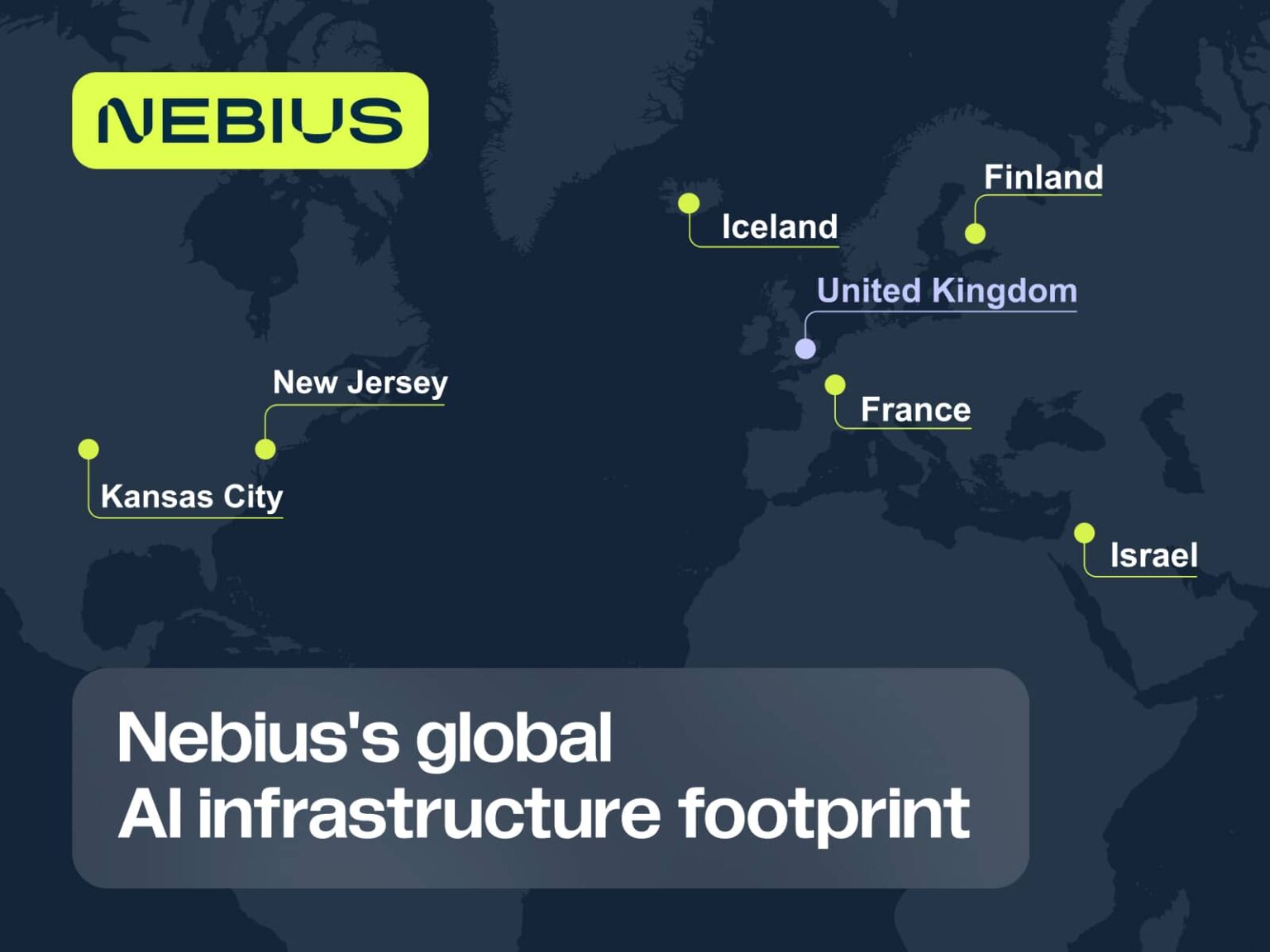
Nebius isn’t just looking for any building with good connectivity. The company aims to position itself as an AI infrastructure provider, with a roadmap — based on previous statements in specialized press — targeting ambitious goals: reaching 2.5 GW of contracted capacity by the end of 2026, with an existing capacity between 800 MW and 1 GW already “live” (operational) within that timeframe.
This scale explains why their location map is rapidly expanding: when business revolves around GPUs, high-capacity networks, and stable power supply, real estate and energy plans become strategic rather than operational details. In that race, Birmingham emerges as a potential site due to land availability, access, and the logic of building big where it’s still possible.
The paradox of the AI era: land and electricity matter more than software
For years, the tech debate centered on chips, architectures, and algorithms. With generative AI, bottlenecks have also shifted into the physical realm: energy, cooling, grid connection timelines, permits, and supply chains. That’s why data centers have become political actors, not just technical ones.
Birmingham’s situation exemplifies this tension. A city may want to attract investment and activity, but also fears that the outcome will be resource-intensive consumption with limited returns if direct employment isn’t as high as promised or if it strains public infrastructure requiring additional investment.
In this context, the moratorium signals: it’s not necessarily a “no,” but rather a “not at this pace and without clear answers yet”.
What could happen next
For Nebius, the likely scenario splits into two paths:
- Adjustment to the new municipal reality: increased transparency, negotiation, and commitments (e.g., regarding water, energy, environmental mitigation, or contributions to local infrastructure).
- Geographical flexibility: when a company seeks gigawatts of capacity, it can re-balance investments across states and municipalities if permits become difficult or timelines extend.
And for Birmingham, the dilemma is clear: slowing down allows for better planning and setting conditions, but it could also shift investment to jurisdictions with fewer delays. In 2026, megawatts move as quickly as product cycles—impatience in capacity expansion persists.
Frequently Asked Questions
What does it mean for a data center to aim for 300 MW of capacity?
It’s not a small installation: this level is typically associated with phased campuses for cloud and AI, with a significant impact on electrical connections, cooling, and urban planning.
Why are some cities imposing moratoriums on new data centers?
Because they want to assess impacts on the electrical grid, water resources, environment, and zoning, and define conditions before approving such projects.
What does a city gain when hosting a large AI data center?
Typically, investment, indirect activity (construction, maintenance, services), and sometimes infrastructure improvements. The discussion often centers on balancing these benefits with resource consumption and local impact.
Why are companies like Nebius expanding capacity so quickly?
The demand for AI infrastructure is growing and requires large-scale computing power and deployments. Securing land, energy, and permits has become as strategic as the technology itself.
via: datacenterdynamics
