
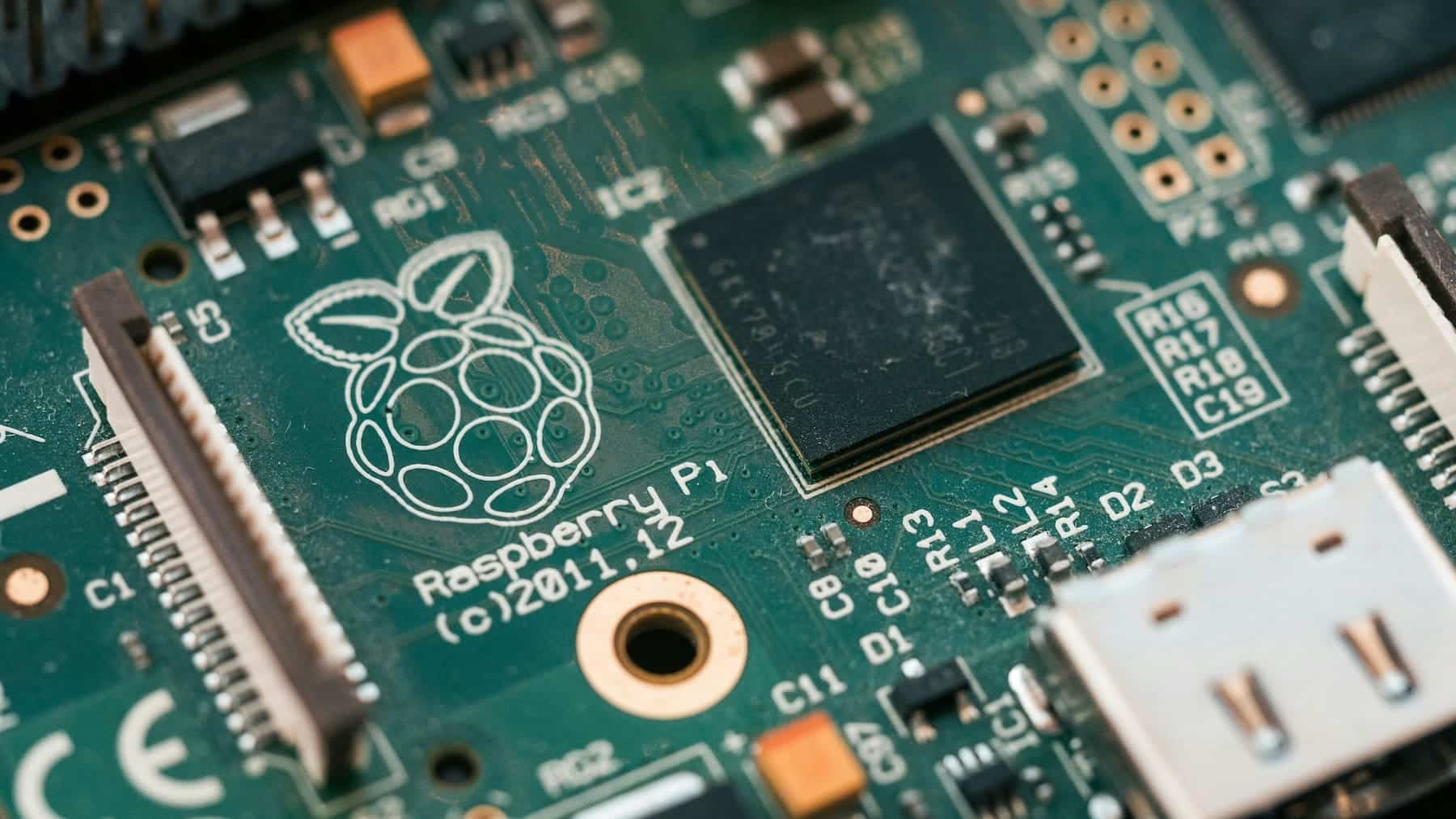
The era in which a Raspberry Pi was synonymous with “cheap computer for learning, tinkering, and building projects” is becoming more complicated. By early 2026, the company has confirmed another price increase affecting much of its recent lineup, especially models with 2 GB or more of RAM, due to the rapidly rising cost of LPDDR4 memory.
The reason is significant: AI infrastructure demands are straining memory manufacturing capacity and pushing the industry toward more profitable products like HBM (High Bandwidth Memory), which is crucial in AI servers. In this context, the “traditional” memory used in boards like Raspberry Pi has seen a sharp price hike. As explained by CEO Eben Upton, some components have doubled in cost in the last quarter, forcing a pass-through of part of this impact to end prices.
A second blow in three months: price hikes due to “memory density”
The price update is phased: the more RAM, the higher the increase. The company details a table of increases based on capacity:
| Memory (RAM) | Price increase |
|---|---|
| 1 GB | $0 |
| 2 GB | +$10 |
| 4 GB | +$15 |
| 8 GB | +$30 |
| 16 GB | +$60 |
This pattern affects Raspberry Pi 4, Raspberry Pi 5, and also Compute Module variants, as long as they have 2 GB or more.
The most striking case: Raspberry Pi 5 with 16 GB, jumping from $120 to $205
The example that best illustrates the market shift is the Raspberry Pi 5 with 16 GB of RAM: now costing $205, up from the original price of $120.
- Absolute increase: +$85
- Relative increase: +70.8%
In other words: the “top” model is approaching price ranges where it directly competes with x86 mini PCs, which offer more raw power and a wider variety of operating systems, albeit usually with worse energy efficiency.
Price comparison: before and after
Below is a summary of the mentioned prices (original, December 2025, and February 2026) for several popular references:
| Model | February 2026 Price | December 2025 Price | Original Price |
|---|---|---|---|
| Raspberry Pi 5 1 GB | No change | No change | $45 |
| Raspberry Pi 5 2 GB | $65 | $55 | $50 |
| Raspberry Pi 5 4 GB | $85 | $70 | $60 |
| Raspberry Pi 5 8 GB | $125 | $95 | $80 |
| Raspberry Pi 5 16 GB | $205 | $145 | $120 |
| Raspberry Pi 4 4 GB | $75 | $60 | $55 |
| Raspberry Pi 4 8 GB | $115 | $85 | $75 |
| Raspberry Pi 500 (8 GB) | $119 | $99 | $90 |
| Raspberry Pi 500+ (16 GB) | $259 | $180 | $180 |
| Raspberry Pi 400 | No change | No change | $59 |
Note: some prices depend on the retail channel (for example, prices from Adafruit and Micro Center cited in media outlets like Tom’s Hardware).
“Saved” models: 1 GB and earlier generations
Not everything is increasing. The company states that it will keep prices steady for:
- 1 GB models (including a Raspberry Pi 5 1 GB launched to maintain an affordable entry point).
- Families like Raspberry Pi Zero, Raspberry Pi 3, and other legacy items with different memories (LPDDR2), which they say have inventory for years.
- Raspberry Pi 400, remaining their “all-in-one” budget PC.
Collateral effect: educational and maker projects with less margin
The increase hits directly at the profiles that have sustained the Raspberry Pi ecosystem for years: education, home robotics, home automation, DIY labs, and small industrial deployments. In many of these scenarios, the appeal was not just size or low power, but the “sufficient price” to buy multiple units, experiment, and learn without fear.
With boards costing over $100–$200, the calculation changes: planning increases, fewer units are bought, and there’s greater temptation to switch to alternatives (mini PCs, rival SBCs, or even reused hardware), though they don’t always fit as well in terms of power consumption, community, or accessories.
“Temporary,” but with 2026 as a challenging year
The company insists that this is a temporary issue and expects to reverse price hikes when the memory market relaxes. But it also admits that 2026 looks set to remain a tough year for pricing, with AI competing for manufacturing capacity and pushing supply chains toward higher-margin products.
Frequently Asked Questions
Why is the Raspberry Pi price increasing so much in 2026?
Mainly due to the rising cost of LPDDR4 memory, driven by strong demand from AI infrastructure and reallocation of capacity toward more profitable memory types like HBM.
Which Raspberry Pi models are most affected by the price hike?
Those with 2 GB or more of RAM: Raspberry Pi 4, Raspberry Pi 5, Raspberry Pi 500/500+, and the Compute Module families with these configurations.
Does a “cheap” Raspberry Pi still exist for beginners?
Yes. The company maintains 1 GB models without price increases, and states that lines like Raspberry Pi Zero or Raspberry Pi 3 should see stable prices in the near term.
Is it worth paying over $200 for a Raspberry Pi 5 with 16 GB?
It depends on the use case. For projects involving community, accessories, GPIO, and energy efficiency, it may make sense. For “PC-like” use, such a price often puts it in competition with x86 mini PCs that offer more overall performance for the same money, though with higher power consumption.
via: raspberrypi
