Germany has “seen the wolf’s ears” with part of its traditional industry—especially automotive—and doesn’t want to repeat the same script with the next major technological wave: advanced robotics. This time, the diagnosis isn’t based solely on wages, exports, or economic cycles. It depends on whether the country can transform its engineering muscle into products that are manufactured, installed, and maintained in its plants… before others do.
That’s why, at the start of 2026, a once-futuristic idea is gaining strength: humanoids working in European factories. Not as viral videos, but as teams with an industrial roadmap, pilots with real clients, and a technological chain that already includes simulation, “physical AI,” and edge computing capable of running complex models near the robot.
In this context, the launch of Agile ONE, the humanoid from Agile Robots SE, fits perfectly. Also, the growth of NEURA Robotics and a fact that’s gone somewhat unnoticed outside the industry: Siemens is already testing humanoid robots in industrial environments.
From “fairground robot” to factory robot
For years, humanoid robotics floated between two extremes: spectacular prototypes with little practical use, and industrial arms that are highly effective but limited to very specific tasks. What’s changing in 2026 is the combination of three factors:
- More computing power at the edge, capable of processing sensors and executing sophisticated models with low latency.
- Simulation as a starting point, to train movement and manipulation policies without wasting months on trial and error in the physical world.
- More mature robotics models and software, with tools that accelerate development cycles and reduce risks.
The result is an industry beginning to talk about timelines, deployments, and return on investment. And in Germany, that usually signals serious commitment.
Agile ONE: “sensitive” hands for real tasks
The Agile ONE humanoid is designed as a factory robot—not just a demo. One core idea is that its hands resemble human hands more, with sensors to improve grip and precision when manipulating tools or delicate parts.
According to company information, Agile ONE aims at a hybrid work profile: from fine assembly operations to tasks requiring strength and repetition. Its specifications outline the kind of “digital worker” the sector has been pursuing for years:
- Payload capacity: 20 kg
- Height and weight: 1.74 m and 69 kg
- Autonomy: 8 hours
- Walking speed: 2.0 m/s
- Degrees of freedom: 71
Beyond the technical specs, the industrial signal comes through planning and positioning. Agile Robots—born as a spin-off from DLR with a strong track record in industrial robotics—is trying to position Germany within the global conversation about “practical” humanoids—those measured by shifts and KPIs, not applause.
NEURA Robotics and the push to scale
In parallel, NEURA Robotics has become another frequently mentioned name in cognitive and humanoid robotics across Europe. Their narrative is aligned: robots designed to coexist with people and operate safely in real environments, with advanced perception.
The market’s interest in these robots stems from the tasks they address: internal logistics, object manipulation, line feeding, visual inspection, or repetitive jobs where hiring and retention are challenging today. In this scenario, the key challenge isn’t “can the robot walk,” but rather can it:
- Learn quickly,
- Fail safely,
- Be scalable—profitable at a large scale,
- Integrate into existing industrial processes.
This is where industrial clients and partners come into play. The fact that established automation and component providers (like Schaeffler) are interested in large deployments signals that, for Germany, humanoid robotics might evolve into an industrial sector—not just R&D.
Siemens tests humanoids: when pilots matter more than headlines
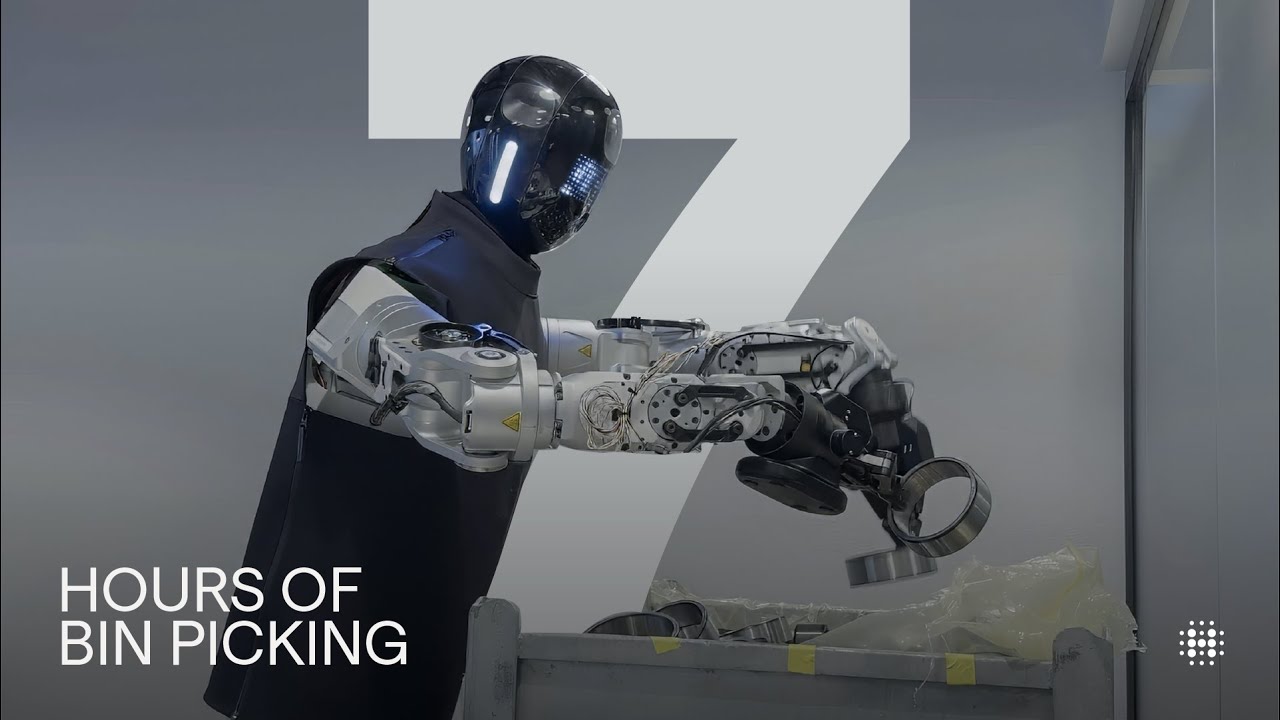
A key indicator of this evolving phase is Siemens’ pilot with Humanoid, a UK company specializing in humanoid robots for industrial settings. The tests focused on manipulation and internal logistics tasks within a real operating environment.
In a market flooded with promises, an industrial pilot has special significance: it involves process integration, safety, repeatability, and operational acceptance. It’s not the same to see a robot perform a demo in a lab than to verify its fit within plant operations, shifts, incidents, and productivity metrics.
In short: when a player like Siemens tests something, it’s evaluating its potential as part of an industrial system—not just as a technological curiosity.
NVIDIA, simulation, and “physical AI”: the layer driving everything
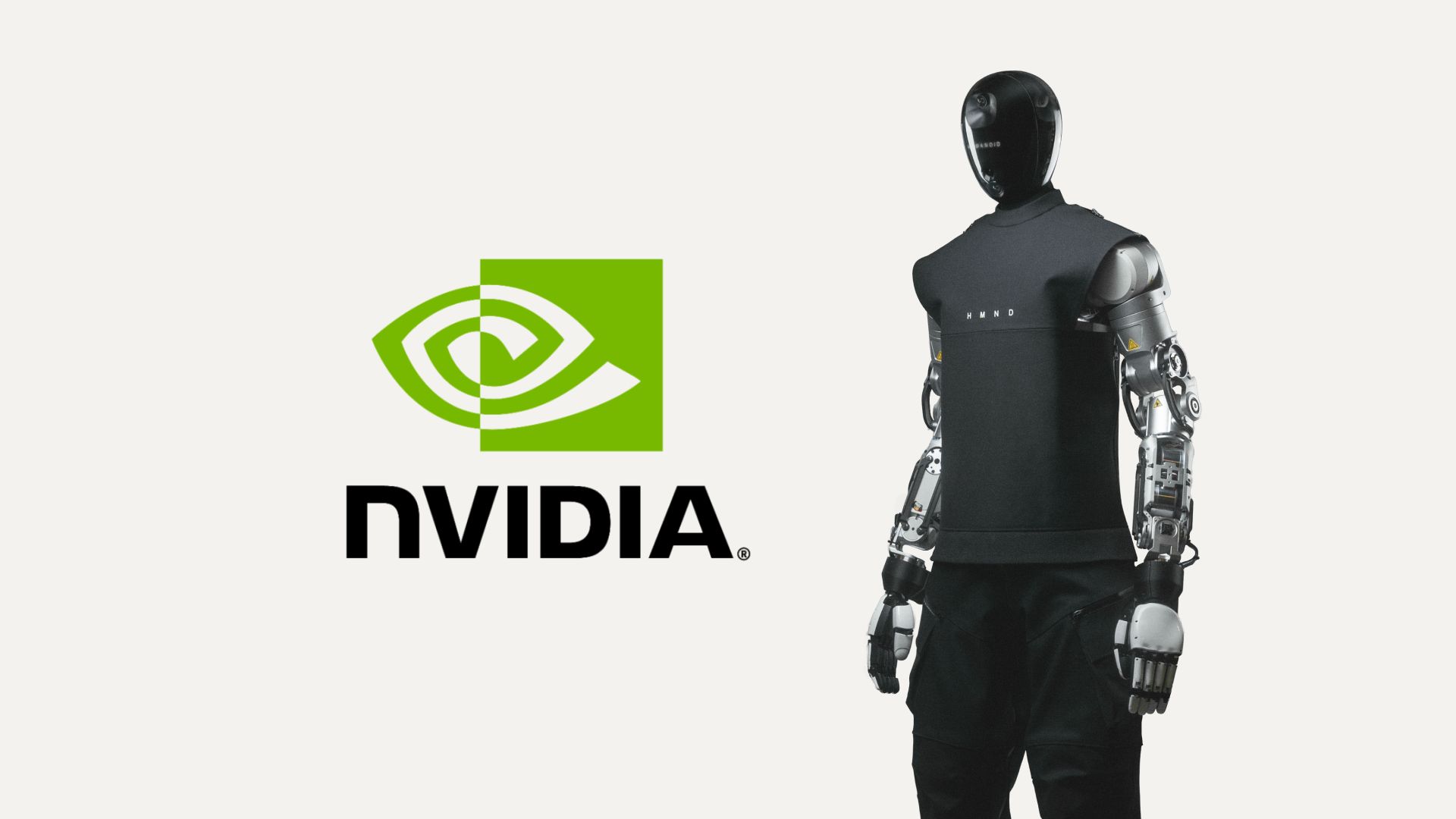
The leap in these projects is clearer when examining the technology stack. Humanoid has explained that it integrates NVIDIA technologies oriented toward robotics: edge computing with Jetson Thor, simulation with Isaac Sim and Isaac Lab, and a “simulation-first” approach to speed up training and validation of navigation and manipulation policies.
This is critical: modern robotics no longer develops solely by “wiring and testing.” Instead, it’s built as software, with iterative loops backed by simulation, reinforcement learning, hardware-in-the-loop testing, and systematic validation before scaling.
Humanoid also reports that this approach shortened their first alpha prototype development cycle to just seven months. They are working with NVIDIA and partners on networking systems based on Jetson Thor and Holoscan Sensor Bridge. For Germany, this concretely means: the time from idea to pilot shortens, which fundamentally shifts the competitive landscape.
What comes next?
If Germany maintains its pace, it could develop a competitive edge in advanced industrial robotics based on three core strengths: engineering, a robust industrial supply chain, and manufacturing culture. But success isn’t guaranteed. Humanoids face practical barriers such as:
- Safety and certification in environments where humans and machines coexist.
- Maintenance and reliability: robots must withstand real-world conditions, not just demos.
- Cost-effectiveness: total costs (hardware, software, operation) need to compete with alternatives.
- Cultural adoption: operators and middle management must trust the system.
Still, this movement is promising for the European ecosystem: robotics is shifting from a “future topic” to a strategic industrial and competitiveness issue. And by 2026, that difference matters.
Frequently Asked Questions
What is “physical AI” and why is it so frequently mentioned in humanoid robotics?
It involves using models and AI systems to act in the real world (perception, planning, control, manipulation), combining sensors, simulation, and learning to perform physical tasks safely.
What tasks can a humanoid robot add value to in a factory today?
Primarily in internal logistics, object handling, line feeding, inspection, and repetitive tasks where skilled profiles are scarce or high turnover exists.
Why is simulation (Isaac Sim/Lab) so relevant for industrial robots?
Because it enables rapid training and validation, reduces risks, and cuts months of iteration before deployment in the plant.
What should companies evaluate before buying or piloting an industrial humanoid?
Process integration, safety, support, maintenance, reliability per shift, total cost of ownership, and clear productivity and quality metrics.