
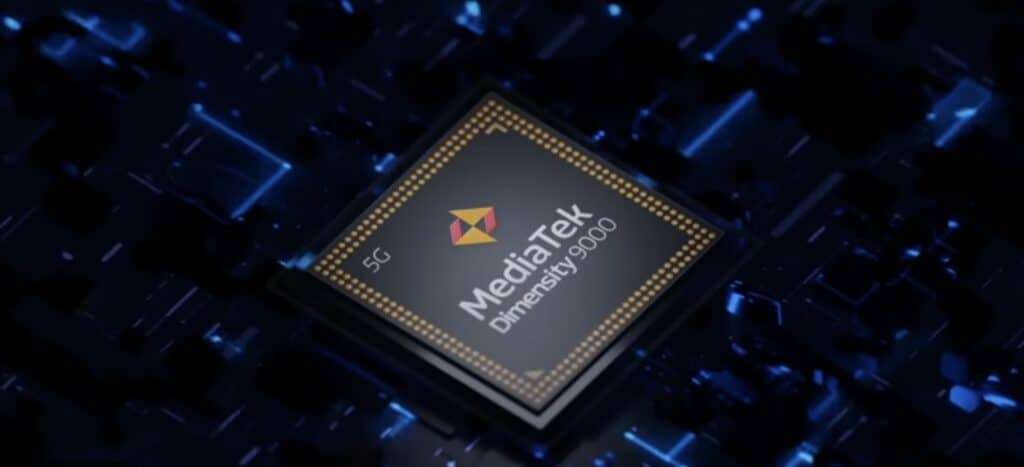
The next big mobile bill may not come from the processor but from memory. In recent weeks, supply chain alerts have intensified: DRAM and NAND—essential components for any smartphone, PC, or gaming console—are entering a cycle of price increases that threaten to transfer to the final device prices and, indirectly, to chip orders.
In this picture, MediaTek appears as one of the most exposed manufacturers. The reason is simple: its business still largely depends on volume-based smartphone SoCs. In fact, various analyses estimate that phone chipsets account for around half of its quarterly revenue, with estimates of 53% in the third quarter of 2025.
When memory becomes more expensive, the market slows down (and not just because of price)
To understand the risk, it’s helpful to go back to basics. DRAM is the “fast memory” used by the system to run apps and processes; NAND is storage for photos, videos, the system itself, and applications. If either of these rises sharply in cost, manufacturing a device’s expenses skyrocket.
And that is precisely what TrendForce projects for early 2026: a very aggressive increase in contractual prices, with DRAM rising 55–60% quarter-over-quarter and NAND 33–38% (both estimates for the first quarter).
Adding to this scenario is Reuters’ diagnosis of a strained market caused by previous production cuts and increased demand from servers and AI workloads—cocktails pushing memory prices higher across several segments.
The domino effect is well known in the industry: when BOM (bill of materials) costs go up, mobile manufacturers typically respond with measures such as raising prices, squeezing margins, adjusting configurations (less memory/storage), or delaying product updates. Any of these decisions tend to slow overall sales volume.
MediaTek: volume leader, more vulnerable during downturns
MediaTek has built its position precisely in the area where a slowdown hits hardest: high-volume shipments. In global unit counts, the Taiwanese manufacturer has competed head-to-head (and often surpassing) Qualcomm thanks to a broad catalog strategy and aggressive pricing—very attractive for brands looking to scale volume.
The problem is that a cycle of expensive memory can particularly penalize this model. If major clients—especially those selling heavily in price-sensitive markets—adjust forecasts, the impact is quickly reflected in the SoC provider’s financial results. Recent chatter points to this concern, emphasizing that MediaTek derives a very high portion of its revenue from mobile chipsets.
Another factor to consider is that the race for increasingly advanced nodes isn’t cheap. In the “premium” segment, wafer and packaging costs are rising, and if memory costs increase the overall device, profit margins decrease. In this context, some industry reports already suggest that MediaTek is preparing to move to 2nm designs, though timelines tend to shift and should be viewed as projections subject to change.
The solution: diversification… and data centers as a “second engine”
If smartphones become unpredictable, diversification is the key. And MediaTek has been making moves in this direction for some time: strengthening its presence in connectivity, edge computing, and other segments, as well as attempting to gain traction in data center environments.
In this vein, Reuters reported MediaTek’s collaboration with NVIDIA to develop a PC chip with AI capabilities, along with the company’s own expectations regarding revenue from AI ASICs for data centers, which could scale up starting in 2026.
The message is clear: if the mobile market hits a slowdown due to price and demand issues, having a second growth engine can mitigate volatility.
However, data centers face their own tensions: purchase cycles differ, clients demand support and ecosystems, and competition occurs in performance, interconnection, software, and strategic agreements. It’s not an easy “Plan B,” but it’s a consistent direction aligned with market trends.
What to watch in the coming months
- How DRAM and NAND prices materialize: if the projected increases solidify, their effect on device costs will be hard to conceal.
- Reactions from mobile manufacturers: forecast cuts, configuration changes, or retail price hikes often precede adjustments in SoC orders.
- MediaTek’s ability to accelerate new business areas: especially data centers and AI solutions, where individual deals can offset some volume loss in mobile.
In summary, MediaTek isn’t “in trouble” due to a lack of technology but because of exposure: when the market tightens, companies dependent on volume feel the slowdown sooner. And if 2026 starts with expensive memory, the blow may come precisely from where the company has been strongest.
Frequently Asked Questions
Why does the rise in DRAM and NAND affect mobile prices?
Because they are two of the most costly and common components in any device. If their prices go up, the total cost per unit increases, forcing manufacturers to absorb or pass on the cost.
What’s AI got to do with memory price hikes?
AI servers and data centers consume enormous amounts of memory, straining supply. This pressure can ripple into higher prices in other segments as well.
Does MediaTek rely too much on smartphones?
Its mobile business remains a central part of its revenue, with various analyses placing smartphone chipsets as the largest revenue block, around half in some quarters.
Can MediaTek offset this with data centers or AI ASICs?
That’s one of its strategies to reduce dependency on mobile. Expectations of growth in this area exist starting in 2026, but competing in data centers requires time, ecosystem development, and strategic agreements.
via: biz.chosun
