
An apparent oversight in internal listings associated with the Lenovo ecosystem has rekindled a rumor that the industry has been waiting months to hear: Windows 11 laptops on ARM with NVIDIA silicon. And not in a “ultralight for office” format, but with a possible variant clearly aimed at performance: a Lenovo Legion 7 identified as “15N1X11”, which could become one of the first true “gaming” devices with Windows on ARM if the GPU upgrade widely expected in this platform is confirmed.
The information, treated by various media outlets as a leak stemming from premature product listings, points to two families: N1 and N1X. It suggests that Lenovo would distribute these across several ranges (IdeaPad, Yoga, and Legion). Meanwhile, the market interprets this move as a sign that Windows on ARM aims to stop being synonymous with efficiency without graphics power, entering territory traditionally dominated by x86 and dedicated GPUs.
The models that have fueled the rumor
The leak attributed to Lenovo’s “product coding” lists several devices with unusual suffixes, associated in these reports with NVIDIA N1 / N1X:
- IdeaPad Slim 5 14N1V11 (N1)
- IdeaPad Slim 5 16N1V11 (N1)
- Yoga Pro 7 15N1V11 (N1)
- Yoga 7 15N1X11 (N1X)
- Yoga 9 2-in-1 16N1X11 (N1X)
- Legion 7 15N1X11 (N1X)
Beyond the list, the strategic aspect is key: Lenovo is reserving N1X for “premium/performance” positionings (Yoga 9 and especially Legion), which aligns with the thesis that NVIDIA wouldn’t enter the PC space just to compete in battery life, but rather to boost graphics performance and accelerate AI workloads.
Why does this matter: Windows on ARM needs a “breakthrough” in GPU
Qualcomm has pushed Windows on ARM with a solid proposition focusing on efficiency and CPU performance in thin laptops, but “gaming” and certain creative workflows remain heavily conditioned by compatibility, drivers, and sustained graphics power. The idea of a Legion with N1X is, therefore, the real headline: it wouldn’t be an ARM “that also plays,” but a laptop designed for gaming with a Windows/ARM stack that, until now, lacked a prominent showcase.
The risk, of course, is that we’re dealing with preliminary naming or plans that could change. But the fact that the list mentions several families and multiple product lines suggests Lenovo — and its partners — are preparing a broader rollout beyond a simple experiment.
What’s known (and what’s not) about NVIDIA N1 and N1X
As of today, the key point is to distinguish facts from conjectures:
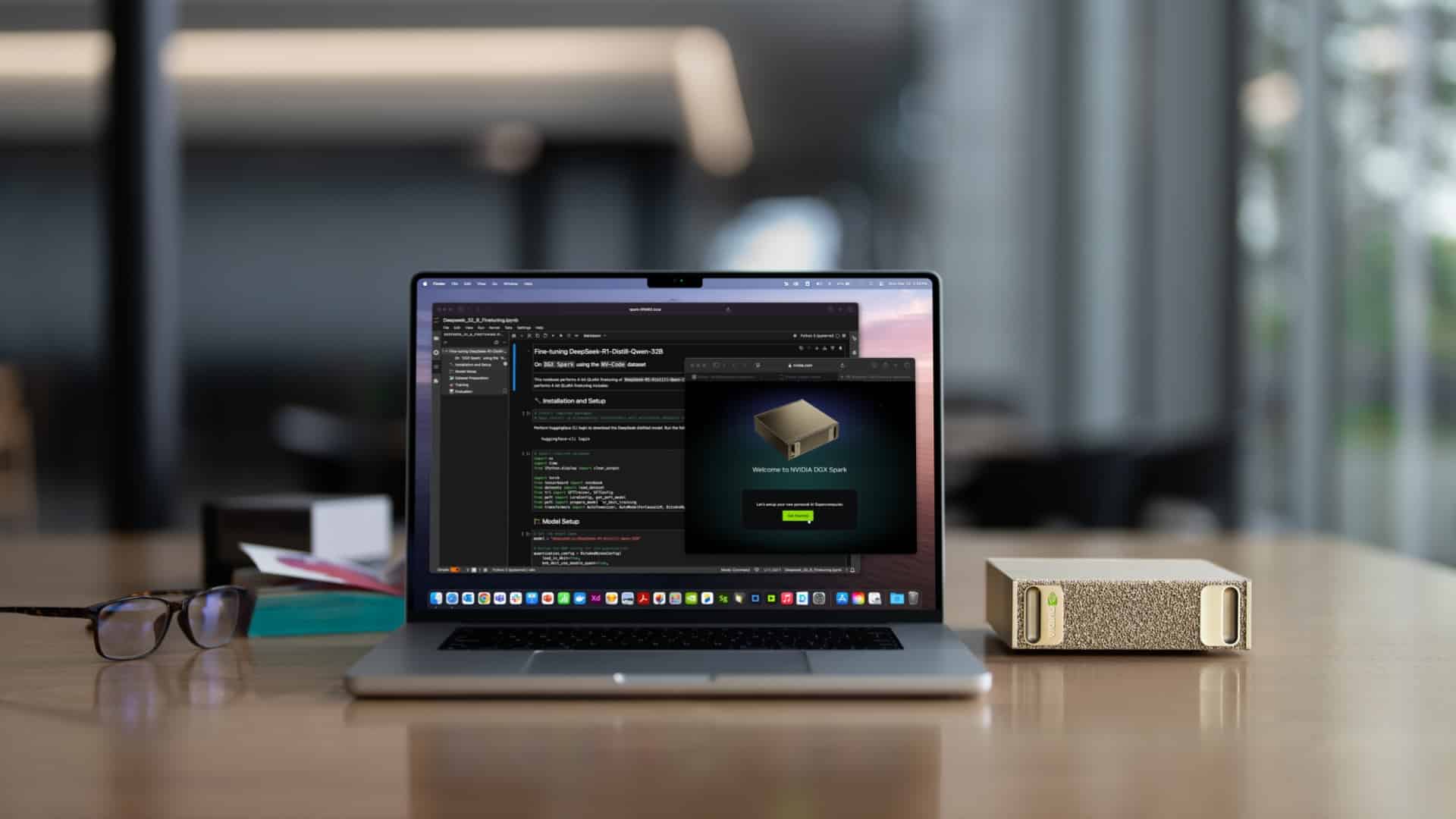
- Verifiable fact: NVIDIA markets DGX Spark, a compact AI-focused system based on the superchip GB10 (Grace Blackwell). Its public specs mention up to 1 petaflop of FP4 performance, 1,000 TOPS for AI, up to 128 GB of unified memory, and a configuration with up to 4 TB of storage. It also lists a reference power supply of 170 W.
- Widely cited rumor in tech media: N1X (and/or N1) shares DNA with this platform, packing a 20-core ARM CPU and a Blackwell GPU with leaked CUDA core counts (not official specs). At this stage, prudence is advised: the “DGX Spark = N1X” equivalence has not been publicly confirmed.
In other words: there’s a solid basis (GB10/DGX Spark) to believe NVIDIA has a very serious CPU+GPU block on ARM; what’s missing is confirmation that this block will make its way into consumer laptops and, importantly, under what thermal and power limits.
The big challenge: sustained performance, drivers, and real user experience
If the N1X hypothesis materializes into a Legion-like laptop, the goal won’t be “just” gaming performance, but achieving it through:
- Sustained performance: in a laptop, the ceiling isn’t peak performance, but the ability to maintain it without thermal throttling or power exhaustion.
- Drivers and compatibility: NVIDIA dominates the Windows graphics ecosystem, but on ARM, the challenge is integrating a mature ecosystem of drivers, optimizations, and tools.
- System economy: success depends on price, battery life, and overall proposition. An “ARM gaming” device that performs but sacrifices too much autonomy or is too costly might remain a niche.
Supporting this thesis is the incentive: as the PC market moves toward “AI PCs” and hybrid workloads (creation + local inference), a platform with powerful GPU + AI acceleration could be more compelling than one focusing solely on efficiency.
What to watch for now
If this leak is just a “prelude,” the upcoming milestones are clear:
- Official confirmation from Lenovo/NVIDIA (final specs included).
- Market positioning: whether N1 is “mainstream” and N1X “performance,” or if the segmentation is more complex.
- Software ecosystem: coordinated announcements on support, compatibility, and performance tools.
Until then, it’s responsible to treat this as what it is: a strong signal, but still not a technical specification.
Frequently Asked Questions
What does “15N1X11” mean in a Lenovo laptop name?
In these leaks, the prefix typically indicates screen size (e.g., 15″), and the central block identifies the platform. In this case, “N1/N1X” is interpreted as a reference to an NVIDIA SoC not yet announced in laptops, but the exact reading may vary by region and internal documentation.
Why would a Lenovo Legion with Windows 11 on ARM be significant?
Because Legion is a brand associated with performance and gaming. If an ARM-based Legion launches successfully with good support, it could be a turning point for Windows on ARM, moving it beyond a primarily “thin & light” perception.
What’s the connection to DGX Spark?
DGX Spark exists and uses the GB10 (Grace Blackwell); it is marketed with up to 128 GB of unified memory and AI metrics like 1,000 TOPS. The link between this silicon and a hypothetical portable N1X is considered a rumor in tech media, not an official confirmation.
Should companies consider ARM for work laptops if NVIDIA enters?
It will depend on corporate software compatibility, peripherals/security, and whether the platform offers real advantages (autonomy, cost, AI/creation performance). An actor like NVIDIA could accelerate adoption, but decisions will be case-by-case.
via: videocardz
