
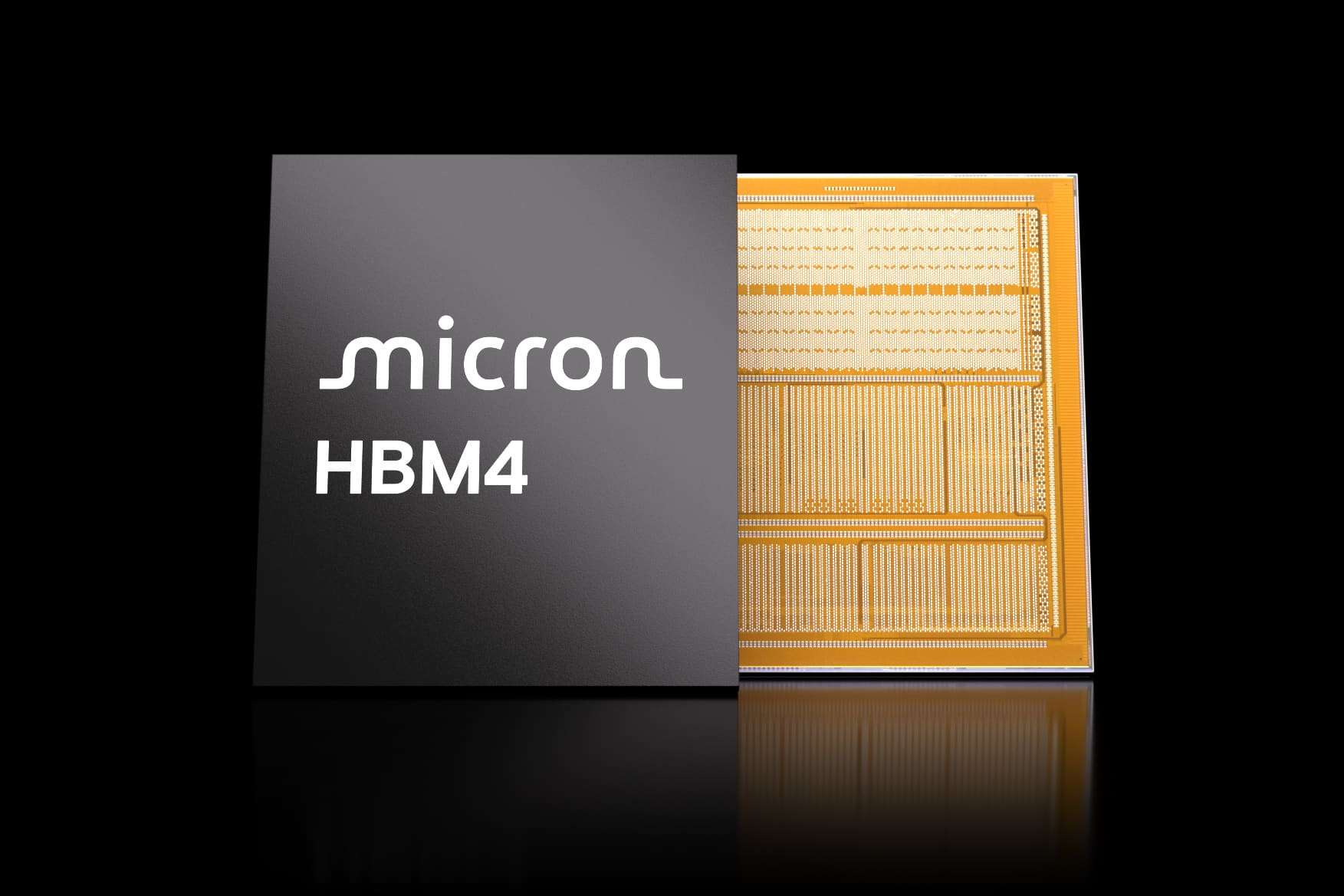
Micron Technology has signed a to acquire Powerchip Semiconductor Manufacturing Corporation (PSMC) and its P5 manufacturing complex located in Tongluo (Miaoli County, Taiwan) for $1.8 billion in cash. The transaction, still subject to definitive agreements and regulatory approvals, marks a significant move at a time when the memory industry is refocusing on a word that had been causing concern for years: capacity.
The message is clear: with memory demand driven by data centers and AI, Micron aims to gain direct control over a critical industrial asset — land, facilities, and cleanroom space — to scale production with less reliance on third parties and with planning more aligned to its technological roadmap.
What exactly is Micron buying (and what is not)
Unlike full corporate acquisitions, the deal focuses on the “fab site”: Micron would acquire the land, the facilities, and a 300mm manufacturing cleanroom, while PSMC would retain ownership of the assets and manufacturing equipment currently located there. In other words, Micron is purchasing the industrial “container” and its associated infrastructure, not the installed toolset.
This distinction is important for two reasons:
- Reduces friction: avoids some of the complexity involved in integrating heterogeneous equipment or equipment conditioned by prior setups.
- Aligns the asset with process strategy: allows Micron to deploy its own production and qualification plans in phases.
At the same time, Micron and PSMC have also announced their intention to establish a long-term strategic alliance related to DRAM manufacturing in Taiwan, with a particularly practical component: post-wafer services (processing after wafer production) for Micron.
Timeline: closing in H2 2026 and significant production in 2027
Based on publicly available information, the timeline involves three milestones:
- Expected closing in the second half of 2026 (pending conditions and approvals).
- Gradual relocation of PSMC operations after transaction completion.
- Start of “significant DRAM wafer production” in the second half of 2027.
Operationally, the asset includes a 300,000-square-foot (approximately 27,871 m²) cleanroom for 300mm wafers, a standard size in advanced semiconductor manufacturing.
Why now: demand “outstripping supply” and synergies in Taiwan
Micron frames the move within a pattern known to the industry since 2024–2025: demand pressure, especially from data centers, which cannot be addressed solely through inventory optimization or line reallocation. In this context, the company emphasizes that the proximity between Tongluo and its Taichung facility would facilitate operational synergies within Taiwan.
This kind of messaging is often more than rhetorical. In semiconductor manufacturing, “synergies” typically refer to personnel capacity, supplier ecosystems, logistics, process engineering, support, and operational resilience. In other words: the decision is not solely financial; it is also industrial.
Potential impact on the DRAM market
Industry estimates tend to be cautious in the short term because a cleanroom doesn’t become productive wafer capacity overnight: facilities must be adapted, tools installed (if needed), processes qualified, materials homologated, ramp-up processes managed, yield controlled, and production stabilized.
Nevertheless, market analyses suggest that Micron intends to increase DRAM production in phases and that the initial stage could account for more than 10% of global DRAM capacity (measured against late 2026 capacity), with much of the effect expected to materialize in 2027.
Simultaneously, the competitive landscape is a factor. Micron has maintained a prominent position in DRAM (TrendForce reports about 25.7% revenue share in DRAM for Q3 2025), and building its own capacity is a way to protect margins and ensure supply during demand cycles.
The practical end of “technology-for-capacity”: less dependence, more ownership
For years, part of the Asian memory market operated around models where access to technology, licenses, or “know-how” was intertwined with available fab capacity. Moving forward, Micron’s approach is understood as a step towards a model in which large manufacturers seek ownership and direct control of key assets, rather than relying on agreements that could become less predictable as cycles, capital, or geopolitical factors shift.
In this case, PSMC remains independent as a company, but the critical asset — the plant — changes hands. This is a subtle yet structural difference: it separates the business and its future from the “physical location” where manufacturing occurs.
Frequently Asked Questions
What does it mean that Micron is buying the “fab site” but not the machinery?
This means Micron will acquire land, buildings, and cleanroom space, but not the manufacturing equipment that PSMC has installed. This allows Micron to adapt the plant to its own production and technology strategy while PSMC retains its equipment and operational assets.
When is Tongluo expected to start producing DRAM for Micron?
The communicated goal is to achieve a significant DRAM wafer output in the second half of 2027, after a scheduled closure in 2026 and a phased transition and ramp-up process.
Why is this operation relevant to the global memory market?
Because it adds an industrial capacity lever at a time when demand — especially from data centers — is putting pressure on supply. Additionally, the asset includes a substantial 300mm cleanroom.
Could this influence DRAM prices or availability in 2026–2027?
The direct impact is usually felt once production reaches a stable phase. Given the timeline, the most noticeable effect is expected from 2027, when the new capacity is “significant” and integrated into the supply chain.
