
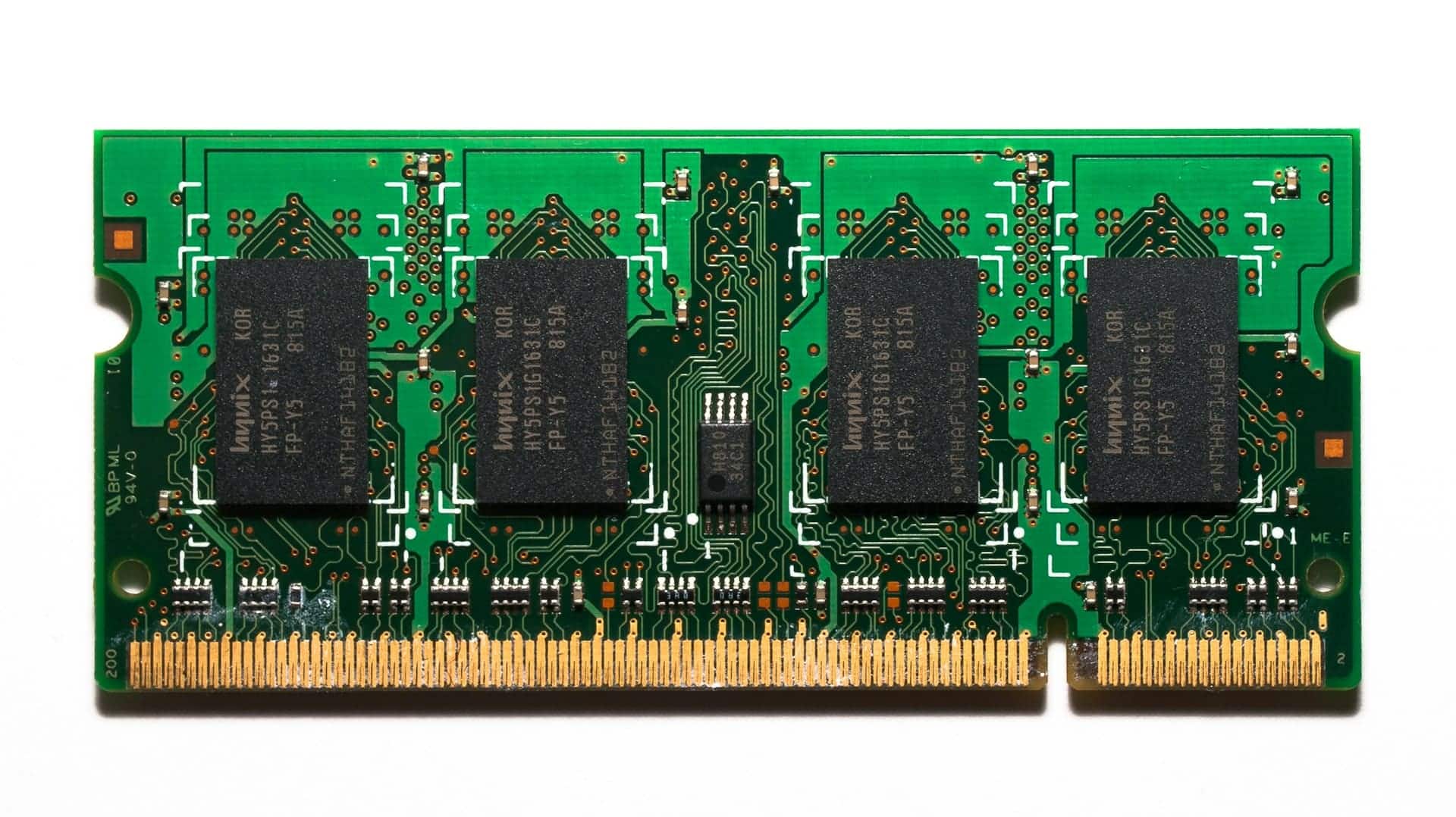
The PC market has been sending strange signals for months: when the “new” generation becomes too expensive, users don’t always resign themselves to paying… sometimes they simply step back. And that is precisely what is beginning to show in China: the rising cost of DDR4 and DDR5 memory is reviving demand for DDR3 motherboards, a “trip back” to the first half of the 2010s that seemed unthinkable during the AI boom.
According to specialized press reports, in the Chinese DIY (do-it-yourself) ecosystem, sales of DDR3 boards have reportedly increased between two and three times, driven by tight budgets and the general increase in key component prices. The phenomenon isn’t happening alone: there is also strong movement with bundles of motherboard + Intel CPUs from 6th to 9th generation, a combination aiming to extend the hardware’s lifespan and avoid current prices of modern “mainstream” setups.
A Price Hike That Is Changing Buying Decisions
The trigger is clear: memory has become a price bottleneck. PC Gamer cites a figure explaining why consumers are getting creative: the average “spot” price of mainstream DDR4 chips reportedly increased by 9.64% in just one week, rising from US$ 25.407 to US$ 27.857 (from January 7 to January 14, 2026). In such a fundamental component, a jump like this has a domino effect on the entire PC budget.
Under this pressure, the market is experiencing something akin to a collective “plan B”: sticking with what they have, buying second-hand, or directly returning to older platforms where stock, recycled parts, and cheap combinations are still available.
DDR3: It’s Not “Better,” It’s “More Accessible”
This return does not imply that DDR3 is performance-competitive against DDR5. The proper reading is another: DDR3 is the emergency exit when the price ladder breaks. For many everyday uses — office work, light gaming, eSports with low settings, children’s computers, study PCs — an older platform can still do the job, even with obvious limitations.
Quick (Indicative) Comparison Between RAM Generations
| Generation | Typical Era | Main Advantage Today | Main Disadvantage Today |
|---|---|---|---|
| DDR3 | 2010–2015 | Low cost in second-hand and DIY markets | Performance/efficiency far behind; old platform |
| DDR4 | 2014–2024 | Good balance if prices cooperate | If prices rise, loses its “value for money” appeal |
| DDR5 | 2020– | Higher bandwidth and future margins | High price and more expensive overall builds |
Manufacturers Are Also Looking Backward
What’s interesting is that not only DIY enthusiasts are improvising: some brands are reactivating or expanding offerings around older platforms to meet the demand for affordable builds. Tom’s Hardware has pointed out movements in this direction with new DDR4 motherboards and a renewed interest in “last-gen” alternatives as a way to contain total PC costs when memory prices tighten.
In other words: when the “cheap” component stops being so, the market doesn’t always shift upward (DDR5), sometimes it shifts backward (DDR4 and even DDR3).
The Other Side: Risks, Limits, and the “Hidden Cost”
This kind of trend has fine print:
- Discontinued CPUs and platforms: support, BIOS, and actual availability depend heavily on the seller and the second-hand market.
- Energy efficiency: an older PC may be cheaper to buy but more expensive to run if used extensively.
- Modern Compatibility: current technologies (storage, connectivity, CPU instructions, security) may fall short for recent software and games.
- Reliability: budget packs may include hardware with a history of heavy use.
Still, economic logic rules: if users perceive that moving to DDR5 “forces” rebuilding half their PC, the temptation to stick with an older “sufficient” platform becomes reasonable.
What This Means for 2026
The rise in DDR3 prices doesn’t seem to be a “romantic” trend but a symptom of tension: when memory and other component prices heat up, the market looks for oxygen wherever it can be found. In China — due to volume, industrial ecosystem, and DIY culture — these movements often anticipate or amplify trends that later become noticeable elsewhere.
If DDR4/DDR5 prices continue to be unstable, it’s likely that the phenomenon will solidify as a parallel “cheap lane”: recycled PCs, bundles, older platforms, and an increase in refurbished parts. Not because it’s the ideal future, but because, for many people, it’s the only future that fits their budget.
Frequently Asked Questions
Why is DDR3 making a comeback if it’s much slower than DDR5?
Because for many budget builds, price weighs more than performance: if DDR4/DDR5 get expensive, DDR3 becomes a “sufficient” alternative for basic uses.
Does it make sense to build a new PC with DDR3 in 2026?
Only in very specific scenarios: extremely limited budget, secondary system, office/study use, or if a reliable, cheap package is found. For demanding current games or professional work, it usually isn’t worth it.
What alternatives exist if DDR5 is expensive?
Look for well-priced DDR4 platforms (including second-hand market), prioritize partial upgrades (for example, SSD/GPU before entire platform), or wait for price correction windows.
What are the risks of buying old motherboard + CPU bundles?
Limited compatibility, lower efficiency, irregular support in BIOS/firmware, and the usual second-hand risks (wear, provenance, reduced warranties).
