
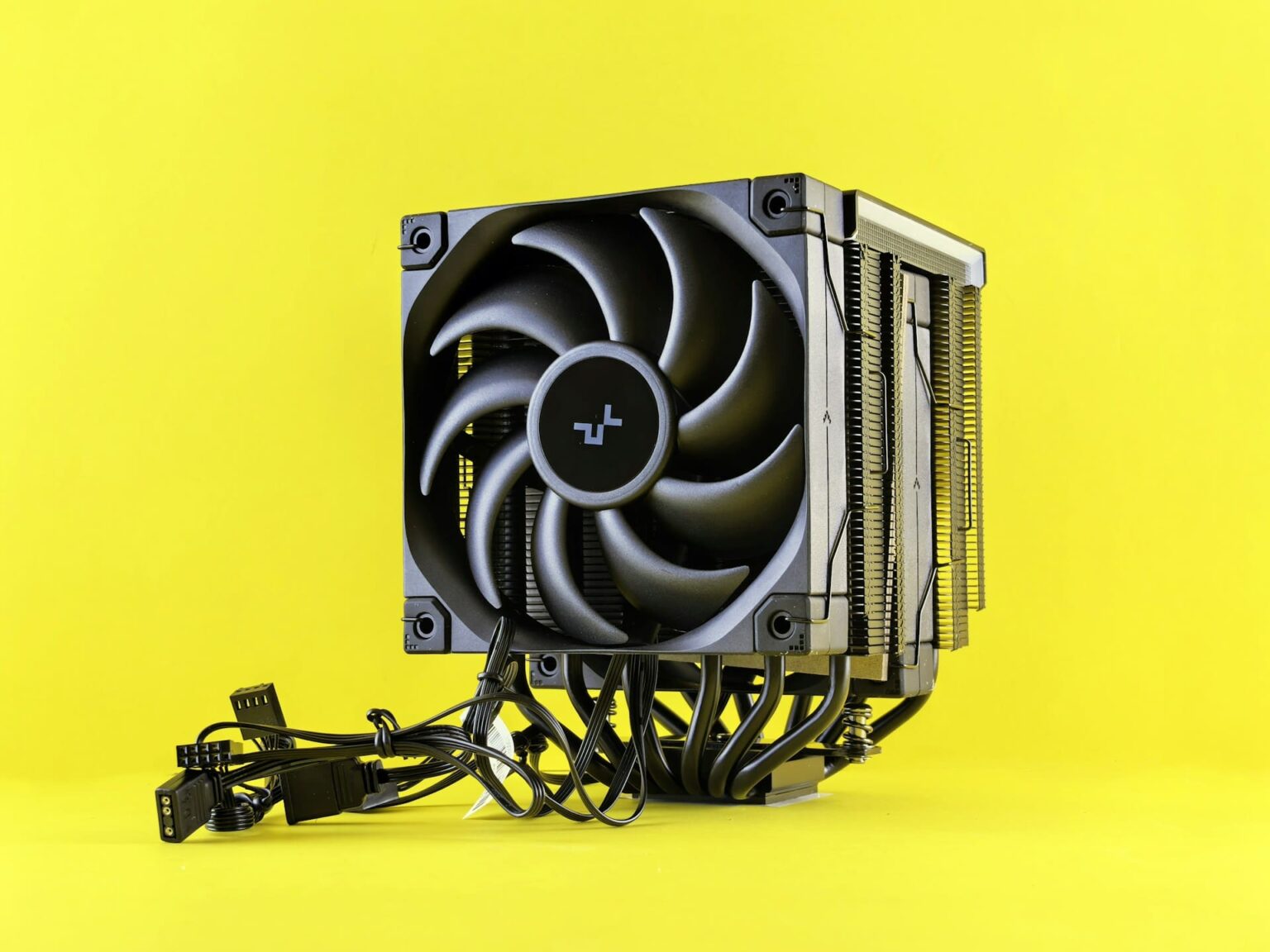
An internal message circulating through distribution channels in China has sparked alarm in the hardware community: power supplies (PSUs) and CPU coolers/”coolers” could be the next PC components to become more expensive, with estimated increases of between 6% and 10% for PSUs, and between 6% and 8% for cooling systems.
The key, according to the communication, is not a passing trend or a market “caprice,” but something much more prosaic: rising raw material costs. The text explicitly mentions metals such as copper, silver, and tin, three ingredients present in much of the electronic ecosystem: from solders and connectors to windings, cables, traces, and passive components.
What the letter says (and what it doesn’t)
The warning—attributed to Guangzhou Xinhongzheng Electronic Technology Co., Ltd.—states that starting January 6, their suppliers would no longer accept new orders at previous prices, and that new orders would be calculated with updated prices. In this context, the document estimates:
- PSUs: cost increases from 6% to 10%.
- Heat sinks/cooling: cost increases from 6% to 8%.
Additionally, it encourages “reserving” orders during January, with supply dependent on inventory and shipping priorities. It also adds a particularly sensitive point for consumers: from February 1, promotional policies would be canceled, and when returning to what is defined as “regular price,” more than 90% of the catalog could experience a further adjustment within similar ranges.
However, it’s wise to step back a bit. No independent public confirmation exists that this company is linked to major well-known brands, nor that the warning represents a coordinated industry movement. In other words: it’s a channel pressure signal, not proof of widespread price increases.
Why copper, silver, and tin matter in your PC
Unlike other components where prices are dominated by manufacturing nodes and wafer capacity, in power supplies and cooling there’s a significant part driven by materials and manufacturing.
- Copper: plays a key role in transformers, coils, wiring, connectors, and internal traces. When prices rise, the impact is especially noticeable in products with more “metal content”: higher-power supplies, thicker cables, more robust designs, or those with better thermal margins.
- Tin: is essential for soldering. While its weight per unit isn’t huge, the production chain uses it constantly, and its volatility translates into industrial costs.
- Silver: appears in some contacts and specific applications (not always in large quantities), but in a context of widespread metal price increases, it often acts as a “cost thermometer.”
At the same time, raw material markets do not move smoothly. Copper has experienced volatility spikes over time, silver has shown recent rebounds, and tin has a history of supply-demand tension in industrial markets. This doesn’t mean your PSU price will skyrocket tomorrow, but it explains why a distributor might start talking about “recalculating” orders.
From factory cost to retail price: the cascade effect
Even if cost increases are real, they don’t always translate 1:1 into final prices. The intermediate steps include:
- OEM / manufacturer (producer).
- Brand (labels, certification, warranties, channels).
- Distributors (margins, logistics, stock).
- Retail (promotions, competition, inventory turnover).
If there’s old stock in the channel, consumers might not notice any change for weeks. But once that inventory runs out and new shipments with adjusted prices arrive, the change starts to appear “without announcement,” especially in high-turnover segments.
What users can do without panicking
The risk here isn’t just paying a bit more — it’s buying badly out of haste.
- If you’re building a PC soon (1–2 months): it’s sensible to monitor prices and, if you find a quality PSU at a good price, not to delay too long.
- If there’s no urgency: it’s reasonable to wait for confirmation; many channel rumors tend to deflate as the market adjusts inventory or demand shifts.
- Prioritize quality over “cheap watts”: a mediocre power supply becomes costly if it fails. For cooling, a reliable, quiet heatsink is better than impulsively buying out of fear.
- Beware of false bargains: when prices rise, there are often liquidations of older products or questionable units on marketplaces.
An uncomfortable reminder: the fragility of “cheap” hardware
For years, consumers got used to certain components “always” being affordable. But the modern PC ecosystem is in a perfect storm: increased demand for AI and gaming, logistical sensitivities, dependence on metals, and faster product cycles. In such a context, it’s not impossible for distributors to raise prices on PSUs and coolers. What matters is how widespread it is and whether major players confirm it.
For now, it’s prudent to treat this as what it is: a warning sign.
Frequently Asked Questions
Which types of power supplies might increase the most?
If the main driver is raw materials and logistics, higher wattage units with sturdier cabling or designs with more “mass” of components tend to be more sensitive. Still, the actual impact depends on brands and stock levels.
Will AIO liquid coolers also see price increases?
They might be affected, but not necessarily to the same extent as air coolers: an AIO includes a pump, radiator, fans, and more components. Price largely depends on manufacturer and availability.
Does it make sense to buy a PSU “just in case”?
Only if you plan to use it soon and know your needs. Buying out of fear often results in overspec’ed or low-quality units.
How can I tell if a price increase is real or just a rumor?
The clear sign is if multiple stores and distributors start showing consistent increases in equivalent models, and if media or brands report verified information.
