
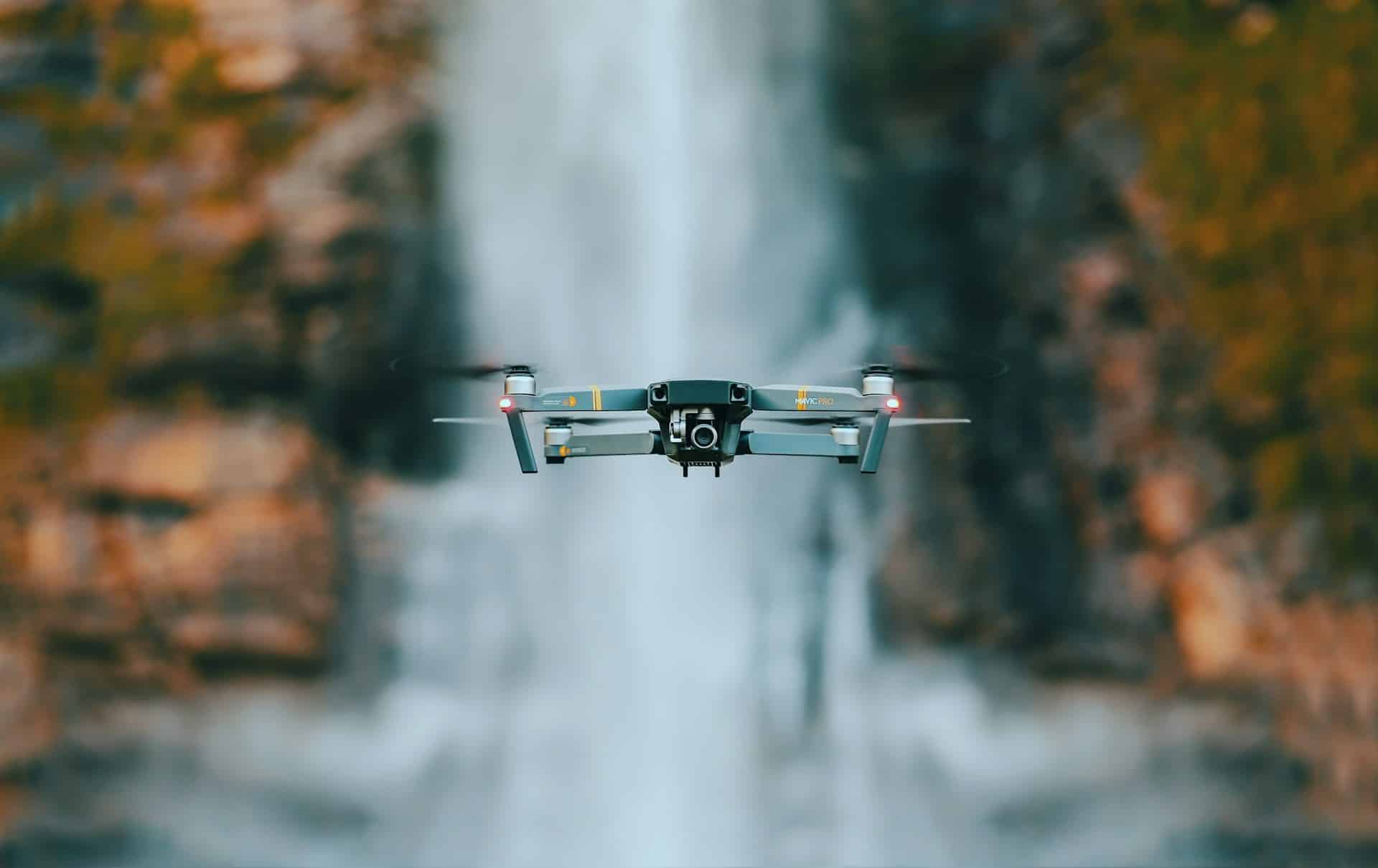
DJI, the Chinese manufacturer that dominates the global consumer drone market, is facing its most critical date in the United States. If nothing changes, December 23, 2025 could become the turning point when the company may see sales of new products in the country blocked.
This isn’t a sudden move but the culmination of years of regulatory pressure and national security suspicions by U.S. authorities.
From market leader… to recurring suspect
DJI has become synonymous with consumer drones: present in film and TV shoots, concerts, music videos, documentaries, industrial inspections, precision agriculture, or simply in the leisure of thousands of enthusiasts. Its formula — good camera quality, stable flight, mature software, and relatively competitive prices — has given it a dominant position over much smaller rivals.
This success, combined with its Chinese origin, has also placed it on Washington’s radar for years. Federal agencies have gradually restricted DJI drones in certain government and defense environments, citing potential risks of accessing sensitive data, although the company has repeatedly denied collaborating with the Chinese government.
What has changed now: NDAA + FCC
The latest development involves two key pieces: the National Defense Authorization Act (NDAA) for Fiscal Year 2025 and a recent change in the rules of the Federal Communications Commission (FCC).
- Risk assessment deadline: The NDAA requires that a U.S. national security agency completes a risk assessment of DJI drones before December 23, 2025. If this assessment is not completed on time, the law stipulates that DJI — and at least one other Chinese drone manufacturer — will automatically be placed on the FCC’s “Covered List”, a registry of devices considered a security risk.
- Implications of being on the Covered List: Being on that list is not symbolic; it means that the FCC cannot authorize new devices from that manufacturer for sale in the country, and with the new rules, it can also remove existing products from the market if deemed necessary. In practice, for DJI, this translates to: without a favorable safety report before the deadline, they would be unable to sell new drones or remote controllers in the U.S. and could see current models’ sales limited through distributors and stores.
What will happen to DJI drones already in the U.S.?
For now, nothing changes for those who already own a DJI drone at home or at their business. Owners can continue flying their equipment under FAA regulations.
However, the situation raises several medium-term uncertainties:
- Firmware and software updates: if the company’s commercial activities are restricted in the country, they may prioritize other markets or be limited in connectivity and services they can offer.
- Availability of spare parts and technical support: items like batteries, propellers, sensors, or boards could become harder or more expensive to obtain through official channels.
- Future compatibility: additional regulatory changes could impact functions like Remote ID, geofencing, or integration with third-party apps.
DJI has stated that it is willing to undergo a transparent audit and that no formal review process has yet begun, adding more uncertainty to the regulatory timeline.
A blow to the drone industry in the U.S.
If the ban materializes, the impact will not only affect DJI but also the entire ecosystem built around its drones:
- Media production companies and content creators, many of whom standardized equipment, batteries, and workflows around DJI.
- Inspection, surveying, and agriculture firms that rely on these drones for their cost-effectiveness.
- Local law enforcement and civil protection agencies that have adopted commercial drones for search and rescue, fire surveillance, or emergency management tasks in the U.S.
There are U.S. and European alternatives — like Skydio and other specialized manufacturers — but they often don’t match the same price range or catalog breadth, especially in the advanced consumer and prosumer segments.
Geopolitics, technology, and a very open future
The DJI case fits into a broader trend: the U.S. aims to reduce its technological dependence on Chinese suppliers in strategic sectors, from telecommunications to cloud computing, now including drones.
The FCC’s new authority to retrospectively ban radio frequency devices isn’t limited to drones; it could also apply to security cameras, network equipment, or other connected devices deemed a threat to national security.
By late 2025, several scenarios could unfold:
- That a security agency completes the assessment on time and issues a ruling allowing DJI to continue operating (possibly with conditions).
- That the assessment is either not completed or yields a negative result, placing DJI directly on the Covered List, blocking new sales.
- That political changes in the White House or Congress reopen debates on implementing such bans on foreign tech companies.
For now, the clock is ticking against the Chinese manufacturer and in favor of those advocating a tough stance on Chinese technology.
What should users and professionals do?
For U.S. users considering buying a DJI drone, the scenario suggests caution:
- Purchasing now could secure the desired model before possible restrictions take effect, but it also comes with the risk of increased uncertainty regarding support and spare parts in the future.
- Waiting might clarify the regulatory picture but could also raise the cost or reduce the available options.
Outside the U.S., the situation will be closely watched: how DJI and the FCC handle this will set a precedent for how other connected hardware manufacturers are treated amid rising concerns over security, technological sovereignty, and geopolitics — even with drones that, at first glance, seem like mere flying cameras or toys.
