
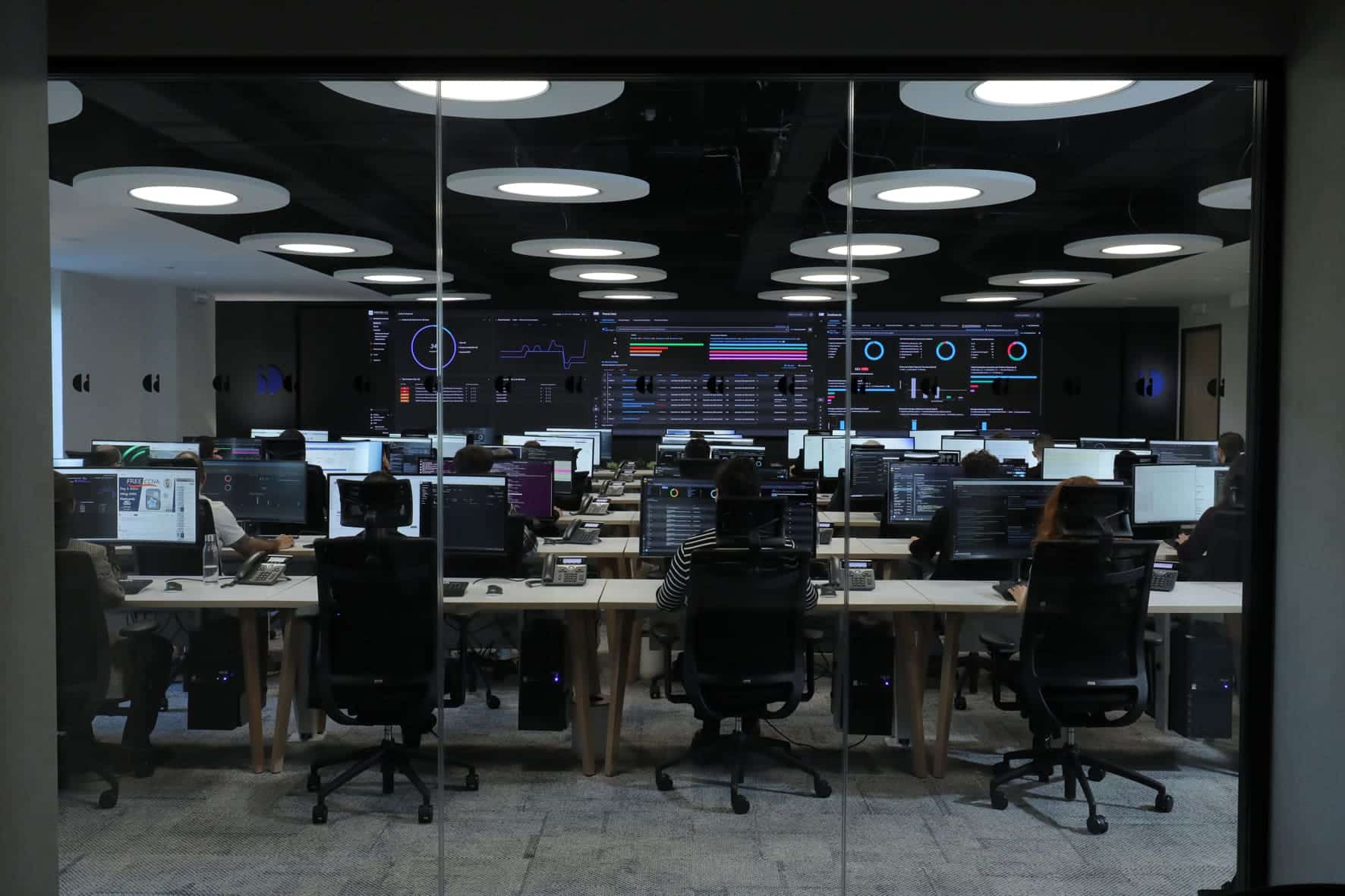
Trend Micro, a global cybersecurity company, announced the launch of its new Agentic SIEM with AI technology, a solution aimed at transforming how security operations teams (SecOps) manage and respond to threats. This platform addresses issues like alert overload and traditional limitations of SIEM systems.
The new Trend Vision One Agentic SIEM was built from the ground up with autonomous AI that can think, learn, and act independently, allowing security teams to focus more on strategic tasks while the AI filters, prioritizes, and correlates critical information.
As cybersecurity becomes increasingly driven by AI, the security data layer must evolve to support agentic capabilities. Dave Gruber, senior cybersecurity analyst at ESG, emphasized, “As cybersecurity becomes more AI-driven, security data must also advance to support agentic features. Trend Micro’s offering arrives at a pivotal moment, providing speed, performance, and context-aware intelligence based on risk, enabling faster threat mitigation.”
A reinvention of traditional SIEM
While SIEM solutions have been on the market for decades, they often face recurring issues such as high costs, complexity, alert fatigue, and underutilized data storage. Most rely on manual configurations and static parsers that can’t keep up with modern data sources’ speed and diversity.
Trend Micro’s SIEM aims to break these limitations:
- Supports over 900 data sources since its launch on August 1, expanding visibility and threat detection.
- Enables onboarding of new log types within three days, with a goal to reduce this to three hours by 2026.
- Integrates Trend Micro’s XDR capabilities, including six native sensors (endpoint, cloud, email, network, servers, and identity) and support for third-party telemetry.
- Offers up to seven years of archived data retention and two years of analytical storage to enhance detection, threat hunting, and compliance.
Rachel Jin, Trend Micro’s Corporate Platform Director, stated, “This release is a key step toward our goal of fully AI-driven security operations. We want teams to focus on strategic initiatives, knowing our agentic AI acts as their safety net.”
Use cases and opportunities
The Agentic SIEM is designed to enhance security and efficiency across various scenarios:
- Threat detection and response: Replaces manual oversight with autonomous analysis, anomaly detection, and automated responses.
- Regulatory compliance: Combines extended retention with search capabilities in historical logs for audits and regulatory requirements.
- Incident investigation: Automatically correlates data from multiple sources, reducing errors and accelerating conclusions.
A notable innovation is the potential to combine this technology with Trend Micro’s digital twin capabilities, enabling proactive risk mitigation in virtual models. This opens pathways for critical applications such as protecting healthcare infrastructure, supply chain security, predictive maintenance, and intelligent building management.
Advancing the vision of autonomous SecOps
With over 7,000 employees across 70 countries, Trend Micro has long positioned itself as a leader in defending against advanced threats. Its investment in an AI agentic SIEM reinforces its strategy to deliver unified security platforms across multicloud environments—including AWS, Microsoft, and Google—with centralized visibility and faster response times.
Frequently Asked Questions (FAQ)
What is an AI agentic SIEM?
It’s an evolved SIEM that incorporates autonomous AI capable of prioritizing alerts, correlating events, and executing responses without human intervention.How does SIEM differ from XDR?
SIEM centralizes and analyzes data from multiple sources for threat detection, while XDR extends detection and response capabilities across a broader set of sensors and security layers.Why is integrating digital twins important?
It allows simulation of critical environments and assets to anticipate risks and apply preventive measures before real incidents occur.Which sectors benefit most?
Healthcare, manufacturing, logistics, government, and any organization managing sensitive data or critical infrastructure.
Source: Trend Micro Newsroom
